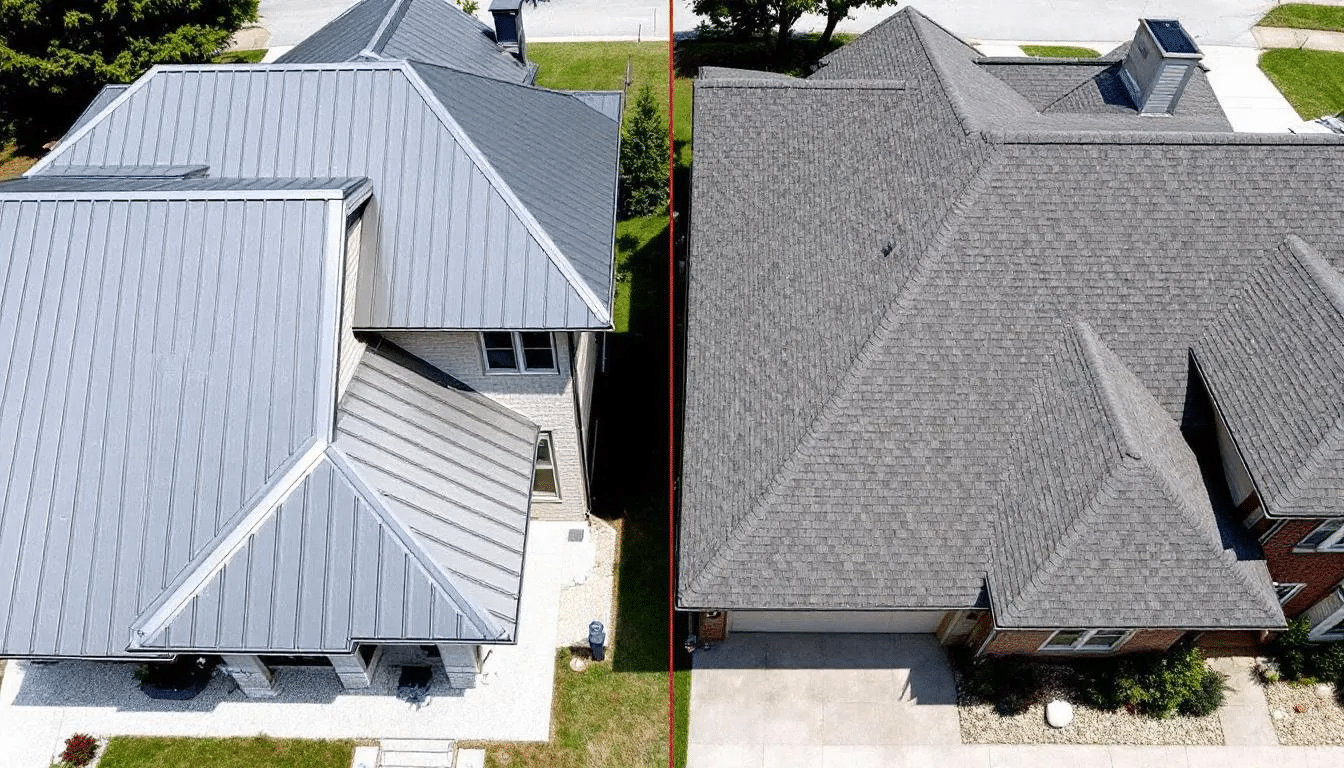
Choosing the right roof is a critical first step when you ask, what roof is best for solar panels. A roof that can support panels structurally, resist weather, and complement your home’s aesthetics will maximize performance and lifespan. This guide breaks down the top roof options, explains their pros and cons, and offers actionable tips to help you decide.
Whether you’re building a new home, retrofitting a rental, or planning a large commercial installation, understanding how roof type impacts solar efficiency is essential. In the sections below, we’ll cover material science, installation logistics, cost factors, and real‑world data to answer every question you have about the best roof for solar panels.
Solar‑Ready Roofs: Asphalt Shingle, Metal, and Slate
The three most common roof materials for solar installations are asphalt shingles, metal panels, and slate. Each has unique characteristics that influence panel mounting, durability, and energy output.
Asphalt Shingles
Asphalt is the most widely used roofing material in North America, representing over 70% of new roofs. Its lightweight nature and low cost make it a popular choice for solar projects.
Advantages:
- Easy to install and readily available at most hardware stores.
- Compatible with many mounting systems, including ballast and racking.
- Can be replaced or repaired without removing panels.
Disadvantages:
- Shorter lifespan (20–30 years) than other options.
- Susceptible to wind uplift and thermal expansion.
- Requires periodic maintenance to avoid leaks.
Metal Roofs
Metal roofs, made from steel, aluminum, or copper, have seen a surge in popularity due to their longevity and thermal performance.
Key points:
- Lasts 40–70 years, often outlasting the panels.
- Reflects heat, reducing roof temperature and improving panel efficiency.
- Can be fastened with fixed or flexible mounts.
Potential drawbacks include:
- Higher upfront cost compared to shingles.
- May require professional installation to ensure proper sealing.
Slate Roofs
Slate is a premium, natural stone material known for its durability and aesthetic appeal. It’s less common but ideal for historic or luxury homes.
Benefits:
- Lifespan of 80+ years.
- Resistant to fire, wind, and extreme temperatures.
- Low maintenance after installation.
Challenges:
- Heavy weight demands a strong structural frame.
- Higher installation cost and specialized labor.
Weight Capacity and Structural Integrity for Solar Success
When deciding what roof is best for solar panels, you must consider the roof’s load-bearing capacity. Solar arrays add weight, and improper support can lead to structural damage.
Calculating Load Limits
Most residential roofs are designed to support 2,000–3,000 pounds per square foot (psf). Solar panels typically weigh 2–3 psf when combined with mounting hardware.
Tips:
- Inspect the roof’s framing for signs of sagging or damage.
- Use a licensed engineer to perform a load analysis if the roof is older.
- Opt for lightweight mounting systems to reduce strain.
Wind and Snow Considerations
In regions with high wind or snow loads, the roof must maintain its integrity under additional force.
Suggestions:
- Metal roofs offer superior wind resistance due to their aerodynamic shape.
- Asphalt shingles require proper fastening and ventilation to avoid snow accumulation.
- Slate remains strong but may crack under extreme pressure.
Cost Analysis: Installation, Maintenance, and ROI
Financial considerations are often the deciding factor in choosing the right roof for solar panels. Below is a concise comparison of upfront costs, maintenance, and return on investment (ROI).
| Roof Type | Initial Cost (per sq ft) | Maintenance | Estimated ROI (years) |
|---|---|---|---|
| Asphalt Shingle | $3–$6 | Low | 7–10 |
| Metal | $6–$10 | Moderate | 5–8 |
| Slate | $12–$20 | Low to none | 10–15 |
These numbers vary by region, contractor, and panel type. Always get multiple quotes and factor in tax credits or rebates offered by local utilities.
Installation Tips for Long‑Lasting Solar Systems
Even the best roof can lose performance if installed poorly. Follow these pro tips to ensure durability and efficiency.
- Use self‑leveling mounts to maintain optimal panel tilt.
- Secure all fasteners with corrosion‑resistant hardware.
- Leave adequate spacing between panels for ventilation.
- Check local building codes for mounting height and setback requirements.
- Schedule a post‑installation inspection after the first snow season.
Frequently Asked Questions about what roof is best for solar panels
Can I install solar panels on an existing roof?
Yes, most roofs qualify if they’re in good condition. However, older roofs may need repairs before panel installation.
Will solar panels damage a roof?
When installed correctly with proper mounting and sealing, panels should not damage the roof. Damages typically arise from poor installation practices.
Do I need to replace my roof before installing solar panels?
Only if the roof is nearing the end of its life or has significant leaks. Panels can be installed on roofs that last another 10–15 years.
Are metal roofs cheaper than asphalt for solar?
Metal roofs have higher initial costs but often offer better long‑term value due to durability and lower maintenance.
Will roof color affect solar panel performance?
Roof color can influence temperature. Light-colored roofs reflect heat, potentially improving panel efficiency slightly.
Can I add solar panels to a roof with skylights?
Yes, but you’ll need custom mounting solutions to avoid obstructing natural light and to maintain structural integrity.
Do warranties cover damage from solar installation?
Most reputable installers provide warranties that cover both the panels and mounting system. Check the terms carefully.
Is there a preferred solar panel orientation for different roof types?
North-facing roofs benefit from south‑tilted panels. Mounting angle should match local latitude for optimal performance.
What is the impact of roof slope on panel efficiency?
Steeper slopes can reduce wind load on panels, but the tilt angle of the panels should still follow solar path calculations.
How do I know if my roof can handle the weight?
Consult a structural engineer or use an online roof load calculator to verify capacity.
Conclusion
When you ask, what roof is best for solar panels, the answer hinges on a balance of cost, durability, and structural suitability. Asphalt shingles offer affordability, metal roofs provide longevity, and slate delivers premium aesthetics for specialized projects. By evaluating your roof’s condition, load capacity, and local climate, you can choose the material that maximizes both energy output and return on investment.
Ready to start your solar journey? Contact a certified installer today to assess your roof and get a customized quote. Your future self will thank you for making the right choice.

