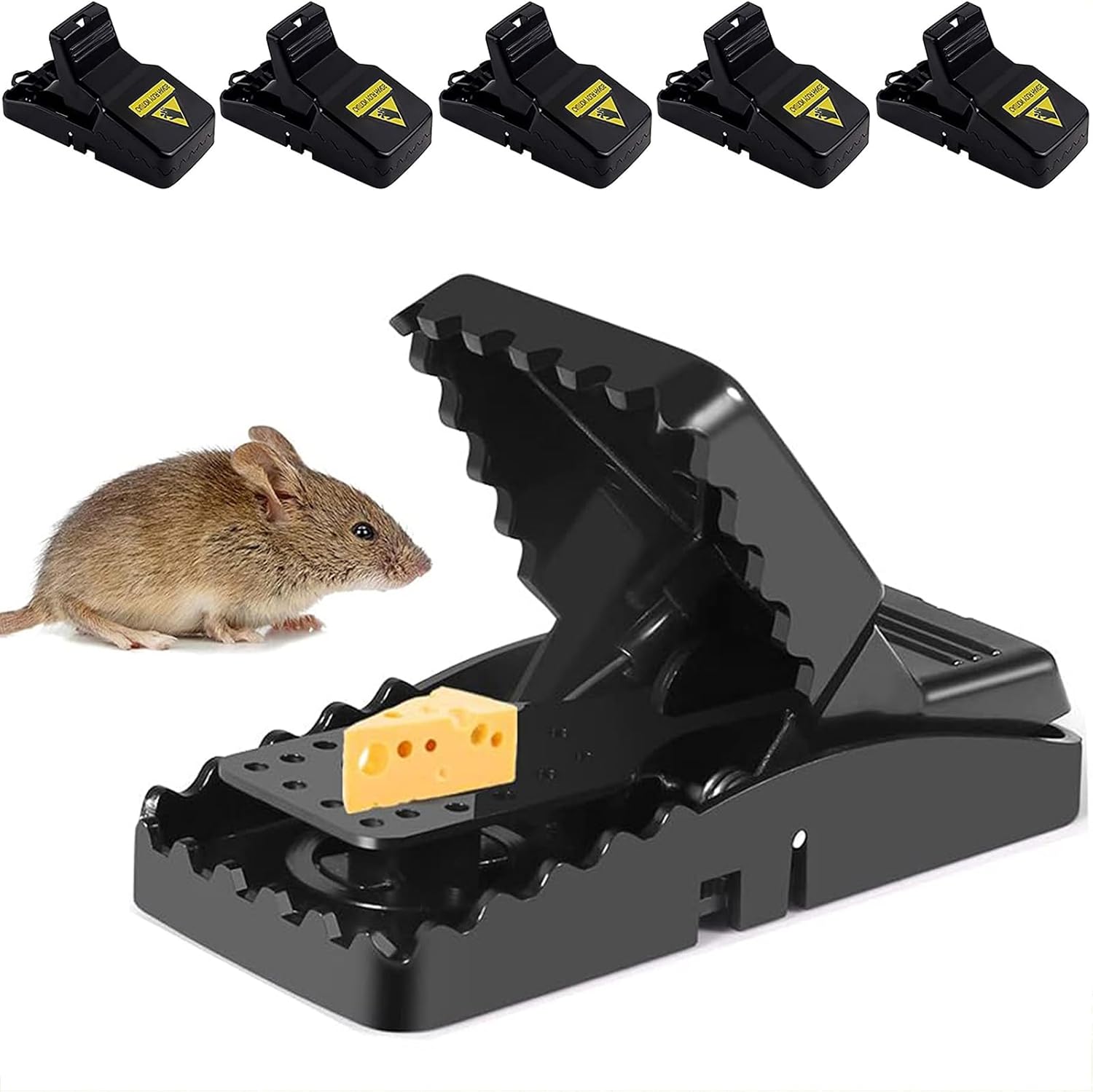
Finding the right lure for a mouse trap can feel like a guessing game. Every homeowner wants a quick, efficient solution to a rodent problem, but not all baits are created equal. The question many ask is, what is the best bait for mouse traps? Knowing the answer can save time, money, and frustration.
In this guide, we’ll explore the most effective bait options, explain why they work, and give you step‑by‑step instructions for setting traps that actually catch mice. By the end, you’ll be armed with practical knowledge to outsmart these pests with confidence.
Why the Right Bait Matters When Using Mouse Traps
Understanding Mouse Feeding Preferences
Mice are opportunistic feeders, but they show strong preferences for high‑calorie foods. Sweet, fatty, or protein‑rich items tend to attract them more than plain grains or seeds. This preference drives the success rate of traps.
Common Mistakes That Reduce Trap Effectiveness
Many people use generic food items that smell weak or quickly spoil. Strong aromas fade before a mouse even notices the trap. Poor bait placement can also cause mice to avoid the trap altogether.
Impact on Trap Success Rates
Studies show that traps baited with high‑attraction foods have a success rate up to 70% higher than those left bait‑free. Choosing the best bait is therefore a critical step in pest control.
Top Bait Choices for Mouse Traps
Peanut Butter – The Classic Go‑To
Peanut butter is a staple because it’s sticky, smells strong, and is high in fats and proteins. Mice find it irresistible and are less likely to chew the trap prematurely.
Use a small dab on a cotton ball or directly on the trigger. It stays in place and doesn’t attract flies.
Chocolate – Sweet and Savory
Dark chocolate has a potent aroma that can lure mice from a distance. The fat content keeps the bait fresh longer than milk chocolate.
Place a small piece near the trigger but avoid excess that could waste bait.
Fresh Fruit – Apples and Bananas
Fresh fruit offers a sweet scent and high moisture content. Mice are drawn to the sugars and often stay on the trap long enough to trigger it.
Use small wedges or a few slices; avoid overly ripe or moldy fruit.
Oatmeal – The Chewy Alternative
Oatmeal provides a chewy texture that mice love. It also has a subtle scent that can attract them without being too overpowering.
Place a thin layer on the trap’s trigger or mix with other baits for variety.
Dry Cereal – Flavorful and Convenient
Dry cereal, especially those with added sugar or flavoring, can be an effective bait. The crunch appeals to mice, and the packaging is easy to handle.
Use a few small pieces, and check regularly to refresh the scent.
Fish Oil – The Smelly Powerhouse
Fish oil has a strong, oily smell that can reach mice through walls or ceilings. It’s best used in small quantities on a cotton ball.
Be cautious with pets that might also be attracted to the scent.
Seed Mixes – Natural and Diverse
A blend of sunflower seeds, pumpkin seeds, and nuts can attract mice due to the variety of textures and flavors.
Use a small handful; the diversity keeps mice interested longer.
How to Set Your Mouse Trap for Maximum Bait Effectiveness
Choosing the Right Trap Type
Snap traps are the most common and work well with sticky baits. Live traps can also be baited similarly but require careful monitoring to release mice safely.
Strategic Placement of Bait on the Trigger
Apply a small amount of bait directly on the trigger arm. This ensures the mouse touches the trigger while sniffing the scent.
Do not overload; too much bait can obscure the trigger or create a false trigger.
Securing the Bait to Keep It Fresh
Wrap peanut butter in a small piece of foil or use a bait holder. For fruit, cover the slice with a light paper towel to reduce moisture loss.
Timing Your Trap Checks
Check traps early in the morning or late at night when mice are most active. Replace bait each day to maintain potency.
Comparison Table: Bait Types vs. Effectiveness
| Bait | Attraction Level | Longevity | Best Use |
|---|---|---|---|
| Peanut Butter | High | Long | Snap traps |
| Chocolate | Very High | Medium | Snap traps, live traps |
| Fresh Fruit | Medium | Short | Snap traps |
| Oatmeal | Medium | Long | Snap traps, live traps |
| Dry Cereal | Low | Medium | Snap traps |
| Fish Oil | Very High | Short | Live traps |
| Seed Mix | Medium | Long | Live traps |
Pro Tips for Using Baits Effectively
- Mix Baits: Combine peanut butter with a small piece of chocolate to boost scent.
- Use Cotton Balls: Apply oily baits like fish oil on cotton for better adhesion.
- Rotate Locations: Move traps every few days to follow mouse paths.
- Keep Traps Clean: Wipe away leftover bait to avoid attracting unwanted pests.
- Test Small Bites: Start with small portions to gauge mouse response before scaling up.
Frequently Asked Questions about what is the best bait for mouse traps
What is the best bait for a snap mouse trap?
Peanut butter is often the most effective due to its sticky texture and strong aroma.
Can I use cheese as bait for mice?
Cheese can work, but it loses scent quickly. Use it sparingly or combine with other baits.
Is chocolate safe for pets near mouse traps?
Only use small amounts of dark chocolate and keep traps out of reach of pets.
How often should I replace the bait?
Replace bait daily or whenever it looks stale or dry.
Are there mouse traps that don’t need bait?
Live traps can be set without bait but typically perform better when baited.
Can mice learn to avoid traps with bait?
Mice are adaptive; rotating bait types helps prevent avoidance.
What’s the best bait for live traps?
Combining peanut butter with a sweet fruit piece usually yields good results.
Is fish oil an effective bait for mouse traps?
Fish oil has a strong scent that attracts mice, but it’s best for live traps due to its volatility.
How do I prevent other pests from getting attracted to my bait?
Use a bait holder or small containers to contain the lure away from general access.
Can I use peanut butter in a glue trap?
Yes, but use a thin layer to avoid creating a sticky mess that deters mice.
Conclusion
Choosing the right bait can transform a mediocre mouse trap into a highly effective pest control tool. Peanut butter remains a reliable favorite, but combining it with chocolate, fruit, or oil can increase your success rate. Remember to refresh bait regularly, place traps strategically, and switch bait types to keep mice curious.
Now that you know the best bait options and how to use them, you’re ready to tackle mouse infestations head‑on. Start with a few traps, use the baits above, and watch your space become mouse‑free in no time.

