
Living in a multi‑story apartment has many perks, but noise can quickly turn a peaceful home into a chaotic space. Whether it’s the neighbor’s late‑night music, traffic outside, or the hum of a building’s HVAC system, unwanted sound can disrupt sleep, work, and relaxation. If you’re looking for effective ways to block or absorb noise, you’re in the right place. We’ll explore the best solutions for soundproofing multi‑story apartments and give you practical steps you can implement today.
Understanding the Science of Sound in Apartments
How Sound Travels Between Floors
Sound travels through air, solids, and fluids. In apartment buildings, vibrations often pass through floor joists, walls, and shared ceilings. Even small gaps or weak joints can let significant noise bleed through.
Key Terminology: Decibels, Transmission Loss, and Noise Reduction Coefficient
Decibels (dB) measure loudness. Transmission Loss (TL) indicates how much sound a wall or floor stops. The Noise Reduction Coefficient (NRC) tells you how well a material absorbs sound. Knowing these terms helps you choose the right products.
Why Multi‑Story Apartments Need Extra Sound Management
In a multi‑story building, noise can travel both vertically and horizontally. Floor-to-floor vibrations are common, while shared walls can transmit low‑frequency sounds. Proper soundproofing addresses both pathways.
Interior Solutions That Quiet Your Living Space
Acoustic Panels and Wallpaper
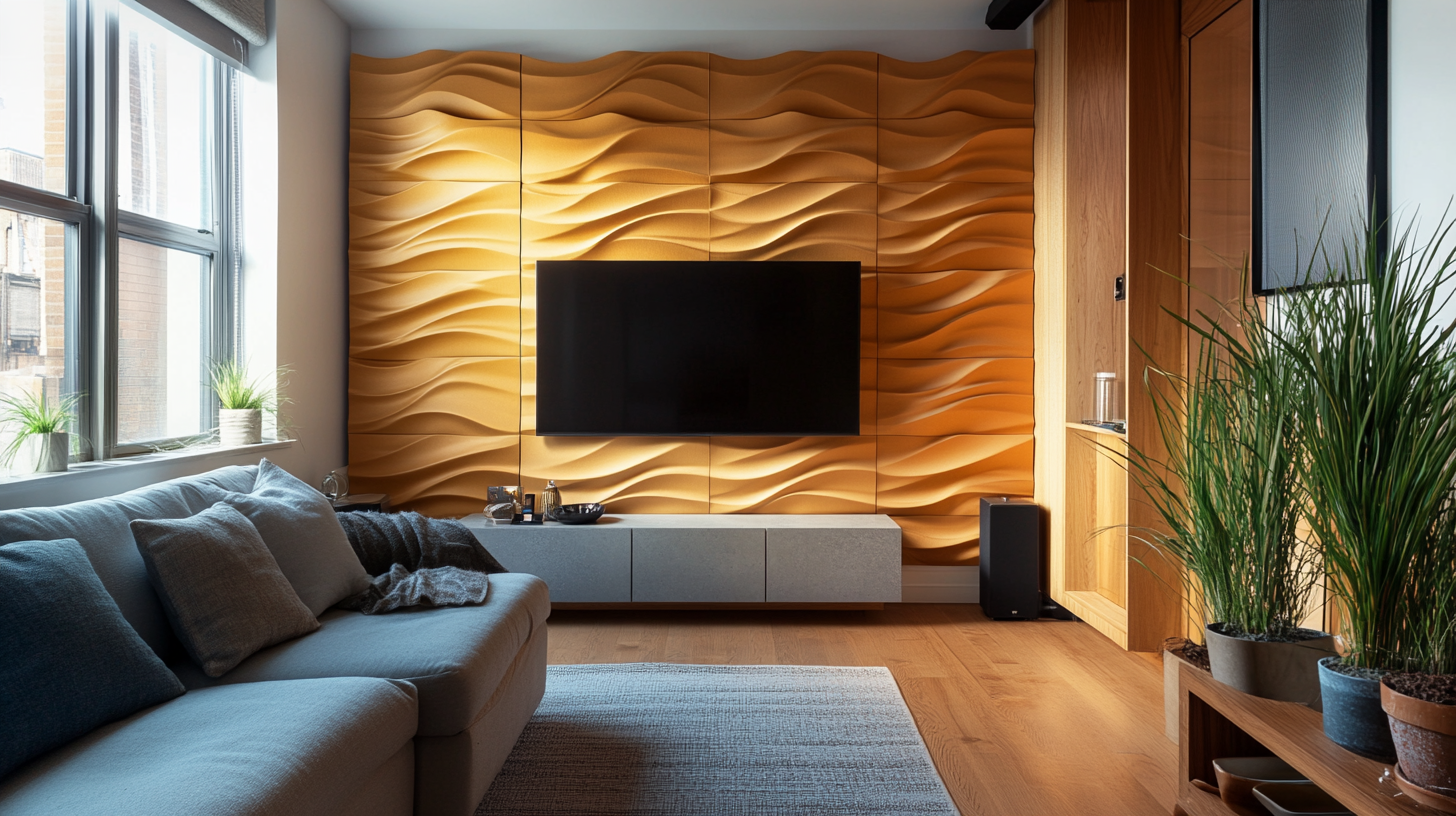
Decorative acoustic panels look like art while reducing echo by up to 30 dB. They’re easy to install on walls or ceilings.
Mass‑Loaded Vinyl (MLV) & Sound Barriers
MLV is a high‑density sheet that blocks sound. When applied to walls or ceilings, it can cut noise by 20–25 dB. Pair it with resilient channels for maximum effect.
Sound‑Proof Curtains and Door Seals
Heavy, dense curtains add 10–15 dB of noise reduction. Adding door sweeps and weatherstripping seals gaps, preventing sound from leaking around edges.
Structural Modifications to Halt Noise Transfer
Resilient Channels and Decoupling Techniques
Installing resilient channels between drywall and studs creates a buffer that reduces vibration transfer. This is especially effective for floor-to-floor noise.
Adding a Layer of Drywall (Green Glue)
Green Glue is a viscoelastic damping compound. Placing it between two drywall layers significantly increases sound isolation, often achieving 20 dB extra TL.
Replacing Single‑Glazing with Double‑Glazing
Double‑glazed windows feature two panes of glass separated by a sealed air gap, reducing external noise by 10–15 dB. Consider a low‑E coating for added thermal efficiency.
Installing Floor Underlayment and Carpeting
Soft flooring materials such as cork or foam underlayment, combined with thick carpet, absorb impact noise and airborne sounds, cutting overall noise levels.
Outdoor Noise Control: The First Line of Defense
Sound‑Proofing Windows with Acoustic Glazing
Acoustic glass has a higher glass-to-glass interface resistance, cutting noise by up to 20 dB compared to standard windows.
External Barriers and Landscaping
Planting dense shrubs or installing a sound wall outside can reflect or absorb traffic noise before it reaches your windows.
Noise‑Reducing Roof Vent Covers
Vents can let in wind noise. Using insulated vent covers or acoustic duct liners helps keep wind and mechanical noise at bay.
Comparison Table: Soundproofing Options vs. Cost vs. Effectiveness
| Solution | Estimated Cost (per sq. ft.) | Noise Reduction (dB) | Installation Difficulty |
|---|---|---|---|
| Acoustic Panels | $2–$6 | 15–30 | Easy |
| Mass‑Loaded Vinyl | $4–$8 | 20–25 | Medium |
| Double‑Glazing | $15–$30 | 10–15 | Hard |
| Resilient Channels + Green Glue | $5–$10 | 20–25 | Medium |
| Sound‑Proof Curtains | $1–$3 | 10–15 | Easy |
Pro Tips for Maximizing Soundproofing Efficiency
- Start with the walls: add a layer of drywall with Green Glue before attaching acoustic panels.
- Seal all gaps: use acoustical caulk around windows, doors, and electrical outlets.
- Choose layered solutions: combine MLV with resilient channels for superior isolation.
- Upgrade your windows: double‑glazing is essential for traffic noise.
- Use heavy curtains at night to block street traffic.
- Keep your floors soft: install cork underlayment and rugs to dampen footstep noise.
- Regularly inspect and maintain seals; wear and tear can compromise soundproofing.
- Consider a professional assessment: an acoustical consultant can tailor a plan to your building’s structure.
Frequently Asked Questions about what are the best solutions for soundproofing multi‑story apartments
What is the most cost‑effective way to soundproof a shared wall?
Adding an extra layer of drywall with Green Glue is a budget‑friendly option, offering a 20 dB increase in sound isolation.
Can I soundproof my apartment without professional help?
Yes, many DIY methods like acoustic panels, curtains, and weatherstripping are simple to install and require no specialist.
Do acoustic panels change the room’s aesthetics?
Modern panels come in a variety of colors and patterns, allowing them to blend seamlessly with your décor.
Will double‑glazed windows hurt my heating bill?
Double glazing actually improves insulation, often reducing heating costs by 5–10%.
How long does soundproofing last?
Materials like drywall, MLV, and double glazing last decades if properly installed and maintained.
Is soundproofing effective against low‑frequency traffic noise?
Yes, mass‑loaded vinyl and resilient channels are particularly good at blocking low‑frequency vibrations.
Can I use foam panels for soundproofing?
Foam panels are great for echo reduction, but they are less effective at blocking airborne noise compared to MLV or drywall.
Do I need to soundproof both floors and walls?
For maximum quiet, address both vertical and horizontal noise paths by treating floors and walls.
What maintenance is required for soundproofing materials?
Occasionally check for gaps, replace worn weatherstripping, and ensure panels are dust‑free for optimal performance.
Are there any building codes related to soundproofing?
Some local regulations may require specific noise control measures in multi‑family dwellings; always check local ordinances.
Soundproofing a multi‑story apartment doesn’t have to be a costly or daunting project. By understanding how noise travels, selecting the right materials, and layering solutions, you can create a quieter, more comfortable living environment. Start with the most accessible options—like curtains and acoustic panels—and then consider structural upgrades for lasting impact.
Ready to reclaim your space from unwanted noise? Explore our recommended products, consult a professional if needed, and begin your sound‑proofing journey today.

