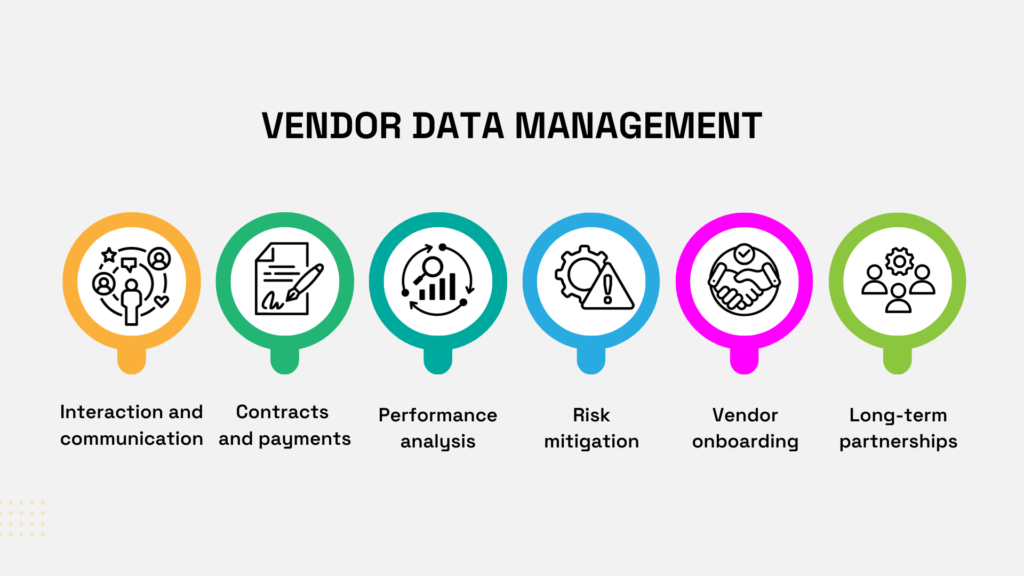
In today’s data‑driven marketplace, the accuracy of vendor information can make or break supply chain efficiency. Companies that master vendor master data management best practices enjoy lower costs, fewer errors, and stronger supplier relationships. If you’re looking to transform raw vendor data into a competitive asset, you’re in the right place.
This guide dives deep into vendor master data management best practices, offering actionable tactics, real‑world examples, and proven metrics. By the end, you’ll have a clear playbook to elevate your vendor data processes and drive tangible business value.
Understanding the Value of Vendor Master Data
The Business Case for Accurate Vendor Records
Vendor master data is the foundation of procurement, logistics, and finance systems. Accurate records reduce duplicate payments, avoid compliance fines, and enable strategic sourcing insights.
Studies show that companies with clean vendor data see a 15% drop in invoice processing time and a 10% reduction in spend variance.
Common Pain Points in Vendor Data Management
Duplicate records, inconsistent naming conventions, and outdated contact info are the top three pain points that erode data quality.
These issues lead to costly manual reconciliations and missed opportunities for bulk discounts.
Key Metrics to Track Vendor Data Health
Track data accuracy, completeness, and timeliness. Aim for at least 95% accuracy and 90% completeness across all vendor records.
Use a data quality scorecard to monitor improvements over time.
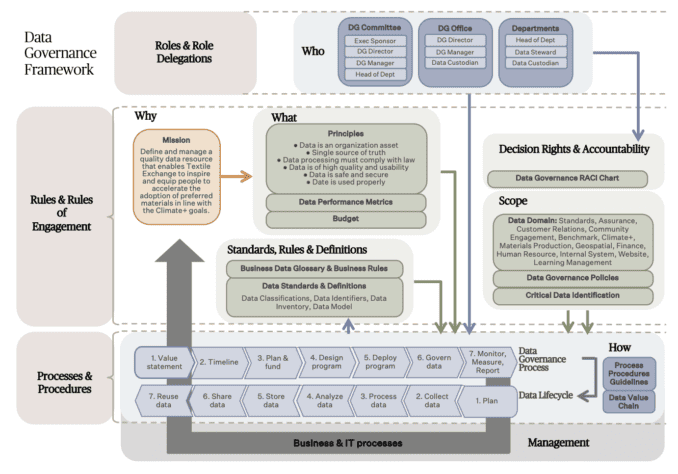
Establishing a Robust Vendor Data Governance Framework
Define Roles and Responsibilities
Assign a vendor data steward for each major business unit. This person owns data quality and enforces standards.
Governance committees should meet quarterly to review metrics and adjust policies.
Create Standardized Data Definitions
Develop a single source of truth for key fields: vendor name, tax ID, primary contact, and payment terms.
Use controlled vocabularies and lookup tables to enforce consistency.
Implement Data Governance Policies
Policies should cover data entry, approval workflows, and change management.
Automate policy enforcement where possible to reduce human error.
Automating Data Capture and Validation
Leverage Electronic Data Interchange (EDI) for Onboarding
EDI eliminates manual data entry by exchanging standardized XML or EDIFACT files during vendor onboarding.
Ensure that your EDI solution maps to your master data schema to avoid data drift.
Deploy AI‑Powered Data Enrichment Tools
AI can validate addresses, enrich vendor profiles with industry classification, and flag duplicate records in real time.
Integrate enrichment tools into your ERP or procurement platform for seamless updates.
Automated Validation Rules and Alerts
Set up rules for required fields, format checks, and business logic. Trigger alerts when violations occur.
Use a rule engine to avoid manual triage and speed resolution.
Ensuring Data Accuracy Through Continuous Cleansing
Scheduled Data Quality Audits
Run monthly or quarterly audits to identify stale records and accuracy gaps.
Use data profiling tools to surface anomalies like duplicate tax IDs or mismatched currency codes.
Data Matching and De‑Duplication Techniques
Employ fuzzy matching and probabilistic deduplication to uncover hidden duplicates.
Resolve duplicates by consolidating information into a single master record.
Vendor Self‑Service Portals
Allow vendors to update their own information through a secure portal.
Validate changes against internal rules before merging into the master data set.
Integrating Vendor Master Data Across Enterprise Systems
Single Source of Truth for Finance, Procurement, and Supply Chain
Synchronize vendor records across ERP, procurement, and logistics to eliminate data silos.
Use middleware or API integrations to keep all systems updated in real time.
Master Data Management (MDM) Platforms
MDM solutions centralize data governance, enrichment, and distribution.
Choose an MDM that supports multi‑domain integration and scalable architecture.
Audit Trails and Change History
Maintain a full audit trail for every change to vendor data.
Use audit logs to trace errors back to their source during investigations.
Vendor Data Analytics and Strategic Insights
Spend Analysis Powered by Accurate Vendor Data
Clean vendor records enable reliable spend aggregation by vendor, category, or geography.
Use insights to negotiate better terms or consolidate suppliers.
Compliance and Risk Management
Track regulatory requirements such as sanctions lists and tax compliance.
Automate alerts when a vendor appears on a restricted list.
Supplier Performance Dashboards
Build dashboards that pull from vendor master data to monitor on-time delivery, quality, and cost.
Link performance metrics back to master records for actionable decisions.
Vendor Data Quality Comparison Table
| Practice | Benefit | Implementation Time |
|---|---|---|
| Standardized Data Definitions | Reduces duplicates by 30% | 1 month |
| AI‑Powered Enrichment | Improves accuracy to 97% | 2–3 months |
| Automated Validation Rules | Cuts manual checks by 60% | 2 weeks |
| Vendor Self‑Service Portals | Decreases data entry errors by 40% | 4 months |
| MDM Integration | Creates single source of truth | 6–12 months |
Pro Tips for Vendor Master Data Management Success
- Start Small, Scale Fast: Pilot data quality projects with a few key vendors before a full rollout.
- Enforce Change Management: Treat any update to vendor data as a change request, not a casual edit.
- Automate Alerts: Configure real‑time alerts for duplicate or missing critical fields.
- Train Your Team: Provide short, role‑specific training modules on data standards.
- Use Data Quality Dashboards: Visualize metrics like completeness, duplication, and timeliness daily.
- Review Quarterly: Hold governance reviews every quarter to adjust policies and celebrate wins.
- Leverage Vendor Self‑Service: Enable vendors to claim and correct their own records securely.
Frequently Asked Questions about vendor master data management best practices
What is vendor master data management?
It is the process of creating, maintaining, and governing a single, accurate source of truth for all vendor-related information across an organization.
Why is vendor data accuracy important?
Accurate data reduces duplicate payments, improves compliance, and unlocks analytics that drive cost savings.
How often should vendor data be audited?
Monthly or quarterly audits are recommended to catch stale or incorrect records early.
Can AI help with vendor data enrichment?
Yes, AI can validate addresses, assign industry codes, and detect duplicates automatically.
What role does a data steward play?
A data steward owns the quality of vendor data, enforces policies, and resolves data disputes.
Is a separate MDM system necessary?
Not always; strong governance and integration can keep data clean, but an MDM provides a centralized platform for scaling.
What are common data quality metrics?
Accuracy, completeness, timeliness, uniqueness, and consistency are key metrics to track.
How can vendors update their own information?
Through a secure self‑service portal that validates changes before merging into the master record.
Vendor master data management best practices are more than a compliance checkbox—they are a strategic lever for operational efficiency and supplier partnership success. By adopting the steps outlined above, you transform raw vendor information into a reliable, actionable asset.
Ready to elevate your vendor data quality? Begin by mapping your current data landscape, then prioritize the practices that align with your business goals. Reach out today for a personalized vendor data assessment and take the first step toward data excellence.

