
In the world of business, marketing, and product development, we often hear the phrase “good, better, best.” It’s a simple concept, yet it carries powerful implications for how we design experiences, build strategies, and ultimately win customers. Understanding how to differentiate these levels can transform a routine project into a standout success.
In this article, we’ll unpack the meaning behind each tier, show you how to apply the framework to real‑world scenarios, and give you a toolkit for making data‑driven decisions. By the end, you’ll be able to confidently assess whether something is merely good, genuinely better, or truly best‑in‑class.
What “Good, Better, Best” Really Means in Business Contexts
Defining the Three Levels
The term “good, better, best” originates from product positioning. A *good* option satisfies basic needs. A *better* option adds value through incremental improvements. A *best* option delivers exceptional performance, often because it combines superior quality, innovation, and customer experience.
Why the Framework Matters
Customers face countless choices. A clear hierarchy helps them navigate options and justifies premium pricing. For companies, it signals where to allocate resources—whether to optimize an existing feature or invest in breakthrough innovation.
Examples Across Industries
- Tech gadgets: A basic model with essential features (good), a mid‑tier with faster processors (better), and a flagship with the latest AI and design (best).
- Restaurants: Standard menu items (good), seasonal specials (better), chef‑curated tasting menus (best).
- Automobiles: Economy models (good), luxury trims (better), performance editions (best).
How to Evaluate Products Using the Good Better Best Matrix
Step 1 – Identify Core Customer Needs
Start by mapping customer pain points. What problem does the product solve? Use surveys, interviews, and support tickets to gather data. This baseline helps you determine what constitutes “good.”
Step 2 – Benchmark Against Competitors
Compile a feature list and score each competitor. A simple table can reveal gaps. If most rivals offer feature X, that feature becomes part of the minimum good standard.
Step 3 – Add Incremental Value for Better
Ask: What small improvements elevate the product? Think of usability tweaks, faster load times, or enhanced support. Use A/B testing to validate that these enhancements increase satisfaction by at least 10‑15%.
Step 4 – Innovate for Best
Here, you aim for breakthrough. This could involve integrating emerging technologies, creating a unique ecosystem, or delivering a brand experience that turns users into advocates. Measure success through Net Promoter Scores (NPS) above 70.
Case Study: Applying Good Better Best to an E‑Commerce Platform
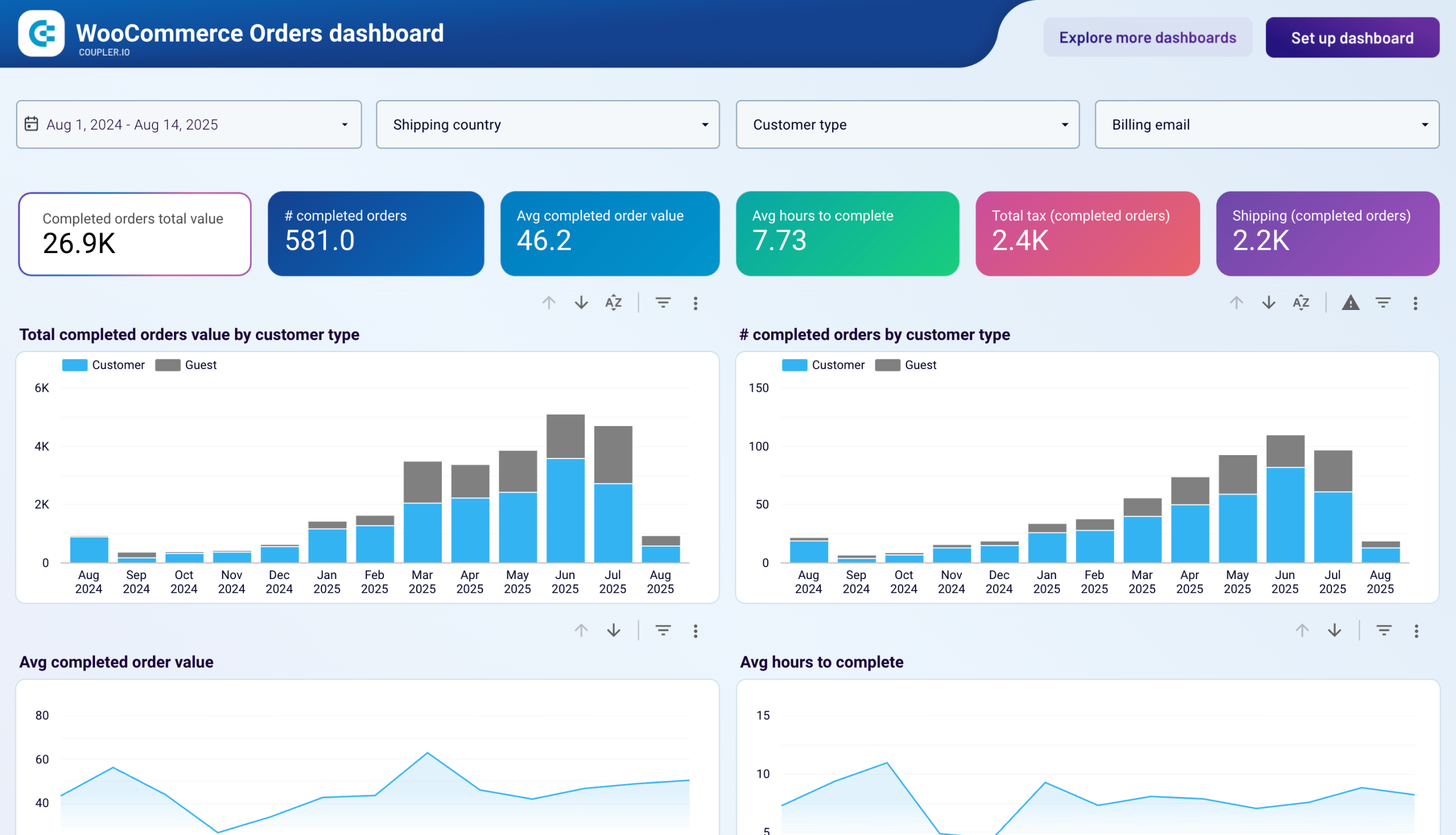
Baseline (Good): Core Shopping Experience
Users can browse, add items to cart, and checkout. The site loads in under 3 seconds. Customer support operates 9‑5.
Mid‑Tier (Better): Personalization and Mobile Optimization
Product recommendations appear on the homepage. The mobile app offers wish lists and push notifications. Response time drops to 2 seconds. NPS climbs from 45 to 55.
Premium (Best): Seamless Omnichannel Journey
Users can order online and pick up in-store. Live chat support with AI triage handles 80% of queries. Loyalty rewards integrate across channels. Conversion rate jumps to 15%.
Comparison Table: Good vs. Better vs. Best Features
| Feature | Good | Better | Best |
|---|---|---|---|
| Website Speed | ≤3 s | ≤2 s + lazy loading | ≤1 s + CDNs + edge computing |
| Personalization | None | Basic product recs | AI‑driven dynamic content |
| Customer Support | Phone 9‑5 | Live chat + email | 24/7 AI + human escalation |
| Return Policy | 30‑day return | 45‑day return + prepaid label | Unlimited returns + store credit |
Pro Tips for Implementing the Good Better Best Strategy
- Start with data. Use analytics to define what customers truly need.
- Keep it customer‑centric. Every tier should add perceived value.
- Iterate quickly. Deploy MVPs for the better tier and gather feedback.
- Measure ROI. Track metrics like LTV, CAC, and NPS for each tier.
- Communicate clear positioning. Use concise taglines that differentiate each level.
- Educate your sales team. They need to explain the value ladder effectively.
- Plan for scalability. Ensure infrastructure can handle upgrades from good to best.
- Use storytelling. Share real user success stories for the best tier.
Frequently Asked Questions about good better and best
What is the origin of the “good, better, best” framework?
It dates back to the 1980s, popularized by marketing researchers who mapped product positioning strategies. It’s now a staple in branding and product development.
Can small businesses use this framework?
Absolutely. Even a single product line can be segmented into good, better, and best tiers based on features and pricing.
How do I avoid confusing customers with too many tiers?
Keep the number of tiers to three or fewer. Use clear, distinct benefits for each level so customers can easily compare.
Is the best tier always the most expensive?
Not necessarily. Best often reflects superior value, which can mean higher price or a more competitive bundle offering.
What metrics should I track for each tier?
Conversion rate, average order value, churn rate, NPS, and customer acquisition cost are key indicators.
How quickly should I roll out the better tier?
Aim for a 3‑month sprint if resources allow. Quick wins keep momentum and show customers progress.
Can the good tier coexist with the best tier in the same product line?
Yes, but ensure they target different market segments to avoid cannibalization.
What if my product doesn’t have enough features for a best tier?
Focus on premium customer experience—service, reliability, and support can elevate a product to best status.
Do I need a separate marketing campaign for each tier?
A unified brand message with tier‑specific messaging works best. Highlight unique selling points per level.
Is the good better best approach still relevant in the digital age?
Definitely. With personalization and rapid innovation, customers expect clear differentiation across offerings.
By mastering the good, better, best framework you can align your product strategy with customer expectations and drive sustainable growth. Put these steps into practice, and watch how your brand evolves from simply competitive to truly exceptional.

