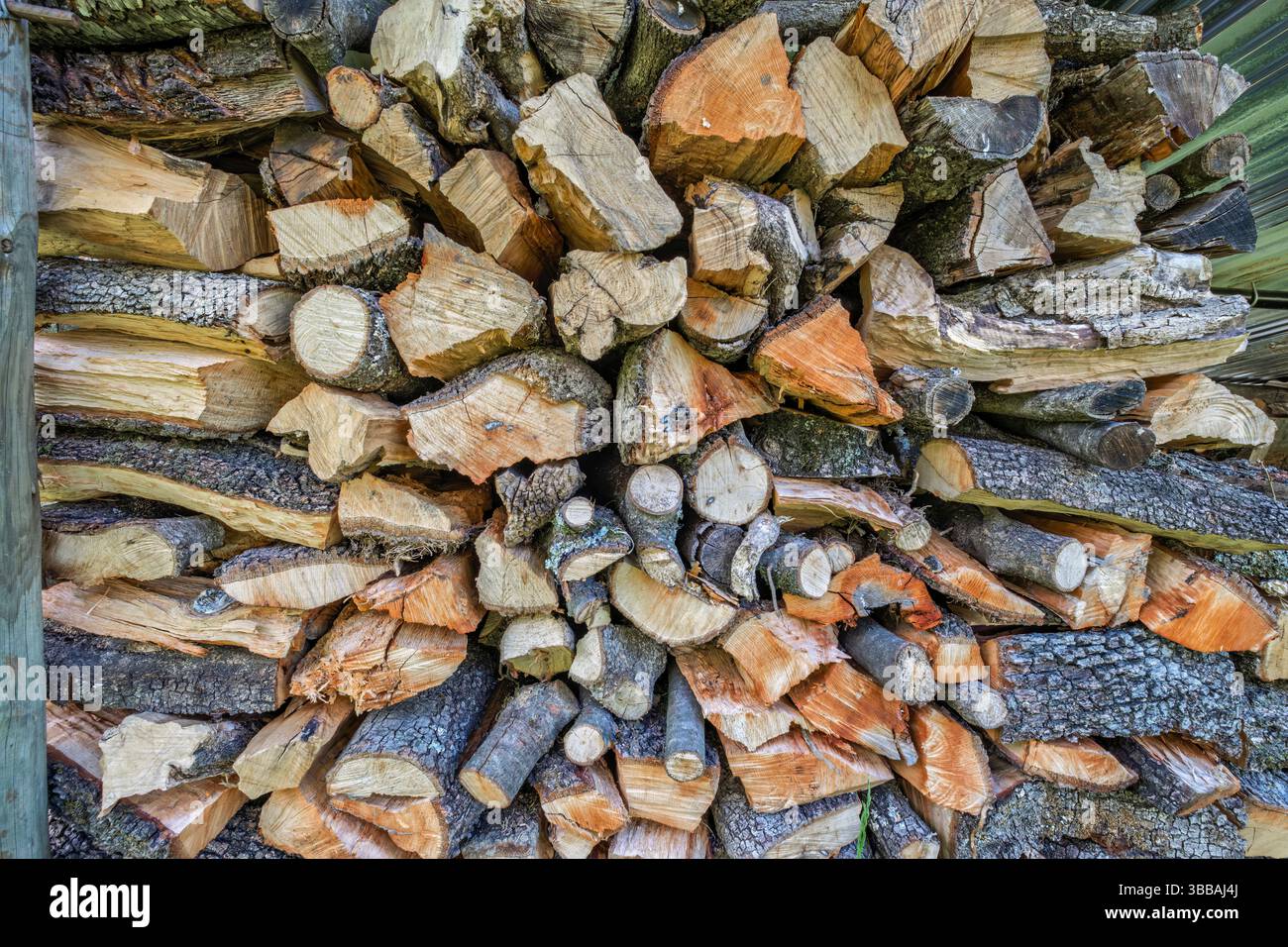
There’s nothing quite like the crackle of a fire to bring warmth and comfort into a home. But the quality of that fire depends heavily on the wood you choose. If you’re looking for the best wood for wood burning, the decision can feel overwhelming.
From dense hardwoods that give long, steady flames to fragrant softwoods that add aroma, each type has its perks and pitfalls.
In this guide, we’ll cut through the noise and present the top wood options, explain how to store and season them, and give you practical tips to maximize every log’s value.
Whether you’re fueling a modern pellet stove, a classic fireplace, or a backyard campfire, the right wood can make the difference between a warm, efficient burn and a wasteful, smoky ordeal. Let’s dive in.
Hardwoods That Deliver Long, Clean Burns
Hardwoods are the gold standard for wood burning. Their density and high energy content produce hotter, longer flames and less smoke than softwoods. Below are the top hardwoods you should consider for your fireplace or stove.
Oak – The Classic Stoker
Oak is the most popular choice for many homeowners. Its high lignin content creates a slow, steady burn that lasts 6–10 hours per log.
Because oak hardwood is abundant, it’s often affordable and easy to find. Oak also produces minimal creosote buildup, keeping your chimney cleaner.
Maple – Sweet and Efficient
Maple burns slightly hotter than oak, with a pleasant, mild scent. It’s an excellent option for those who want a high heat output without too much smoke. Maple logs are also relatively lightweight, making them easy to stack.
Birch – Fast and Aromatic
Birch ignites quickly and releases a sweet, nutty aroma. It’s great for starting a fire, then switching to slower-burning hardwoods for sustained heat. Birch’s lower density means it fires faster but doesn’t last as long.
Cherry – Warmth with a Kick
Cherry wood offers a bright, steady flame and a warm, fruity fragrance. It burns cleanly and is especially good for logs that need to be smaller or more manageable.
Softwoods That Spark Up Quickly
Softwoods, such as pine and spruce, are often used as kindling or for quick heat bursts. Though they burn faster, they’re valuable for starting fires and adding a quick flare.
Pine – The Rapid Starter
Pine is rich in resin, which makes it perfect for kindling. Its high resin content gives a bright, fast flame, but it also produces more smoke and creosote if burned in large amounts.
Spruce – Light and Fluffy
Spruce is lightweight and easily split. Its low density allows it to ignite quickly, making it great for a quick heat boost. Like pine, it can create more smoke, so use it sparingly.
Fir – The Aromatic Choice
Fir has a pleasant, mild smell and burns relatively cleanly compared to other softwoods. While it produces less heat than hardwoods, it can be layered with other woods for a balanced burn.
Seasoning and Storage: Making Your Wood Last
Even the best wood can backfire if not properly seasoned or stored. Seasoning is the process of drying wood to reduce moisture content, typically to 20% or less. Proper storage keeps wood dry and ready for use.
Seasoning Techniques
Store wood on a raised platform or pallet to allow airflow beneath the logs. Rotate the stack every few weeks to ensure even drying. In humid climates, consider a partially covered shed to protect wood from rain.
Storage Ideas
- Use a covered firewood rack or a simple wooden pallet.
- Store in a dry, well-ventilated area.
- Avoid stacking wood directly on the ground.
- Cover the top of the stack with a tarp but leave sides open for air.
Comparison Table: Wood Types, Energy, Burn Time, and Smoke
| Wood Type | Energy (kWh per m³) | Average Burn Time per Log | Smoke Production |
|---|---|---|---|
| Oak | 5.8 | 6–10 hrs | Low |
| Maple | 6.0 | 5–8 hrs | Low |
| Birch | 4.5 | 3–5 hrs | Moderate |
| Pine | 3.5 | 1–2 hrs | High |
| Spruce | 3.8 | 1–2 hrs | High |
Pro Tips for Maximizing Your Wood Burning Experience
- Use a Wood Stacker or Rake: Organize logs by size and type for efficient airflow.
- Keep a Clean Chimney: Inspect and clean your chimney at least once a year to reduce creosote buildup.
- Layer Your Fire: Start with dry kindling, then add medium-sized logs, finishing with larger hardwoods.
- Monitor Moisture: Test wood with a moisture meter; aim for 20% or lower.
- Ventilate Your Space: Ensure good air circulation to maintain a healthy flame.
- Use a Firestarter: Natural fire starters like cedar bark or commercial products help ignite logs faster.
- Store Properly: Keep logs off the ground and protected from rain.
- Check Local Regulations: Some areas limit open fires; always check local fire codes.
Frequently Asked Questions about best wood for wood burning
What is the difference between hardwood and softwood for fires?
Hardwood burns slower, hotter, and cleaner, producing less smoke. Softwood ignites quickly but lasts shorter and emits more smoke.
How long does it take for firewood to season?
Seasoning time varies with climate; in temperate zones, 6–12 months is typical. In warm, dry climates, 4–6 months may suffice.
Can I mix hardwoods and softwoods in the same fire?
Yes, but start with softwoods to ignite, then add hardwoods for sustained heat.
What’s the best way to split firewood?
Use a strong axe or a saw with a straight blade. Split along the grain for easier splitting.
Do I need a chimney to use wood in my fireplace?
Yes, a chimney is essential for venting smoke and preventing backdrafts.
Is there a risk of chimney fire with certain woods?
Softwoods with high resin content can produce creosote, raising fire risk if not cleaned regularly.
What’s the ideal size for firewood in a fireplace?
Standard sizes range from 6–8 inches long and 4–5 inches wide, but adjust based on your stove’s specifications.
Can I use treated lumber for firewood?
No. Treated lumber contains chemicals that release toxic fumes when burned.
How do I know if my wood is dry enough?
Use a moisture meter; readings below 20% indicate proper seasoning.
What kind of firewood should I avoid?
Avoid wet or moldy wood, softwoods with high resin, and treated or painted lumber.
Choosing the right wood can transform your heating experience. By understanding the strengths of hardwoods, the quick-start power of softwoods, and the importance of proper seasoning, you can keep your home warm and the fire bright.
Next time you head to the forest or your local lumber yard, keep these top options in mind and enjoy a clean, efficient burn.

