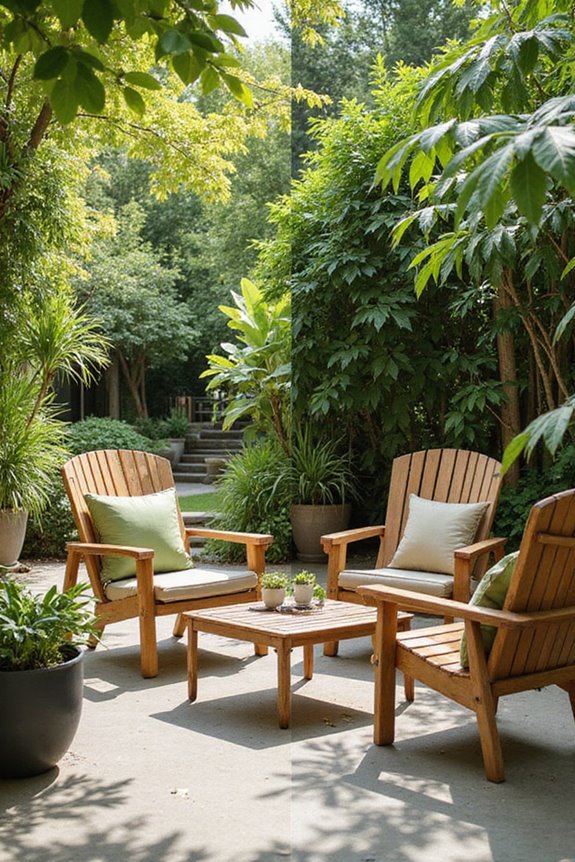
Garden furniture is more than just a place to sit; it’s a statement about style, comfort, and the connection to nature. Choosing the right wood can transform a simple patio into a luxurious outdoor oasis. In this guide, we’ll explore the best wood for garden furniture, discuss their strengths and weaknesses, and help you make an informed decision for your backyard.
Why Wood Is the Go‑To Material for Outdoor Furniture
Wood remains the most popular material for garden furniture because it blends natural beauty with functional resilience. It adapts to seasonal changes, offers a variety of finishes, and can be sustainably sourced. These qualities make wood an enduring favorite for homeowners who value both aesthetics and durability.
Natural Aesthetics and Versatility
Every wood species has a unique grain pattern and tone, allowing designers to create pieces that fit any décor—from rustic ranch to contemporary urban. Wood’s versatility means you can pair it with metal accents or cushions in complementary colors to achieve the look you desire.
Eco‑Friendly and Sustainable Options
Many woods, such as bamboo and reclaimed timber, have low environmental footprints. They grow quickly or come from discarded structures, reducing the demand for new forests. Choosing sustainably sourced wood also aligns with green living values.
Cost‑Effectiveness Over Time
While some exotic woods can be pricey upfront, their longevity often offsets the initial cost. A well-maintained piece of teak or cedar can last decades, offering a better return on investment compared to cheaper, less durable materials that require frequent replacement.
Top 10 Woods for Garden Furniture: Performance, Look & Feel
Below, we rank the best woods for outdoor use based on durability, maintenance, and aesthetic appeal. Each entry includes key attributes, pros, cons, and ideal use cases.
1. Teak – The Classic Outdoor Champion
Teak contains natural oils that repel water, insects, and decay. Its golden hue ages gracefully to a silvery gray, making it a timeless choice.
- Durability: 15–20+ years with minimal upkeep.
- Maintenance: Occasional oiling keeps the color vibrant.
- Best For: High‑traffic patios, poolside areas.
2. Cedar – Warmth and Wind Resistance
Cedar offers a rich reddish tone and excellent resistance to rot when left untreated. Its natural oils also deter pests.
- Durability: 10–15 years with protective finish.
- Maintenance: Regular sealing prevents cracking.
- Best For: Rustic gardens, shaded decks.
3. Redwood – Lightweight and Beautiful
Redwood shares many traits with cedar but is lighter and has a softer grain. It ages beautifully and is naturally insect-resistant.
- Durability: 12–18 years with proper sealing.
- Maintenance: Oil or stain every 2–3 years.
- Best For: Coastal homes, modern outdoor living.
4. Ipe (Brazilian Walnut) – Strength in Every Grain
Ipe is one of the hardest woods available, giving it exceptional resistance to scratching and crushing. Its dark, rich color makes a bold statement.
- Durability: 20–30 years with minimal care.
- Maintenance: Occasional polishing keeps it glossy.
- Best For: Heavy use areas, commercial patios.
5. Pressure‑Treated Pine – Budget‑Friendly Option
Pressure‑treated pine is widely available and affordable. It’s often used in DIY projects for its ease of use.
- Durability: 8–12 years without proper sealing.
- Maintenance: Sealing twice a year prevents splintering.
- Best For: Temporary setups, small budgets.
6. Bamboo – Sustainable, Strong & Light
Bamboo is a fast‑growing grass that can be harvested sustainably. Its high tensile strength makes it ideal for lightweight furniture.
- Durability: 10–15 years with proper sealing.
- Maintenance: Annual sealant or oiling protects against moisture.
- Best For: Eco‑friendly homes, minimalist designs.
7. Walnut – Luxury and Richness
Walnut offers deep, warm tones and a smooth grain. It’s less common in outdoor settings but adds a touch of luxury when treated correctly.
- Durability: 10–12 years with high‑quality sealant.
- Maintenance: Polishing every 6 months keeps the shine.
- Best For: High‑end patio furniture, custom pieces.
8. Mahogany – Classic Elegance
Mahogany is prized for its durability and striking grain. It resists swelling and cracking when kept dry.
- Durability: 15–20 years with proper care.
- Maintenance: Regular oiling prevents drying.
- Best For: Traditional gardens, formal outdoor settings.
9. Purpleheart – Vibrant and Vibrant
Purpleheart has a unique deep purple hue and high hardness. It’s rare but offers distinctive aesthetics.
- Durability: 12–18 years with protective finish.
- Maintenance: Applies oil or wax every few years.
- Best For: Statement furniture pieces, artistic designs.
10. Composite Wood (Wood‑Plastic Blend) – Low Maintenance Alternative
Composite blends combine wood fibers with recycled plastic. It resists warping, staining, and pests.
- Durability: 20–30 years with minimal upkeep.
- Maintenance: Spot cleaning only.
- Best For: Busy families, pets, high‑traffic areas.
Comparing Key Performance Factors
| Wood Type | Durability (Years) | Maintenance Level | Eco‑Impact | Typical Cost ($/sq ft) |
|---|---|---|---|---|
| Teak | 15–20+ | Low (Oiling) | Moderate (Harvested sustainably) | 18–25 |
| Cedar | 10–15 | Medium (Sealing) | High (Fast growth) | 10–15 |
| Redwood | 12–18 | Medium | High (Rapid growth) | 12–18 |
| Ipe | 20–30 | Low (Polishing) | Low (Durable, long life) | 25–35 |
| Pressure‑Treated Pine | 8–12 | High (Regular sealing) | Low (Chemicals used) | 5–8 |
| Bamboo | 10–15 | Medium (Sealing) | Very High (Fastest renewable resource) | 6–10 |
| Walnut | 10–12 | Medium (Oil) | Low (Limited supply) | 20–30 |
| Mahogany | 15–20 | Medium (Oil) | Low (Selective logging) | 18–25 |
| Purpleheart | 12–18 | Medium (Wax) | Low (Rare species) | 22–28 |
| Composite | 20–30 | Very Low (Spot cleaning) | High (Recycled content) | 15–20 |
Expert Pro Tips for Choosing & Caring for Outdoor Wood Furniture
- Inspect for Defects: Before purchase, check for knots, cracks, or flat spots. These can weaken the structure over time.
- Seal Immediately: Apply a high‑quality sealant or oil within 24 hours to lock in moisture.
- Use UV‑Protective Finish: UV rays fade wood. Opt for a finish with UV blockers for longevity.
- Store in a Dry Place: When not in use, keep furniture in a garage or covered patio to prevent prolonged sun exposure.
- Rotate Couch Cushions: For upholstered pieces, flip cushions weekly to avoid uneven fading.
- Repair Early: Address scratches or cracks promptly to prevent water infiltration.
- Apply in Shade: Seal or paint wood when the sun isn’t directly on it to avoid quick drying and cracking.
- Recycle Old Pieces: When furniture reaches end of life, consider donating or repurposing the wood for gifts or garden art.
Frequently Asked Questions about best wood for garden furniture
What is the most durable wood for outdoor furniture?
Ipe and teak are top choices. Ipe’s hardness offers excellent wear resistance, while teak’s natural oils protect against water and insects.
Can I use pine for garden furniture?
Pressure‑treated pine works if you seal it regularly and keep it away from direct sun for long periods.
Is bamboo a good option for hot climates?
Yes, when sealed properly. Bamboo’s high tensile strength keeps it from warping under heat.
How often should teak be oiled?
Generally every 6–12 months, depending on weather exposure and usage.
Do reclaimed woods need extra treatment?
Reclaimed wood often has old finishes. Strip them and apply a fresh sealant to protect against rot.
Is composite wood truly eco‑friendly?
Composite blends use recycled plastic and wood fibers, reducing waste. However, check for recycled content percentages.
What is the best wood for a poolside setting?
Teak and ipe excel due to their water resistance and ability to withstand chlorinated water.
Can I paint outdoor wood furniture?
Yes, but use paint designed for exterior use. Apply at least two coats and finish with a clear sealant.
Do wood pieces require winter protection?
In colder regions, cover them or bring indoors to avoid freeze‑thaw damage.
How do I avoid insect damage in my wood furniture?
Choose naturally insect‑resistant woods like cedar or teak, and use preservative treatments if necessary.
Choosing the right wood for garden furniture can transform your outdoor space into a lasting sanctuary. By understanding the strengths of each species, maintaining your pieces diligently, and opting for sustainable options, you’ll enjoy beautiful, durable furniture for years to come.
Ready to upgrade your patio? Browse local suppliers, compare prices, and start building your dream outdoor living area today. Share your project ideas or ask questions in the comments below – we’d love to hear how you bring the outdoors inside!

