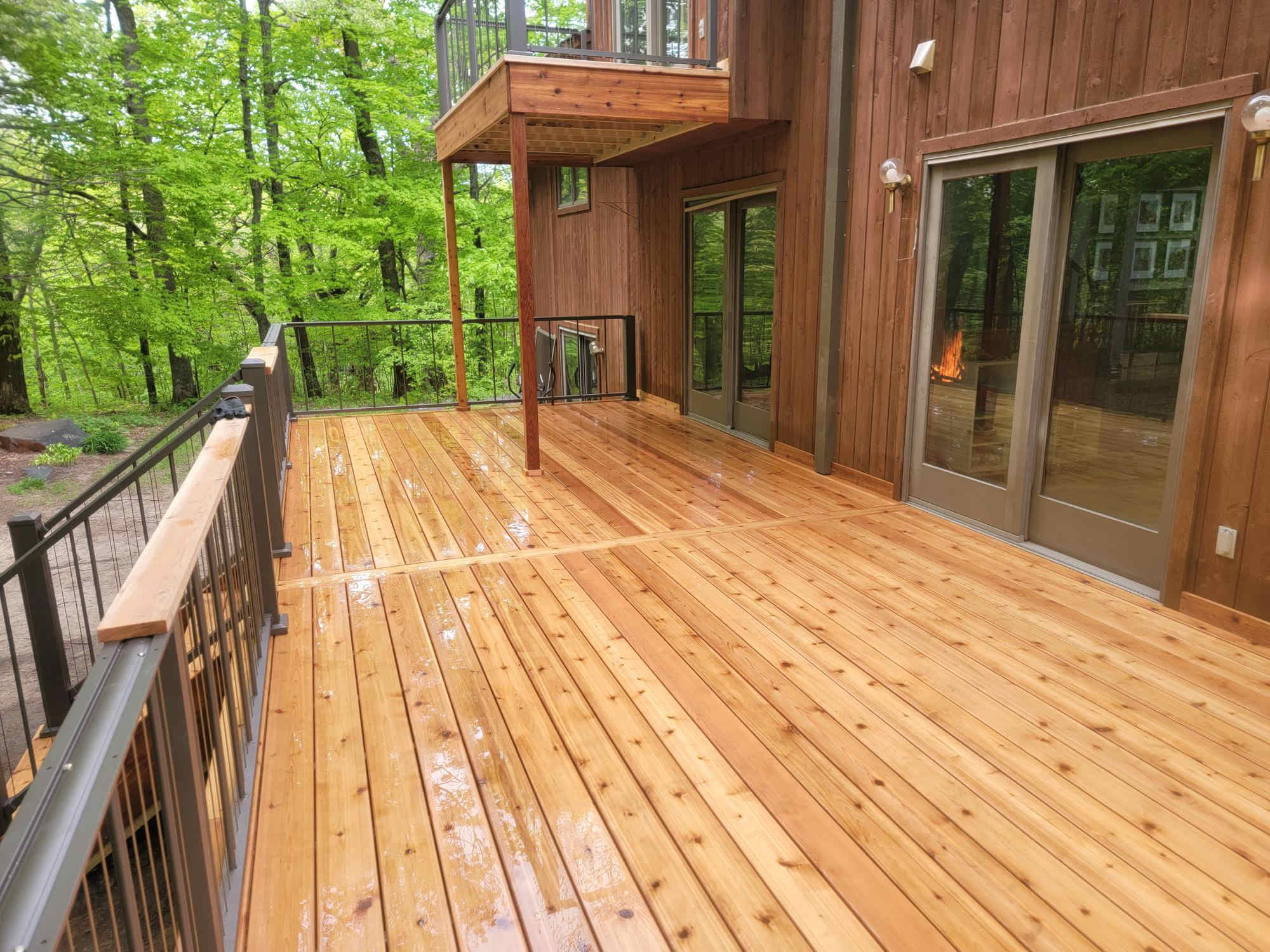
When it comes to building or renovating a deck, the first question on everyone’s mind is: *what is the best wood for decks?* The answer isn’t a one‑size‑fits‑all. It depends on climate, budget, maintenance preference, and the look you want. In this guide, we’ll walk you through the top wood options, compare their strengths, and give you expert tips to make the right choice for your backyard oasis.
We’ll cover everything from tropical hardwoods to engineered composites, plus a handy comparison table that puts each option side by side. By the end, you’ll know which wood will offer the best durability, beauty, and value for your deck project.
Understanding What Makes Wood “Best” for Decking
Weather Resistance
Decks endure sun, rain, snow, and pests. Weather resistance is the first filter when picking the best wood for decks. Look for naturally durable species that resist decay.
Maintenance and Longevity
Some woods require yearly staining; others are low‑maintenance. Consider how much time you’re willing to spend on upkeep versus upfront cost.
Budget and Availability
Prices vary widely. Local availability can also affect shipping costs. Knowing your budget early helps narrow choices.
Eco‑Friendliness
Sustainable sourcing and low VOC finishes can make a big difference if you care about the environment.
Cedar: The Classic Decking Wood
Why Cedar Stands Out
Cedar is prized for its natural oils that repel insects and resist rot. It also keeps a pleasant scent for years.
- Durable in most climates
- Soft texture makes it easy to cut
- Available in red, white, and yellow varieties
Maintenance Tips for Cedar Decks
Seal cedar every 2‑3 years. Use a water‑repellent stain that preserves the grain.
Cost and Availability
Mid‑range price. Widely stocked in hardware stores and online.
Redwood: The Luxury Decking Choice
Natural Beauty and Durability
Redwood has a rich color and a fine grain. Its natural oils give it a long life, especially in humid regions.
- Resists decay for up to 25 years
- Less prone to warping than other softwoods
- Higher initial cost than cedar
Eco‑Friendly Aspects
Redwood is sustainably harvested in many areas, reducing its environmental impact.
Pressure‑Treated Pine: The Budget Option
What Makes It Affordable
Pressure treatment with chemicals extends life but may raise concerns about toxicity.
It’s a popular choice for DIY builders due to its low cost.
Maintenance and Safety
Stain yearly to lock in color and protect against splinters. Consider using a non‑toxic sealant for outdoor safety.
Composite Decking: Plastic + Wood Blend
Why Consider Composite?
Composite combines recycled lumber fibers with recycled plastic, offering low maintenance and resistance to mold.
- No staining required
- Stays color‑stable for 20+ years
- Higher upfront cost but low long‑term maintenance
Environmental Impact
Recycled content reduces waste, but some composites contain PVC or other additives.
Hardwood Options for Premium Decks
Ipe (Brazilian Walnut)
Ipe is one of the hardest woods, offering extreme durability. It can last over 30 years with minimal maintenance.
Teak
Teak’s natural oils make it water‑resistant and low‑maintenance. It’s expensive but prized for luxury decks.
Comparison Table: Best Wood for Decks 2024
| Wood Type | Durability | Maintenance | Cost | Eco‑Score |
|---|---|---|---|---|
| Cedar | High | Low (sealing every 2–3 yrs) | Mid | Good |
| Redwood | Very High | Low (seal every 3–4 yrs) | High | Excellent |
| Pressure‑Treated Pine | Moderate | High (annual staining) | Low | Average |
| Composite | High | Very Low (no stain) | High | Mixed (recycled content) |
| Ipe | Ultra‑High | Very Low (seal every 3–5 yrs) | Very High | Excellent |
| Teak | High | Low (sealing every 4–6 yrs) | High | Good |
Pro Tips for Choosing and Maintaining Your Deck Wood
- Inspect samples for knots and straight grain before purchasing.
- Use a waterproof sealant rated for outdoor use.
- Plan for a 1‑inch overhang to protect against water seepage.
- Schedule a quarterly inspection, especially after extreme weather.
- Replace damaged boards promptly to prevent spread of rot.
- Store unused lumber in a dry, shaded area to preserve quality.
- Consider a deck design that allows easy removal of boards for deep cleaning.
- Ask local suppliers about reclaimed or sustainably harvested options.
Frequently Asked Questions about best wood for decks
What is the most durable wood for decks?
Ipe and teak are the top choices for durability, lasting 20–30 years with minimal maintenance.
Can I use pressure‑treated pine for a deck?
Yes, but it requires yearly staining and may contain chemicals. It’s best for budget projects.
Is composite decking worth the cost?
Composite offers low maintenance and long life, making it a good investment for homeowners who value time savings over upfront cost.
How often should I stain a cedar deck?
Stain every 2–3 years to maintain color and protect against moisture.
Can I use recycled lumber for my deck?
Reclaimed lumber is available but may have hidden nails or rot. Inspect thoroughly before use.
What are the environmental benefits of using cedar?
Cedar is sustainably harvested in many regions, and its natural oils reduce the need for chemical preservatives.
Do I need to seal teak decking?
Teak can be left natural, but sealing every 4–6 years helps preserve its color and extend life.
How does my climate affect wood choice?
Humidity and rainfall increase decay risk, so opt for naturally durable species like cedar or redwood in wet climates.
What is the best way to clean a wooden deck?
Use a mild soap and water solution, scrub with a soft brush, and rinse thoroughly. Avoid harsh chemicals that strip natural oils.
Can I reuse old deck boards?
Reusing boards is possible if they’re still structurally sound and free of rot. Re‑seal or repaint as needed.
Choosing the best wood for decks requires balancing cost, durability, maintenance, and personal style. Whether you go with classic cedar, luxury teak, or low‑maintenance composite, the right material will transform your outdoor space into a lasting retreat.
Ready to start your deck project? Browse local lumber suppliers, compare prices, and bring your vision to life with the wood that best fits your needs.

