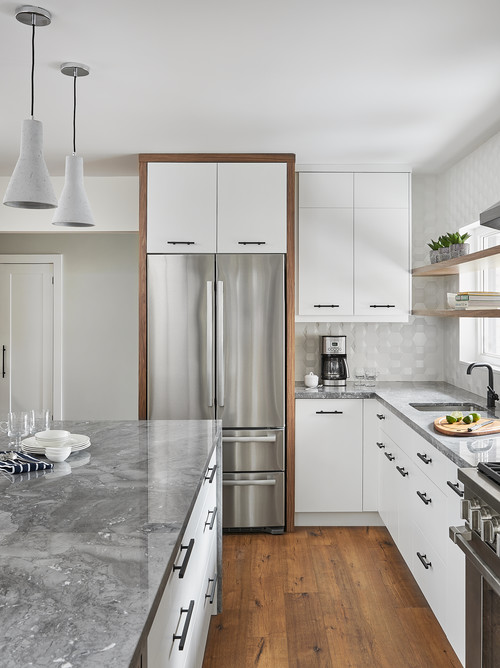
When you step into a kitchen, the first thing that grabs your eye is often the countertop. It’s the stage for cooking, dining, and everyday life. Choosing the right material can transform a space, but with so many options, picking the best wood for countertops can feel overwhelming. This guide breaks down the top wood types, their pros and cons, and how to decide which one fits your style and budget.
Wood countertops offer warmth, elegance, and a timeless appeal. They’re also versatile, coming in natural, stained, or crafted finishes. In this article, we’ll cover everything from durability to maintenance, so you can confidently select the wood that will last for years.
We’ll explore the most popular woods, compare key attributes in a clear table, and share expert tips to extend your countertop’s life. By the end, you’ll know the best wood for countertops and how to choose the one that matches your lifestyle.
Top 5 Woods to Consider for Your Countertop
1. Oak: Classic Strength and Versatility
Oak is a popular choice because of its robust grain and high durability. It resists dents and scratches, making it ideal for busy kitchens. Oak’s natural color ranges from light honey to deep brown, offering flexibility in design.
2. Walnut: Rich, Dark Elegance
Walnut brings a luxurious, deep tone that works well in both traditional and modern settings. It’s softer than oak but still sturdy, with a smooth texture that feels great underfoot.
3. Maple: Light, Hard, and Low Maintenance
Maple is a hard, dense wood that resists impact and heat. Its light color provides a clean backdrop, especially in minimalist kitchens. Maple’s fine grain is easy to polish, keeping it looking fresh.
4. Cherry: Warmth with Age
Cherry darkens beautifully over time, developing a rich mahogany hue. It’s moderately hard and offers a subtle, natural finish that ages gracefully.
5. Teak: Tropical Durability
Teak contains natural oils that make it highly resistant to moisture and heat. It’s a great option for kitchens with high humidity or for homeowners who love a tropical aesthetic.
Why Wood Is a Sustainable Choice for Countertops
Renewable Resources
Wood is a renewable resource when sourced responsibly. Many suppliers now use certified sustainable lumber, ensuring that each panel comes from managed forests.
Low Carbon Footprint
Manufacturing wooden countertops typically uses less energy than options like quartz or stone. Plus, wood can be reclaimed or recycled at the end of its life.
Biophilic Design Benefits
Incorporating wood brings a natural element into the kitchen, which can reduce stress and improve overall well-being. Studies show that natural materials enhance mood and productivity.
Durability Factors: How Long Will Your Wood Last?
Hardness Scale (Janka Rating)
Hardness indicates a wood’s resistance to dents. Oak scores around 1,200, while walnut is closer to 1,040. Maple’s rating is roughly 1,450, making it one of the hardest kitchen woods.
Water Resistance
Teak’s natural oils make it highly water-resistant. Cherry and walnut can absorb moisture if not properly sealed, leading to warping over time.
Heat Resistance
Maple and oak withstand higher temperatures, reducing scorch marks from hot pots. Teak also performs well under heat due to its oil content.
Maintenance Tips for Longevity
Regular Sealing
Apply a food-safe sealant every 12–18 months to protect the wood from spills and stains. Reapply when the countertop feels dull.
Immediate Spill Cleanup
Wipe acidic or oily substances right away. Use a mild soap solution; avoid harsh cleaners that strip the finish.
Use Cutting Boards
Never cut directly on wood. Cutting boards preserve the surface and prevent deep scratches that are hard to repair.
Comparison Table: Key Attributes of Popular Wood Countertops
| Wood Type | Hardness (Janka) | Water Resistance | Price Range (per sq ft) | Ideal Style |
|---|---|---|---|---|
| Oak | 1,200 | Medium | $3–$6 | Traditional, Farmhouse |
| Walnut | 1,040 | Low | $4–$7 | Modern, Contemporary |
| Maple | 1,450 | High | $3.5–$6.5 | Minimalist, Scandinavian |
| Cherry | 1,050 | Medium | $4–$7.5 | Traditional, Warm |
| Teak | 1,300 | High | $5–$8 | Tropical, Coastal |

Pro Tips from Design Experts
- Mix Materials. Pair wood with stone or quartz edges for a balanced look.
- Choose the Right Finish. Matte finishes hide scratches better than glossy.
- Consider Color Matching. Match the countertop color to your cabinetry for a cohesive feel.
- Don’t Forget the Borders. Install a contrasting border to protect the wood’s edges.
- Test Sample Sheets. Always order samples before committing to a large surface.
Frequently Asked Questions about best wood for countertops
What is the cheapest wood for countertops?
Poplar is one of the most affordable options, but it’s softer and less durable than oak or maple.
Can I install a wooden countertop myself?
Yes, but it requires precise cuts and a good seal. For best results, hire a professional.
Is wood countertop safe for hot pots?
Hardwoods like maple and oak can handle high temperatures, but always use a hot pad or placemat.
How do I remove stains from wood?
Use a mild baking soda paste, let it sit for 15 minutes, then wipe clean with a damp cloth.
What is the best sealant for wood countertops?
Water-based polyurethane or food-safe marine sealants are popular for their durability and clear finish.
Will my wood countertop fade in sunlight?
Natural light can cause slight fading; use sheer curtains or UV-protective films to minimize exposure.
Is teak more expensive than other woods?
Yes, teak typically costs 20–30% more due to its high oil content and rarity.
Can I use a wood countertop in a humid kitchen?
Teak and maple perform best in high humidity, but all woods should be sealed properly.
Do wood countertops need a yearly cleaning?
Regular wiping is sufficient; deep cleaning can be done every 2–3 years with a gentle cleaner.
What is the lifespan of a wooden countertop?
With proper care, a wooden countertop can last 10–20 years or more.
Choosing the best wood for countertops is a blend of aesthetics, function, and budget. Armed with this guide, you can confidently select a countertop that complements your kitchen’s personality while standing the test of time.
Ready to transform your space? Contact a local kitchen designer or visit a showroom to feel the difference between oak, walnut, maple, cherry, and teak. Your kitchen deserves the best, and your countertop should too.

