When a screw’s head loses its bite, it can feel like a tiny piece of metal has vanished into thin air. Stripped screws are a common nuisance in DIY projects, automotive work, and even in everyday household repairs. If you’re wondering the best way to remove a stripped screw, you’re not alone. The frustration of a stuck screw can stall a whole project, but with the right technique and tools, you can pull it free without damaging the surrounding material.
In this guide we’ll walk you through the most effective methods for extracting a stripped screw. From simple household hacks to professional-grade solutions, you’ll discover the tools, steps, and safety tips you need. By the end, you’ll be able to recover any screw, no matter how stubborn.
Ready to tackle that stubborn screw? Let’s dive in.
Understanding Why Screws Strip and How to Prevent It
Before we jump into removal techniques, it’s useful to know why screws strip in the first place. Most commonly, it happens when:
- The screwdriver bit slips or is too loose, causing the metal to wear.
- The screw head is over‑drilled, weakening the threads.
- The material around the screw is soft or deformed, pulling the head out.
Preventing strip comes down to using the right screwdriver, applying steady pressure, and avoiding over‑tightening. If you can’t prevent a screw from stripping, the next best step is to learn the best way to remove a stripped screw without causing further damage.
Method 1: Using a Screw Extractor Set
What You’ll Need
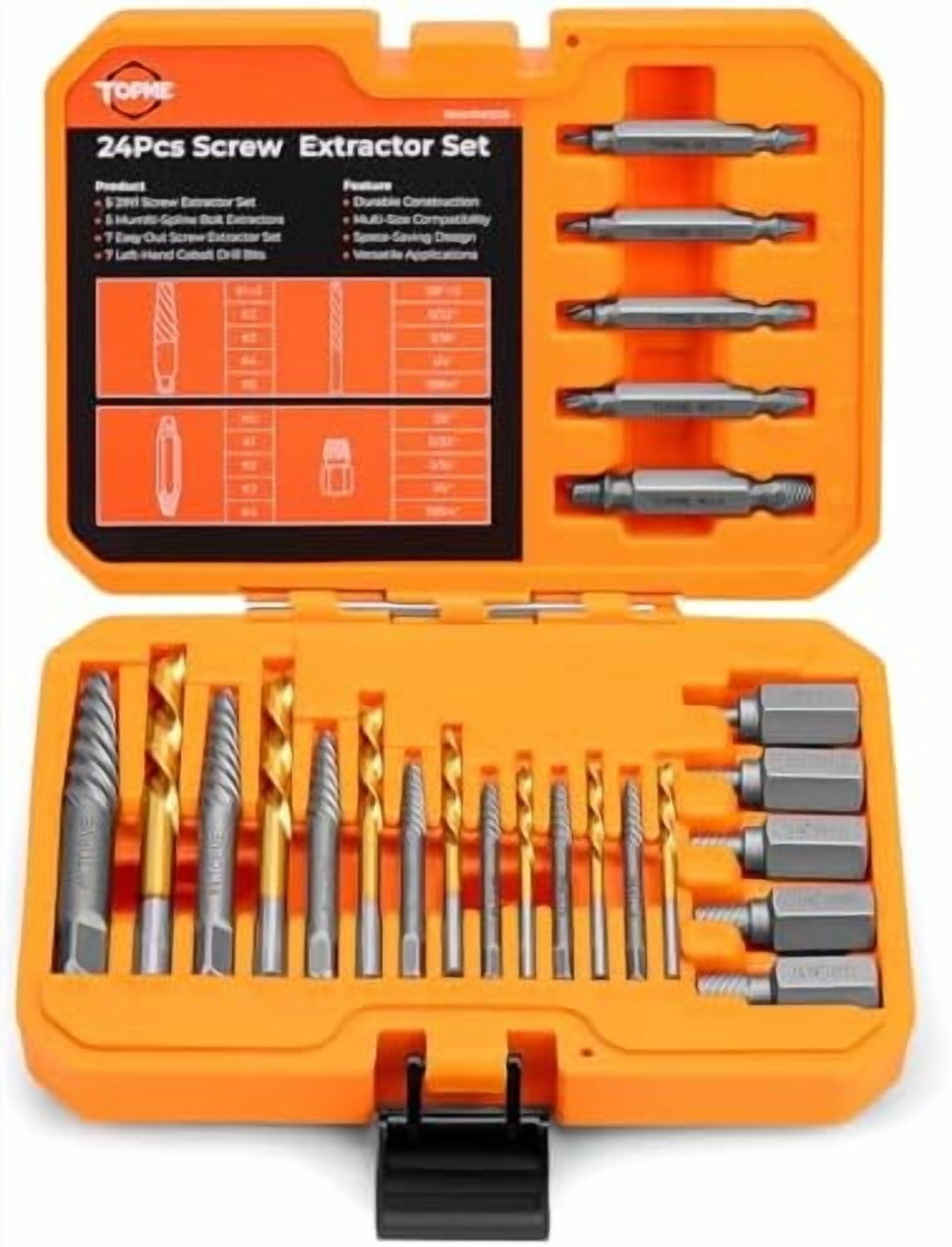
A screw extractor kit usually includes a tapered drill bit, a matching extractor, and a drill. Many kits also come with a wrench or socket for the extractor head.
Step‑by‑Step Process
1. Align the extractor bit with the center of the stripped head. 2. Drill a shallow hole, just enough to hold the extractor. 3. Insert the extractor, then turn it counter‑clockwise with a wrench. 4. The extractor grips the screw head from the inside, pulling it out.
Extractors work best on metal screws embedded in wood or metal. They provide a firm grip even when the head is completely lost.
Pros and Cons
Pros: High success rate, minimal damage to surrounding material.
Cons: Requires a drill and extra tools.
Method 2: The Old‑School Screwdriver and Hammer Hack
How It Works
Fill the stripped socket with a small amount of wax or a bar of soap. Insert the screwdriver, tap gently with a hammer, and try to turn. The wax or soap provides extra friction.
When to Use This
Perfect for quick fixes when you’re in a hurry and don’t have a drill. Works best on screws that are only slightly stripped.
Safety Tips
Keep the hammer away from the surrounding material to avoid dents. Wear safety glasses to protect your eyes from splinters.
Method 3: Cutting a New Slot with a Dremel or Rotary Tool
Tools You’ll Need
A Dremel with a cutting wheel, safety goggles, and a bit of patience.
Process Overview
1. Secure the workpiece firmly. 2. Use the Dremel to cut a flat slot across the stripped head. 3. Insert a flat‑head screwdriver into the new slot and turn.
Creating a new slot often restores enough grip for a standard screwdriver.
Advantages
Very effective for thick screws and when you want a clean, straight extraction.
Method 4: Using an Impact Driver and a Screwdriver Combo
What Is an Impact Driver?
It’s a cordless tool that delivers high torque with a hammering motion. Pair it with a screwdriver that fits the screw head.
Key Steps
1. Choose the right screwdriver size. 2. Apply steady pressure while the impact driver delivers bursts of torque. 3. The combination of force and impact helps break the bond.
This method is great for large screws in metal or hardwood.
Method 5: Heat and Cold – The Thermal Shock Trick
How to Apply Temperature
Use a propane torch to heat the screw’s head for a few seconds, then quickly cool it with an ice pack or cold spray. Repeat until the screw loosens.
Why It Works
Metal expands when heated and contracts when cooled. Repeated expansion and contraction can loosen the threads.
Precautions
Never do this near flammable materials. Keep a fire extinguisher handy.
Method 6: Employing a Left‑Handed Drill Bit
What Is a Left‑Handed Bit?
Unlike standard drill bits that spin clockwise, left‑handed bits spin counter‑clockwise, which can help loosen a stuck screw.
Procedure
1. Drill a shallow hole with the left‑handed bit. 2. Insert an extractor or a screwdriver and turn counter‑clockwise. 3. The reverse motion can undo the torque that caused the strip.
This method works best on screws that are partially loosened but still stuck.
Method 7: Using a Pliers or Locking Vise
When Pliers Shine
If the screw head protrudes slightly, locking pliers (Vise‑grips) can grip the top edge and pull it out.
Steps
1. Tighten the pliers around the exposed portion. 2. Wiggle gently while pulling straight out. 3. If necessary, repeat with a different angle.
It’s a quick fix for screws in soft plastic or thin metal.
Comparison of the Top Extraction Methods
| Method | Tool Required | Best For | Success Rate |
|---|---|---|---|
| Screw Extractor Set | Drill, extractor kit | Metal screws in wood/metal | 95% |
| Screwdriver + Hammer | Screwdriver, hammer, wax | Lightly stripped screws | 80% |
| Dremel Slot | Dremel, cutting wheel | Thick screws, clean look | 90% |
| Impact Driver | Impact driver, screwdriver | Large screws, hard material | 92% |
| Heat & Cold | Propane torch, ice pack | Stuck screws in metal | 70% |
| Left‑Handed Drill | Left‑handed bit, extractor | Partially loosened screws | 85% |
| Pliers | Locking pliers | Exposed screw heads | 75% |
Pro Tips for a Successful Screw Extraction
- Choose the Right Bit: A slightly undersized bit can bite into the screw head better.
- Apply Steady Pressure: Sudden jerks can break the screw or damage the material.
- Keep the Workpiece Secure: Use clamps or a vice to hold the object steady.
- Lubricate: A drop of WD‑40 can reduce friction and help the screw turn.
- Work in Cool, Dry Conditions: Heat or humidity can soften materials, making extraction harder.
- Test on a Dummy Screw: If unsure, practice on a spare screw first.
- Use a Screwdriver with a Rubber Gripping Pad: This improves torque without slipping.
- Stay Patient: Rushing often leads to more damage.
Frequently Asked Questions about best way to remove a stripped screw
What causes a screw to strip?
Over‑tightening, using the wrong screwdriver size, or drilling too deep can all lead to a stripped screw head.
Can I use a drill to remove a stripped screw?
Yes, a drill with a screw extractor bit is one of the most effective methods for metal screws.
Is a DIY screw extractor kit worth buying?
Absolutely. It’s inexpensive and works for most household jobs.
Will heating and cooling a screw always work?
Not always. It’s more effective on metal screws, not on plastic or wood.
Can I reuse a stripped screw head?
Once stripped, the head is usually unusable, but you can re‑thread it with a tap or replace the screw entirely.
What if the screw is embedded in a wall?
Use a drywall saw to expose the screw before attempting extraction.
How do I avoid stripping screws in the future?
Use the correct screwdriver size, apply even pressure, and avoid over‑tightening.
Is it safe to use an impact driver on a stripped screw?
Yes, but ensure the material around the screw is not prone to cracking.
Can I use a regular screwdriver to remove a deeply stripped screw?
It’s unlikely to succeed without a new slot or extractor.
What safety gear should I wear during extraction?
Wear safety glasses and gloves to protect against splinters and falling debris.
When you’ve mastered these techniques, a stripped screw will no longer halt your projects. By selecting the right method, using the correct tools, and following these expert tips, you can remove any stubborn screw safely and efficiently.
Ready to tackle that stubborn screw? Grab your tools, try one of these proven methods, and get your project back on track today.

