
When the temperature drops, a chilly garage can turn from a storage closet into a damp, uncomfortable space. If you use your garage for work, play, or storage, finding the best way to heat a garage is essential. This guide explores the most effective and cost‑effective heating options, so you can keep your garage toasty without breaking the bank.
In this article, we’ll discuss insulation, electric heaters, gas options, radiant floors, and more. We’ll also compare each method, share professional tips, and answer the most common questions. By the end, you’ll know the best way to heat a garage for any situation.
Why Insulation Is the Foundation of a Warm Garage
Understanding Garage Insulation Basics
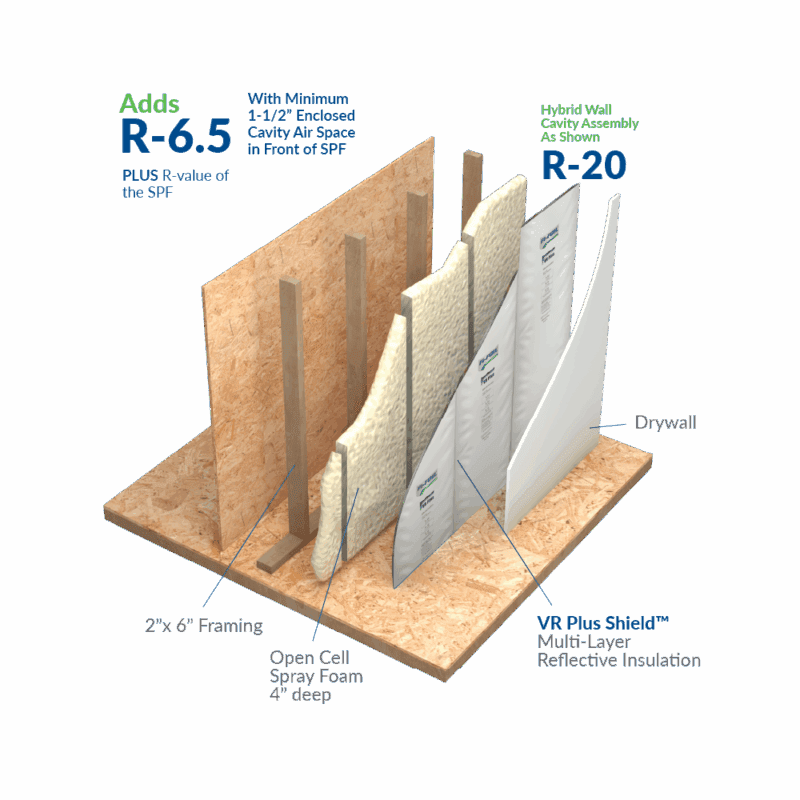
Before adding a heater, think about insulation. A well‑insulated garage reduces heat loss and makes any heating method more efficient. Insulation comes in blankets, panels, or blown‑in foam.
Installing R-Value Ratings
R‑value measures thermal resistance. For a garage, aim for R‑13 to R‑15 on walls and R‑21 on ceilings. Higher R-values mean less energy wasted.
Sealing Cracks and Gaps
Use weather stripping around doors and windows. A simple silicone sealant can block drafts that undermine even the best heater.
Electric Space Heaters: Quick, Safe, and Easy to Install
Choosing the Right Wattage
For a 200‑sq‑ft garage, a 1500‑W heater can raise the temperature by about 20°F in an hour. Larger spaces may need multiple units.
Heat‑Reflector Technology
Reflectors bounce heat back into the room instead of letting it escape through walls. This feature boosts efficiency by up to 30%.
Safety Features to Look For
Auto‑shutoff on tilt, tip‑over protection, and over‑heat cut‑off are essential. Choose units with UL certification.
Propane and Natural Gas Heaters: Powerful and Economical for Large Garages
Understanding the Fuel Options
Propane is portable and can be stored in tanks. Natural gas requires a home line, but it offers lower operating costs per BTU.
Installation Considerations
Gas heaters need venting and a proper combustion check. Hiring a licensed plumber or HVAC technician is recommended.
Heat Output vs. Size
Check the BTU rating. A 35,000‑BTU gas heater can comfortably heat a 500‑sq‑ft garage.
Safety Tips for Gas Heating
Install carbon monoxide detectors. Keep the heater at least 3 feet from walls and doors.
Radiant Floor Heating: Cozy Floors for a Garage Workbench
How Radiant Floors Work
Electric mats or hydronic tubes emit heat directly from the floor, creating a comfortable surface for standing work.
Installation Steps
Lay a pre‑insulation layer, then install heating mats. Seal with a thin layer of concrete or epoxy resin.
Benefits Over Traditional Heaters
Radiant floors provide even heat distribution and reduce drafts from vents or windows.
Cost and Energy Use
Initial setup is higher, but the system runs at a lower wattage and can be used on a timer to save money.
Heat Pump Systems: Energy‑Efficient and Versatile
How Heat Pumps Work in Garages
Heat pumps extract heat from outside air, even when it’s cold, and deliver it inside. They also reverse for cooling in summer.
Choosing the Right Capacity
Look for a unit rated 8,000 to 12,000 BTU for most garages. Size matters for efficiency.
Installation and Maintenance
Professional installation is advised. Clean the external coils and check refrigerant levels every year.
Operating Costs
Heat pumps can reduce heating bills by up to 50% compared to electric resistance heating.
Comparison Table: Heating Options for Your Garage
| Heating Method | Ideal Garage Size | Initial Cost | Operating Cost | Installation Complexity |
|---|---|---|---|---|
| Electric Heater | ≤200 ft² | $200–$600 | High | Low |
| Propane Heater | 200–400 ft² | $400–$800 | Medium | Medium |
| Natural Gas Heater | 400–600 ft² | $600–$1,200 | Low | High |
| Radiant Floor | ≤250 ft² | $1,200–$2,500 | Low | High |
| Heat Pump | 200–500 ft² | $1,000–$3,000 | Low | High |
Pro Tips for Heating Your Garage Effectively
- Seal air leaks before adding heat. A drafty garage wastes energy.
- Use a programmable thermostat. Schedule heating for active hours to cut costs.
- Choose a heater with a built‑in safety shut‑off. Prevent accidents.
- Insulate the ceiling first. It loses most heat upward.
- Keep the garage door closed when heating. A single open door can drop temp 15–20°F.
- Consider a dual‑fuel system. Switch to electric when the temperature is mild.
- Regularly clean or replace filters. Good airflow keeps heaters efficient.
- Test the CO detector monthly. Gas heaters produce carbon monoxide.
- Use reflective heat shields. They bounce heat into the room.
- Keep furniture and pallets away from heaters. Prevent fire hazards.
Frequently Asked Questions about best way to heat a garage
Can I use a space heater in my garage?
Yes, but choose one with safety features like tip‑over switch and auto‑shutoff. Keep it away from walls and flammable items.
What is the most energy‑efficient way to heat a garage?
Insulating the garage first and then using a heat pump is often the most efficient method for medium‑sized garages.
Is a propane heater safe for a garage?
Propane heaters are safe when installed correctly and with a CO detector. Follow the manufacturer’s safety guidelines.
Do I need a vent for a gas heater?
Yes. Gas heaters require proper venting to expel combustion gases outside.
Can I install a heat pump in a cold climate?
Modern heat pumps work efficiently in temperatures as low as 20°F, but performance drops as temperatures approach freezing.
How much does a garage heater cost annually?
Electric heaters can cost $300–$600 per year, propane about $200–$400, and heat pumps around $150–$250 depending on climate.
Should I put a heater near my car?
Keep heaters at least 3 feet from vehicles to avoid fumes and fire risk. Use a dedicated space for automotive work.
Is radiant floor heating worth it for a small garage?
For small workspaces where floor comfort matters, radiant flooring is a good investment, though initial costs are higher.
Can I use a garage heater during a power outage?
Only if it’s a gas or propane heater. Electric heaters will stop working without power.
Do I need a thermostat with a garage heater?
A thermostat helps maintain a steady temperature and saves energy by turning the unit on and off automatically.
Choosing the best way to heat a garage depends on your space, budget, and how you use the room. Whether you go for a quick electric heater, a powerful gas unit, or a sophisticated heat pump, the key is to start with proper insulation and safety.
Take the next step: assess your garage’s size and insulation, then pick a heating solution that fits. If you need more guidance, contact a local HVAC professional to help you choose and install the perfect system.

