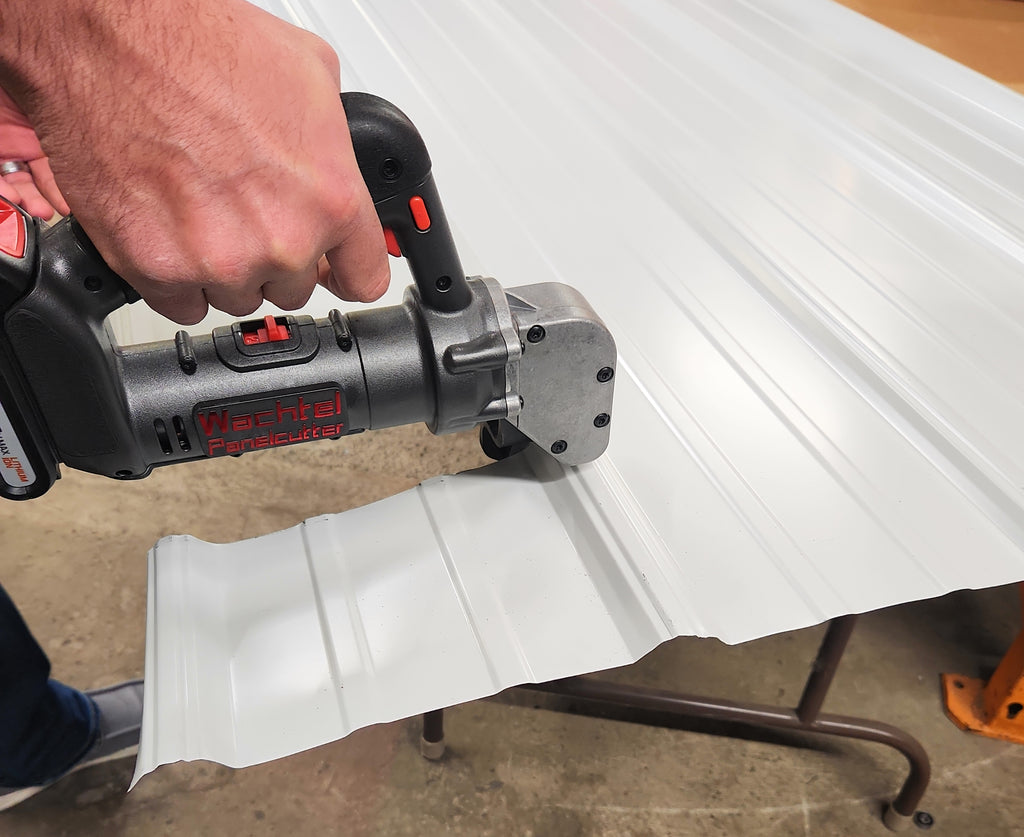
Cutting steel roofing may sound daunting, but with the right tools and techniques, homeowners and contractors can achieve clean, accurate cuts every time. This guide reveals the best way to cut steel roofing, covering equipment, safety, and step‑by‑step instructions that keep your roof projects on schedule and within budget.
Whether you’re installing a new metal roof, repairing a damaged section, or just learning the craft, mastering steel roof cutting is essential. In the next sections, you’ll discover the most reliable methods, compare cutting tools, and gain expert tips to avoid common mistakes.
Understanding the Basics of Steel Roof Cutting
Why Precision Matters in Steel Roofing
Steel roofs expand and contract with temperature. Any miscut can create gaps, leading to leaks or structural stress. Accurate cuts ensure panels fit snugly and protect the building.
Key Terminology Every Installer Should Know
Cold saw, hot saw, angle grinder, jig, and offset are common terms. Knowing these helps you choose the right equipment and avoid confusion during installation.
Choosing the Right Type of Steel for Your Roof
Coated steel, stainless steel, and galvalume each cut differently. Thicker sheets require more robust tools, while thinner panels are easier to handle but still need precision.
Step‑by‑Step Guide: The Best Way to Cut Steel Roofing
1. Prepare Your Workspace Safely
Clear the area of debris and secure a stable surface. Lay a cutting mat or heavy-duty plywood under the panel to protect both the workbench and the steel. Use a clamp to hold the sheet steady.
2. Measure, Mark, and Double‑Check
Use a chalk line or marker to draw the cut line. Measure twice, cut once. Marking with a fine tip ensures the line is visible during cutting.
3. Select the Appropriate Cutting Tool
Cold saws give clean edges with minimal heat distortion. Angle grinders are faster but produce rougher cuts. Choose based on panel thickness and required finish.
4. Execute the Cut with Consistent Pressure
Run the saw along the line steadily. Avoid jerking the tool; maintain a smooth rhythm to prevent uneven edges.
5. Inspect and Finish the Edge
Check for burrs or rough spots. Use a file or deburring tool to smooth the edge, ensuring a tight fit with adjacent panels.
6. Secure the Panel in Place
After cutting, use roofing nails or screws to attach the panel according to manufacturer specs. This step locks in the precision achieved during cutting.
7. Clean Up and Document
Wipe down the cut area to remove metal shavings. Note any adjustments made for future reference or quality control.
Comparing Cutting Tools: Which Is Best for Your Project?
| Tool | Ideal Use | Pros | Cons |
|---|---|---|---|
| Cold Saw | Thick steel, precision cuts | Clean edges, minimal heat | High cost, slower |
| Angle Grinder | Thin or moderate steel, quick cuts | Fast, affordable | Rough edges, more heat |
| Hot Saw | Large sheets, high volume | Rapid, minimal effort | Heat can warp steel |
| Jigsaw with Metal Blade | Curved cuts, small projects | Versatile, inexpensive | Less precise, requires skill |
Expert Pro Tips for a Flawless Cut
- Wear cut‑resistant gloves and eye protection at all times.
- Use a guide rail for straight cuts, especially on thick panels.
- Apply a slight pressure to the blade to reduce chatter.
- Deburr edges immediately to prevent future damage.
- Keep the blade or saw blade clean and sharp for consistent results.
- Plan your cut layout before starting to minimize waste.
- Check local regulations for safety and environmental compliance.
Frequently Asked Questions about best way to cut steel roofing
What safety gear should I wear when cutting steel roofing?
Always use cut‑resistant gloves, safety goggles, hearing protection, and a dust mask. These protect against metal shavings and loud noise.
Can I use a regular circular saw to cut steel roofing?
Regular saws lack the durability for steel. Use a cold saw or angle grinder with a proper metal blade for better results.
How do I prevent the steel from warping when I cut it?
Cold cutting methods avoid heat buildup. Keep the blade cool and use a steady, even pressure to reduce warping.
What is the recommended thickness for steel roofing panels?
Common thicknesses range from 0.018 to 0.060 inches. Thicker panels need heavier equipment, while thinner panels can be handled with lighter tools.
Do I need a special jig to cut steel roofing?
A cutting jig stabilizes the panel and guides the blade, ensuring straight, accurate cuts, especially useful for beginners.
How often should I replace the blade on my angle grinder?
Inspect blades after every 20–30 cuts. Replace when you notice dullness or chipping to maintain clean edges.
Can I cut steel roofing outdoors?
Yes, but be mindful of wind and temperature. Secure the panel and use a stable surface to avoid accidents.
Is it necessary to deburr after cutting steel roofing?
Deburring removes sharp edges that can damage adjacent panels or pose safety hazards. It also improves the final appearance.
What are the environmental impacts of cutting steel roofing?
Metal shavings can contaminate waste streams. Collect and recycle shavings to minimize environmental harm.
What if the cut is slightly off—can I adjust later?
Minor adjustments are possible with a file or re-cutting, but significant errors may require replacing the panel for proper fit.
By mastering the best way to cut steel roofing, you’ll achieve professional results, reduce material waste, and protect your investment. Start planning your cuts today, apply these proven techniques, and enjoy a flawless roof installation.
Ready to tackle your next roofing project? Download our free cutting checklist or contact a certified installer to ensure your steel roof is cut to perfection.

