
Cutting acrylic sheet can seem intimidating, but with the right technique, you can achieve clean, smooth edges every time. Whether you’re a DIY enthusiast or a professional fabricator, mastering the best way to cut acrylic sheet saves time, reduces waste, and ensures a polished final product.
This guide covers seven industry‑tested methods, from laser cutting to manual tools, and provides a quick comparison table to help you choose the right approach for your project. Ready to get started?
Laser Cutting Acrylic Sheet: The Industrial Standard
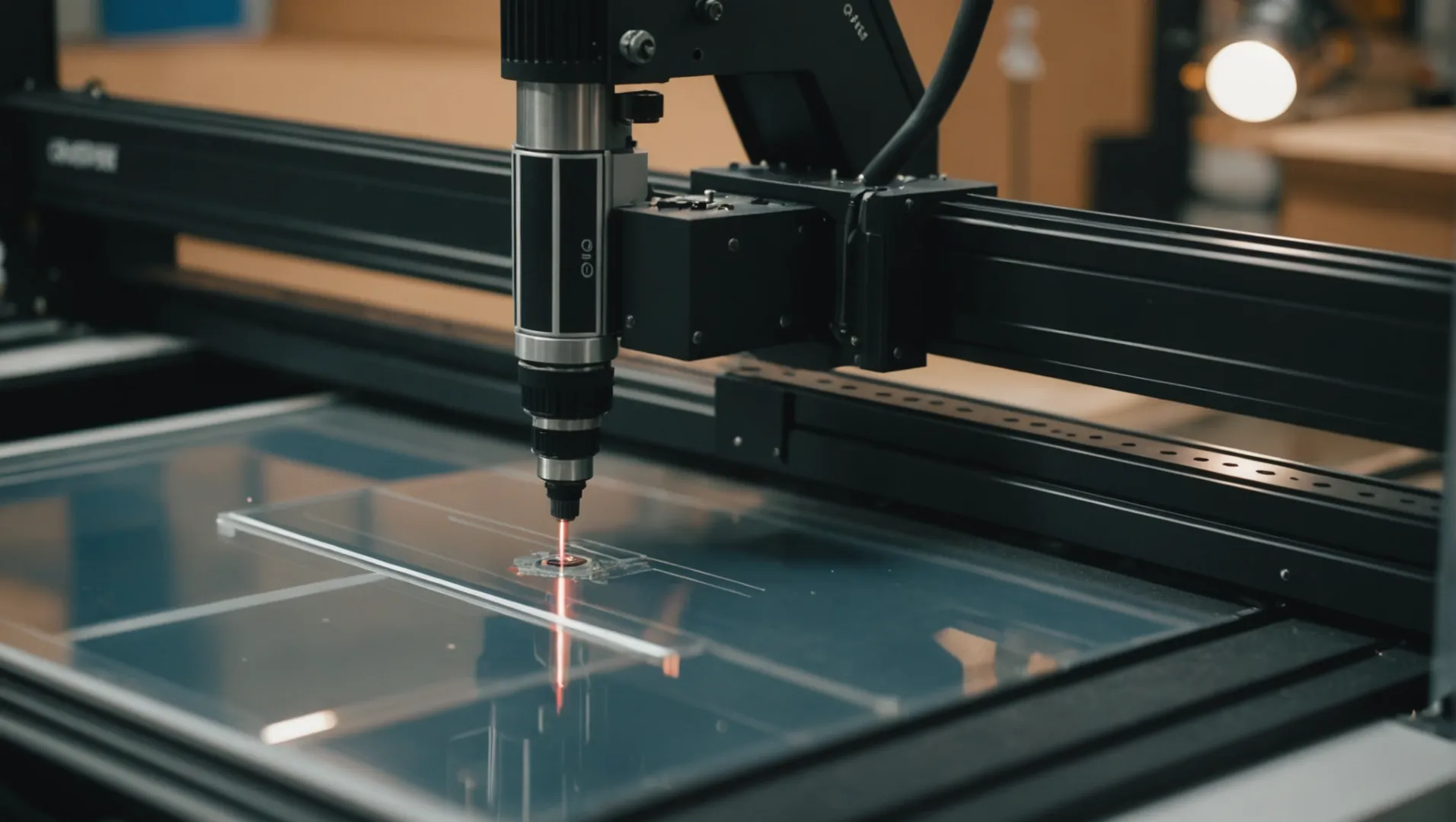
Laser cutting offers precision and speed, especially for intricate designs. Industrial laser cutters use a CO₂ or fiber laser to melt the acrylic along a programmed path.
Benefits of Laser Cutting
• Ultra‑clean cuts with minimal heat distortion
• Ability to create complex shapes and patterns
• High repeatability for mass production
When to Use Laser Cutting
Ideal for large orders, detailed artwork, or when you need a professional finish without post‑processing.
Setting Up Your Laser Cutter
Select the correct power setting (usually 5–10 W for 1/8” acrylic), use a high‑resolution laser head, and keep the material on a stable platform.
Waterjet Cutting Acrylic Sheet: Clean Cuts for Thick Materials
Waterjet cutting uses a high‑pressure stream of water mixed with abrasive particles to slice acrylic. It’s suitable for thicker sheets and preserves edge integrity.
Advantages of Waterjet Cutting
• No heat input, so no warping
• Works on various acrylic grades
• Excellent for large, flat panels
Limitations to Consider
Higher cost, slower speed for thin sheets, and requires specialized maintenance.
Choosing the Right Abrasive
Use garnet or aluminum oxide, and ensure the abrasive mesh is fine enough to avoid micro‑tears.
Rotary Cutting: Handheld Tools for Small Projects
A rotary cutter or a Dremel rotary tool is ideal for hobbyists and small‑scale work. These tools provide a versatile, on‑the‑go solution.
Materials and Blades
Use a cutting wheel rated for plastics, and keep the blade sharp to avoid fraying.
Technique Tips
Mark the path with a permanent marker, clamp the sheet, and cut slowly to maintain edge quality.
Safety Precautions
Wear safety glasses, keep fingers clear, and stabilize the sheet to prevent wobble.
Jigsaw Cutting Acrylic Sheet: Budget-Friendly for Home Use
Jigsaws are accessible and effective, especially for straight or simple angles. Use a fine‑toothed blade and a sturdy clamp.
Blade Selection
Select a blade with 60–80 teeth per inch for smooth cuts.
Cutting Method
Start with a small notch, feed the jigsaw slowly, and use a push stick to keep the blade steady.
Post‑Cut Finishing
Sanding with fine grit sandpaper reduces burrs. A bead file can further smooth edges.
Scoring and Snap Method: Quick Cuts for Thin Acrylic
Score a thin acrylic sheet (up to 1/4” thick) with a utility knife and snap it along the scored line. This method is fast for small panels.
Steps to Score and Snap
1. Measure and mark the cut line.
2. Score with a precision knife, applying steady pressure.
3. Place the sheet on a flat surface and snap along the groove.
Advantages and Disadvantages
• Quick and requires no equipment.
• Prone to uneven edges without careful scoring.
When to Use It
Ideal for temporary displays, prototypes, or when you only need a straight cut.
Table: Comparing Cutting Methods for Acrylic Sheet
| Method | Best For | Cost | Speed | Edge Quality |
|---|---|---|---|---|
| Laser Cutting | Complex shapes, mass production | High (equipment) | Fast | Excellent |
| Waterjet Cutting | Thick panels, heat‑sensitive | High (maintenance) | Medium | Excellent |
| Rotary Cutter | Small projects, hobbyists | Low (blade replacement) | Medium | Good |
| Jigsaw | Straight cuts, home use | Low | Slow | Fair |
| Score & Snap | Thin sheets, quick cuts | Very low | Very fast | Variable |
Pro Tips for the Best Way to Cut Acrylic Sheet
- Use a fine‑toothed blade on all mechanical tools to reduce chipping.
- Clamp the sheet securely before cutting to prevent movement.
- Apply a cooling agent (e.g., water spray) during power tool cuts to prevent heat buildup.
- Always wear eye protection to guard against splinters and laser reflections.
- Sand edges post‑cut with 320‑grit sandpaper, then finish with 600‑grit for a smooth touch.
- Use a cutting guide or template for straight cuts to improve accuracy.
- Test on a scrap piece before cutting your final piece to calibrate settings.
- Store acrylic properly to avoid scratches that can affect cutting.
Frequently Asked Questions about best way to cut acrylic sheet
What thickness of acrylic can I cut with a laser?
Laser cutters typically handle up to 1/2” (12.7 mm) acrylic, but power settings must be adjusted for thicker sheets.
Can I use a regular saw to cut acrylic?
Yes, but you need a fine‑toothed blade and a slow feed rate to avoid melting.
Is it safe to cut acrylic with a household jigsaw?
It is safe if you use a plastic blade, wear safety glasses, and clamp the sheet securely.
How do I prevent crazing when cutting acrylic?
Use a sharp blade, cut slowly, and keep the material cool with a water spray.
What is the best blade for cutting acrylic with a rotary tool?
A metal cutting wheel rated for plastics works best; keep it sharp and replace when dull.
Can I sand acrylic edges myself?
Absolutely. Use 320‑grit sandpaper first, then finish with 600‑grit for a smooth edge.
Is a heat‑less method better for thick acrylic?
Yes, waterjet or score & snap methods avoid heat distortion in thicker materials.
How long does it take to cut a 4” x 8” sheet by hand?
With a rotary cutter or jigsaw, expect 10–15 minutes, including setting up and finishing.
What safety gear is essential?
Eye protection, gloves, and hearing protection for power tools; a face shield for laser cutters.
Can I re‑use acrylic scraps for future cuts?
Yes, if the scrap has clean edges and is free from cracks; store flat and dry.
By understanding the best way to cut acrylic sheet for each scenario, you can choose the method that balances precision, cost, and speed. Whether you’re crafting a custom display, building a cabinet, or prototyping a new design, the right cutting technique will save you time and deliver a professional result.
Ready to make your next acrylic project a success? Grab the tools, follow these guidelines, and enjoy flawless cuts every time!

