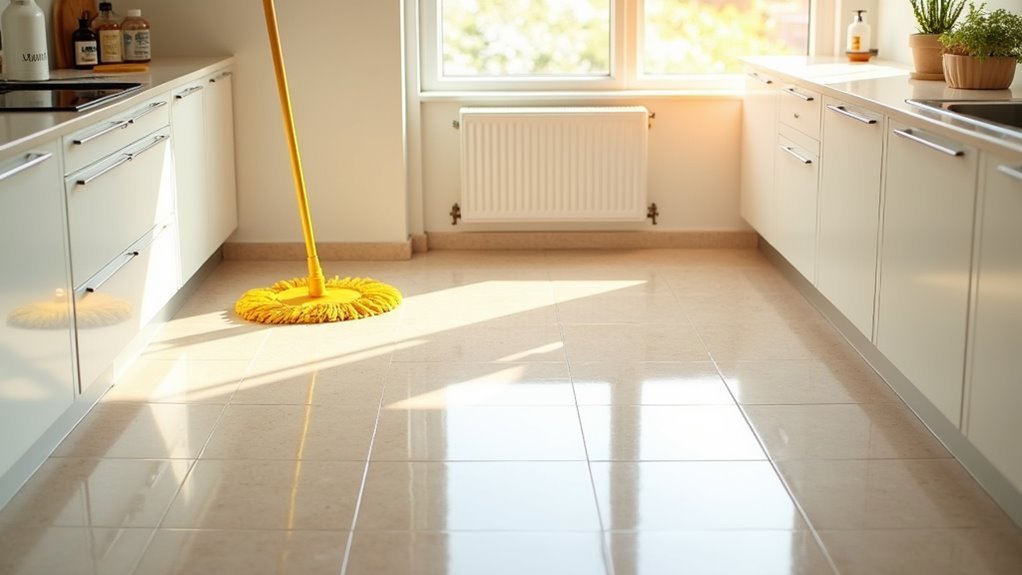
When you think of a spotless floor, linoleum often comes to mind as a durable, budget‑friendly choice. However, keeping it looking its best requires more than a quick sweep. The best way to clean linoleum floors blends gentle care with effective removal of dirt, oils, and stains.
In this guide, you’ll learn the most efficient cleaning routine, the right tools, and expert tricks for maintaining a shiny, long‑lasting linoleum surface. Ready to transform your flooring? Let’s dive in.
Understanding the Basics of Linoleum Cleaning
Linoleum is a natural composite of wood fibers, cork dust, linseed oil, and pigments. This composition makes it resilient but also susceptible to damage from harsh chemicals or rough abrasives.
Why Linoleum Needs Gentle Cleaning
Harsh scrubbing can scratch the surface and remove the protective sealant. Using mild cleaners preserves the natural oils that keep the floor supple.
Common Floor Issues to Watch For
- Stubborn grease spots from cooking or automotive leaks.
- Water stains causing discoloration.
- Accumulated dust that dulls the shine.
Tools You’ll Need
Gather a microfiber mop, a soft-bristle brush, a bucket, and an eco‑friendly cleaning solution. Avoid abrasive scrubbing pads unless specifically recommended for your linoleum type.
The Step‑by‑Step Routine for the Best Way to Clean Linoleum Floors
Follow these steps daily or weekly to keep your linoleum pristine.
Step 1: Regular Dusting and Sweeping
Use a microfiber duster or a soft broom to remove loose dirt. Do this at least twice a week to prevent grit from embedding into the floor.
Step 2: Mopping with Mild, pH‑Neutral Cleaner
Fill a bucket with warm water and add a few drops of pH‑neutral cleaner. Mop in circular motions, rinsing the mop frequently to avoid spreading dirt.
Step 3: Spot‑Treat Tough Stains
For oil or grease, sprinkle baking soda over the spot, let it sit 15 minutes, then scrub gently with a soft brush. Rinse with a damp cloth.
Step 4: Dry Immediately
Use a dry microfiber towel to blot excess moisture. This prevents water spots and keeps the floor safe from mold.
Step 5: Weekly Deep Clean
Once a week, repeat steps 1–4 with a slightly stronger solution—add a tablespoon of vinegar to the bucket for extra shine.
By following this routine, you’ll maintain the natural luster of linoleum while preventing damage.
Choosing the Right Cleaning Products for Linoleum
The right cleaner can make a huge difference. Here’s a quick guide to help you pick the best solution.
Eco‑Friendly vs. Conventional Cleaners
Eco‑friendly cleaners often contain natural surfactants and fewer harsh chemicals, making them safer for families and pets.
Important Ingredients to Avoid
- Bleach – can degrade the natural oils.
- Ammonia – leads to discoloration over time.
- Heavy detergents – leave residue that attracts dust.
DIY Cleaners You Can Make at Home
Mix equal parts water and white vinegar, add a teaspoon of dish soap. This simple solution cleans effectively and leaves no harmful residue.
Commercial Linoleum Cleaners Worth Trying
Brands like Linenol offer products specifically designed for linoleum, ensuring optimal performance without compromising durability.
Advanced Techniques for a Brighter, Longer‑Lasting Finish
Beyond basic cleaning, a few advanced strategies can boost your linoleum’s appearance.
Periodic Sealing
Consider resealing your linoleum every 3–5 years, depending on foot traffic. This protects against stains and extends the floor’s life.
Using a Floor Polisher with a Soft Pad
A mild polisher can restore shine without scratching. Use only a soft pad and a light brush setting.
Installing Floor Mats in High‑Traffic Areas
Place mats near entrances and in kitchen corners to reduce wear and tear. Choose mats with smooth backing to avoid scuffs.
Comparison Table: DIY vs. Commercial Linoleum Cleaners
| Feature | DIY Vinegar Solution | Commercial Linoleum Cleaner |
|---|---|---|
| Cost (per gallon) | $0.50 | $8.00 |
| Environmental Impact | Low | Moderate |
| Effectiveness on Stains | Moderate | High |
| Safety for Pets | Very Safe | Safe (check label) |
| Ease of Use | Easy | Easy |
Expert Pro Tips for Maintaining Linoleum
- Use a protective underlay. This reduces noise and extends floor lifespan.
- Avoid dragging heavy furniture. Use foot pads to prevent scratches.
- Test cleaners on a hidden spot first. This ensures no discoloration.
- Keep a low humidity level. Excess moisture can damage linoleum.
- Educate household members. Everyone should know the proper cleaning routine.
Frequently Asked Questions about best way to clean linoleum floors
What is the safest cleaner for linoleum?
Neutral pH cleaners or a diluted vinegar solution are safest. They clean without stripping natural oils.
How often should I reseal linoleum?
Reseal every 3–5 years, or sooner if you notice stains or dullness.
Can I use a floor polish on linoleum?
Use only a soft‑pad polisher specifically designed for linoleum. Hard brushes can scratch.
Is micro‑fiber a good mop for linoleum?
Yes, microfiber lifts dirt without scratching and absorbs moisture effectively.
What should I avoid when cleaning linoleum?
Avoid bleach, ammonia, and abrasive brushes. These can damage the surface.
How do I remove stubborn grease stains?
Apply baking soda, let sit 15 minutes, scrub gently, then rinse.
Can I mop with warm or hot water?
Use warm water. Hot water can soften linoleum fibers and cause warping.
Will a vacuum cleaner with a hard‑floor setting damage linoleum?
Modern vacuums with hard‑floor settings are safe, but always use a soft brush attachment.
Is it necessary to dry linoleum after mopping?
Yes, drying prevents water spots and mildew.
What is the best way to store cleaning supplies near linoleum?
Keep them in a dry, well‑ventilated area away from direct sunlight to maintain potency.
By following these guidelines, you’ll keep your linoleum floors looking fresh and new for years.
Now that you know the best way to clean linoleum floors, implement these steps daily and enjoy a cleaner, healthier home. Remember, consistency is key—small, regular actions protect your investment and keep your space shining.

