Knowing the best time to trim maple trees can transform your landscape. Proper timing protects spring growth, ensures healthy foliage, and keeps your trees safe from disease. This guide walks you through seasonal windows, pruning techniques, and expert tips to keep your maples thriving.
Maple trees are celebrated for their vibrant fall colors and robust growth, but like all trees, they need careful maintenance. Trimming too early or too late can stress the tree or miss the chance for optimal healing. By following the recommendations below, you’ll give your maples the best chance to grow strong while preserving their natural beauty.
Understanding Maple Tree Growth Cycles
Growth Patterns of Sugar and Red Maple
Maples exhibit distinct growth phases. Sugar maples grow rapidly in late spring, while red maples are more adaptable across seasons. Recognizing these patterns helps align pruning schedules with natural growth.
Seasonal Hormonal Activity
During winter dormancy, hormone production slows, allowing wounds to seal quickly. In spring, hormones surge, prompting new shoots. Timing cuts just before this surge can reduce sap loss and promote healthy shoots.
Impact on Root Development
Pruning during dormant months reduces root stress. Cutting too early in the growing season can divert energy from root expansion to shoot repair, weakening the tree over time.
Optimal Window for Maple Pruning: Late Winter to Early Spring
Why Late Winter Wins
Late winter, just before bud break, is the prime period for pruning. Branches are still dormant, which reduces sap loss and shock. The tree’s natural healing processes kick in right after.
Early Spring Cutting Techniques
If you miss the late winter window, early spring is acceptable. Trim just before buds swell, using clean tools to prevent disease. Avoid heavy cuts that can damage the bark.
Avoiding Summer Pruning Hazards
Summer pruning can stress the tree’s heat tolerance, especially in hot climates. Heat shock, coupled with rapid water loss, can leave wounds open and susceptible to fungal infections.
Pruning Maple Trees During Fall and Summer: Situational Guidelines
Emergency Cuts in Summer
When branches break or pose a safety risk, trim during summer. Use sharp, sterilized shears, and cut just above a healthy bud to encourage regrowth.
Fall Pruning Benefits
Light trimming in fall can reduce winter damage. Removing weak branches before snowfall protects the tree from ice loading and wind. Keep cuts minimal to prevent infection.
Winter Pruning Precautions
Cold temperatures can freeze sap in cut surfaces. Use a protective sealant after trimming to shield wounds and apply during the coldest nights.
Common Mistakes When Trimming Maple Trees
Cutting Too Close to the Trunk
Removing bark near the trunk can cause girdling, cutting off nutrient flow. Leave at least a 1-inch margin from the trunk.
Leaving Too Many Open Wounds
Multiple cuts increase infection risk. Combine cuts when possible, and use a clean, single pruning tool for all cuts in a session.
Ignoring Seasonal Weather Patterns
Pruning during a sudden heatwave or a late frost can damage the tree. Monitor local forecasts and adjust timing accordingly.
Comparison of Pruning Seasons
| Season | Pros | Cons | Ideal Timing |
|---|---|---|---|
| Late Winter | Minimal sap loss, quick healing | May be too cold for some tools | Last week before bud break |
| Early Spring | Prevents post-bud swelling damage | Risk of increased sap flow if cut late | First week of March in temperate zones |
| Summer | Emergency cuts safe | Higher infection risk | After heatwave peaks |
| Fall | Reduces winter damage | Leaves open wounds to cold | Late September to early October |
| Winter (deep) | Low sap flow | Hard to access branches | Mid-December to mid-February |
Pro Tips for a Healthy Trim
- Use Clean Tools – Sterilize shears with alcohol before each cut.
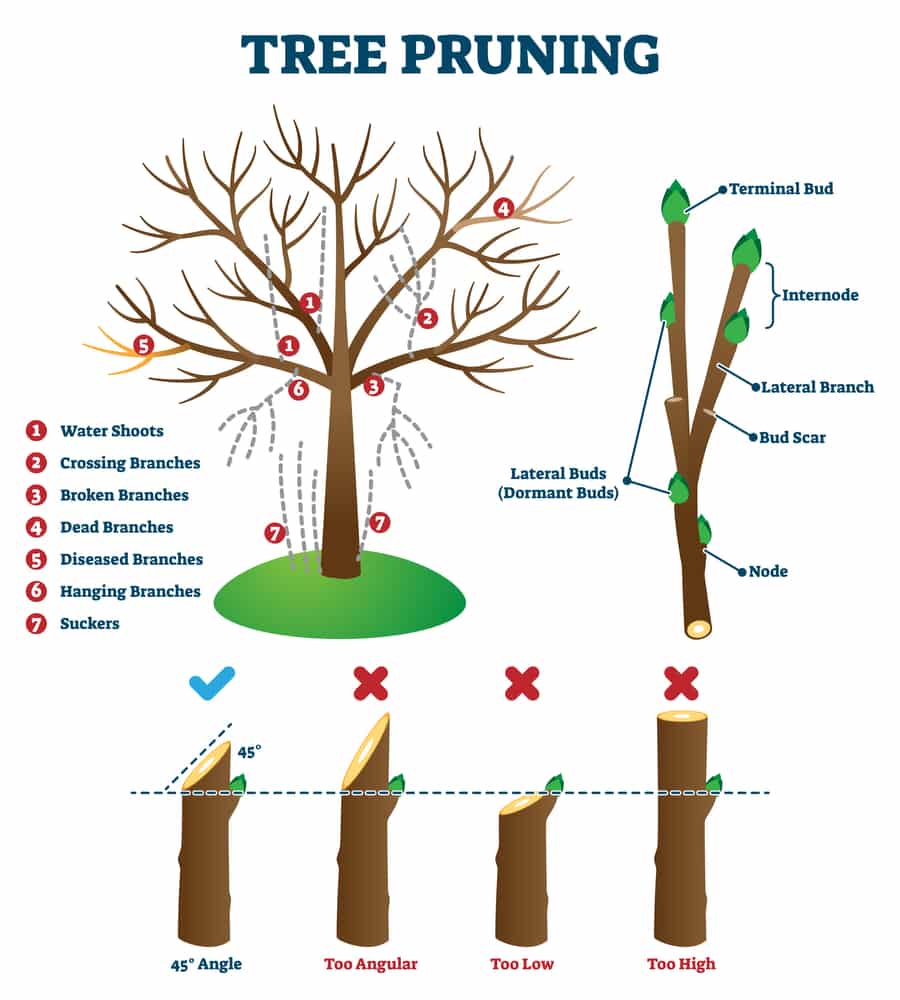
- Make Precise Cuts – Angle cuts at 45° to avoid water pooling.
- Cut Just Above a Bud – Encourages new growth from healthy buds.
- Leave a Shade Cap – For water‑sensitive maple species, leave a small pad of bark.
- Water After Pruning – Water lightly to reduce stress, especially in late winter.
- Inspect for Pests – Check trimmed branches for signs of insects or disease.
- Plan Your Cuts – Map out cuts before starting; avoid overlapping.
- Use Pruning Cream (Optional) – Helps seal wounds in very cold climates.
- Monitor Growth – Revisit trimmed trees next year to assess new growth.
- Hire a Professional If Needed – For large trees or complex cuts.
Frequently Asked Questions about best time to trim maple trees
When is the absolute best time to prune maple trees?
The best time is late winter, just before bud break, typically the last week of February or first week of March in most regions.
Can I trim a maple tree in the middle of summer?
Yes, for emergencies or quick maintenance, but avoid heavy cuts and use sterilized tools to prevent infection.
Does pruning in winter hurt the maple tree?
Pruning in winter is safe if cuts are clean and made before buds swell. The tree can heal quickly during dormancy.
How often should I prune maple trees?
Once a year during the dormant season is sufficient for most maples. Light trimming can happen in fall or summer if needed.
Should I cut maple branches during a frost?
Avoid cutting during a frost. Wait for temperatures to rise to reduce sap shock and seal wounds effectively.
Do maples need a wound sealant after pruning?
Sealants can help in extreme cold, but many maples heal well without them if cuts are clean.
What tools are best for maple pruning?
Use stainless steel pruning shears for small branches, loppers for medium branches, and a pruning saw for large limbs.
Can pruning affect maple sap flow for syrup production?
Light pruning in winter does not significantly impact sap flow. Heavy cuts close to the trunk can reduce yield.
Is it okay to prune maple trees at any height?
Prune above the canopy to allow light penetration, but avoid cutting too close to the trunk or at the base.
How do I know if my maple needs pruning at all?
Look for dead, damaged, or crossing branches. Also consider canopy shape and overall tree health.
By mastering the best time to trim maple trees, you protect your investment in these iconic trees. Keep your pruning schedule simple, tools sharp, and your maples healthy.
Ready to give your maple trees the care they deserve? Download our printable pruning checklist or contact a certified arborist today!

