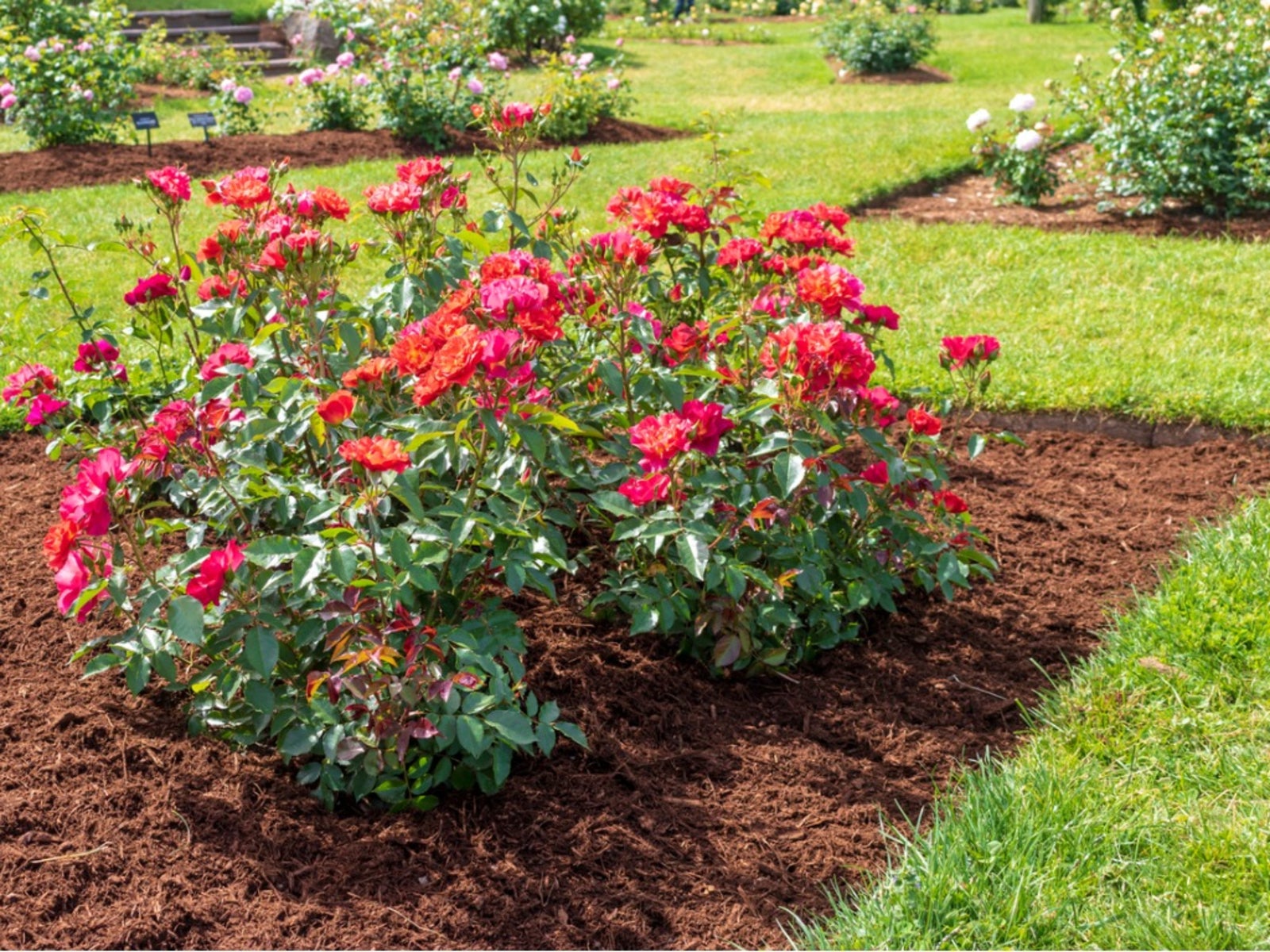
Roses are the crown jewels of any garden, but timing is everything. If you plant your roses at the right moment, you’ll enjoy a lifetime of vibrant blooms. In this guide, we’ll uncover the best time to plant roses, breaking down each season, climate zone, and plant type. By following these expert tips, you’ll give your roses the perfect start for a flourishing year.
Why Timing Matters for Rose Success
Planting roses at the optimal time reduces transplant shock, encourages strong root development, and sets the stage for early flowering. When you miss the window, you risk poor growth, disease, and delayed blooms. Understanding the best time to plant roses ensures you get the most from every rose bush you invest in.
Spring: The Traditional Choice for Most Regions
Spring is often the first season that comes to mind for rose planting. After the last frost, soil temperatures rise and moisture is plentiful. These conditions help roses establish quickly before the heat of summer.
What Makes Spring Ideal?
Spring offers several advantages. The soil warms enough to stimulate root growth. Pest pressure is lower, and the rainy season replenishes soil moisture. This combination creates a stress-free environment for new plants.
Spring Planting Steps
Follow these steps for a successful spring transplant:
- Choose a sunny spot with at least 6 hours of direct light.
- Loosen the soil to a depth of 12 inches; mix in compost.
- Dig a hole wide enough to accommodate the root ball.
- Plant at the same depth as it was in the container.
- Water thoroughly and mulch with shredded bark.
Fall: A Hidden Gem for Stress-Free Root Growth
Many gardeners overlook fall, but it’s a superb time to plant roses, especially in cooler climates. Cooler temperatures reduce transplant shock, while the upcoming winter promotes deep root development.
Benefits of Fall Planting
Fall plants have a head start on the growing season. Roots grow during mild nights, and the plants rest during winter, emerging ready in spring. This schedule often leads to earlier and more prolific blooming next year.
Fall Planting Checklist
Here’s what to do:
- Select a site with full sun.
- Dig a hole that’s twice as wide as the root ball.
- Backfill with a mix of loam and compost.
- Water deeply, then mulch with a 2–3 inch layer.
- Cover the mulch with a plastic sheet to keep moisture in.

Summer Planting: Quick Growth Before the Heat Wave
In hot climates, summer planting can be effective if you act fast. Planting early in the season allows roses to establish before high temperatures set in.
When to Plant in Summer
Early summer, just before the peak heat, is best. Avoid planting during the hottest months when soil dries quickly.
Planting Tips for Hot Weather
- Plant in the early morning or late evening.
- Water immediately after planting.
- Use a mulch that reflects light and retains moisture.
- Consider shade cloth during the hottest part of the day.
Winter: Rare but Possible in Mild Zones
In regions with mild winters, you can plant roses during winter dormancy. The rest period allows roots to settle without the pressure of active growth.
Winter Planting Procedure
Follow these steps for winter planting:
- Inspect soil for compaction; aerate if needed.
- Dig a wide hole and mix perlite for drainage.
- Plant at the original depth.
- Mulch heavily and cover with a thick layer of straw.
- Keep the mulch in place until spring.
Climate Zone Guide: When to Plant Roses in Your Region
Different climates call for different planting schedules. Below is a quick reference for USDA hardiness zones.
| USDA Zone | Best Planting Season |
|---|---|
| 1–3 (Very Cold) | Early Spring |
| 4–6 (Cold) | Spring or Fall |
| 7–8 (Mild) | Spring, Fall, or Early Summer |
| 9–10 (Warm) | Fall or Winter (if mild) |
| 11–12 (Hot) | Fall or Winter |
Pro Tips for Maximizing Rose Growth
- Choose disease-resistant varieties.
- Prune any damaged or diseased stems before planting.
- Use a balanced fertilizer labeled for roses.
- Inspect compost for pests before mixing.
- Rotate roses yearly to avoid soil-borne diseases.
- Apply a thin layer of seaweed extract during the first growing season.
- Keep mulch dry to prevent fungal infections.
- Use a drip irrigation system for even watering.
Frequently Asked Questions about best time to plant roses
When is the absolute best time to plant a new rose bush?
The best time depends on your climate. In temperate zones, early spring or early fall are usually ideal. In hot areas, early summer can work if you plant early.
Can I plant roses during a hot summer?
Yes, but only in the early part of the season and with extra care for watering and shade.
Is it okay to plant roses in winter?
In mild climates where frost is rare, winter planting can be successful if you use proper mulch and protection.
Do roses need special soil for planting?
Roses thrive in loamy, well-draining soil. Adding compost improves texture and nutrients.
How often should I mulch my new roses?
Mulch once after planting and again in late spring. Keep it 2–3 inches tall.
What is the best fertilizer for newly planted roses?
Use a balanced, slow-release fertilizer with a 10-10-10 ratio, following the package instructions.
Should I prune new roses before planting?
Yes, trim any damaged or diseased stems to encourage healthy growth.
How long does it take for a rose to start blooming after planting?
Typically, roses begin blooming within 1–2 years, depending on variety and care.
Can I plant roses in a container?
Absolutely. Use a pot with drainage holes and fill with a high-quality potting mix.
What are common mistakes to avoid when planting roses?
Plant too deep, neglect mulch, and ignore proper watering schedule are common pitfalls.
Knowing the best time to plant roses is the first step to a thriving garden. Whether you choose spring, fall, summer, or winter, each season offers unique advantages. By following our comprehensive guide and expert tips, you’ll give your roses the robust foundation they need to bloom beautifully every year.
Ready to transform your yard with stunning roses? Grab a bag of your favorite variety, follow our planting steps, and watch your garden flourish. Happy planting!

