When the snow starts falling and the temperature dips, the heater becomes the hero that keeps us comfortable. But choosing the right thermostat setting can feel like a guessing game. In this guide, we’ll reveal the best temperature for heater in winter, backed by science, real‑world data, and practical tips. You’ll learn how to balance comfort, health, and energy savings so you can stay cozy without blowing through your electric bill.
Why the Right Heater Setting Matters More Than You Think
Health and Comfort
Too cold rooms can lead to respiratory issues, especially for kids and the elderly. Conversely, overheating can dry out the air, causing skin irritation and increased dust mites.
Energy Efficiency
Heating accounts for 30%–40% of household energy use. Small temperature tweaks can dramatically cut costs.
Environmental Impact
Lowering your thermostat by just 1°C can reduce CO₂ emissions by up to 1.5 tons per year for an average home.
Setting the Ideal Temperature: Target Ranges by Expertise
Energy Star Recommendations
Energy Star suggests 20–21°C (68–70°F) for living spaces during day and 16–18°C (61–64°F) at night.
ASHRAE Comfort Guidelines
The American Society of Heating, Refrigerating and Air‑Conditioning Engineers (ASHRAE) recommends 20°C (68°F) for occupied spaces.
Smart Thermostats Take the Guesswork Out
Devices like Nest or Ecobee learn your habits and adjust automatically, keeping you warm when needed and saving energy otherwise.
Personal Preferences and Room Use
Bedrooms may stay cooler; kitchens and bathrooms can be a few degrees warmer due to activity.
Impact of Humidity and Ventilation on Heater Settings
How Dry Air Affects Comfort
Heating dries the air. Use a humidifier to keep indoor humidity at 30–50%. This keeps the same comfort at lower temperatures.
Ventilation Matters
Proper airflow prevents mold growth and maintains even temperature, allowing a lower thermostat setting.
Combining Heat and Humidity
In dry climates, a heater set at 19°C with 45% humidity feels warmer than 21°C with 30% humidity.
Seasonal Temperature Adjustments: From Winter to Spring
Early Winter: Higher Settings for Rapid Comfort
Start at 21°C and see how your body reacts. Once you feel settled, drop to 19°C.
Mid‑Winter: Stabilize Your Comfort Zone
Maintain 19–20°C during the day. At night, aim for 16°C to reduce energy use.
Late Winter & Early Spring: Lower the Heater Gradually
As temperatures rise outside, lower your thermostat by 1–2°C per week.
Comparing Heater Types and Their Temperature Limits
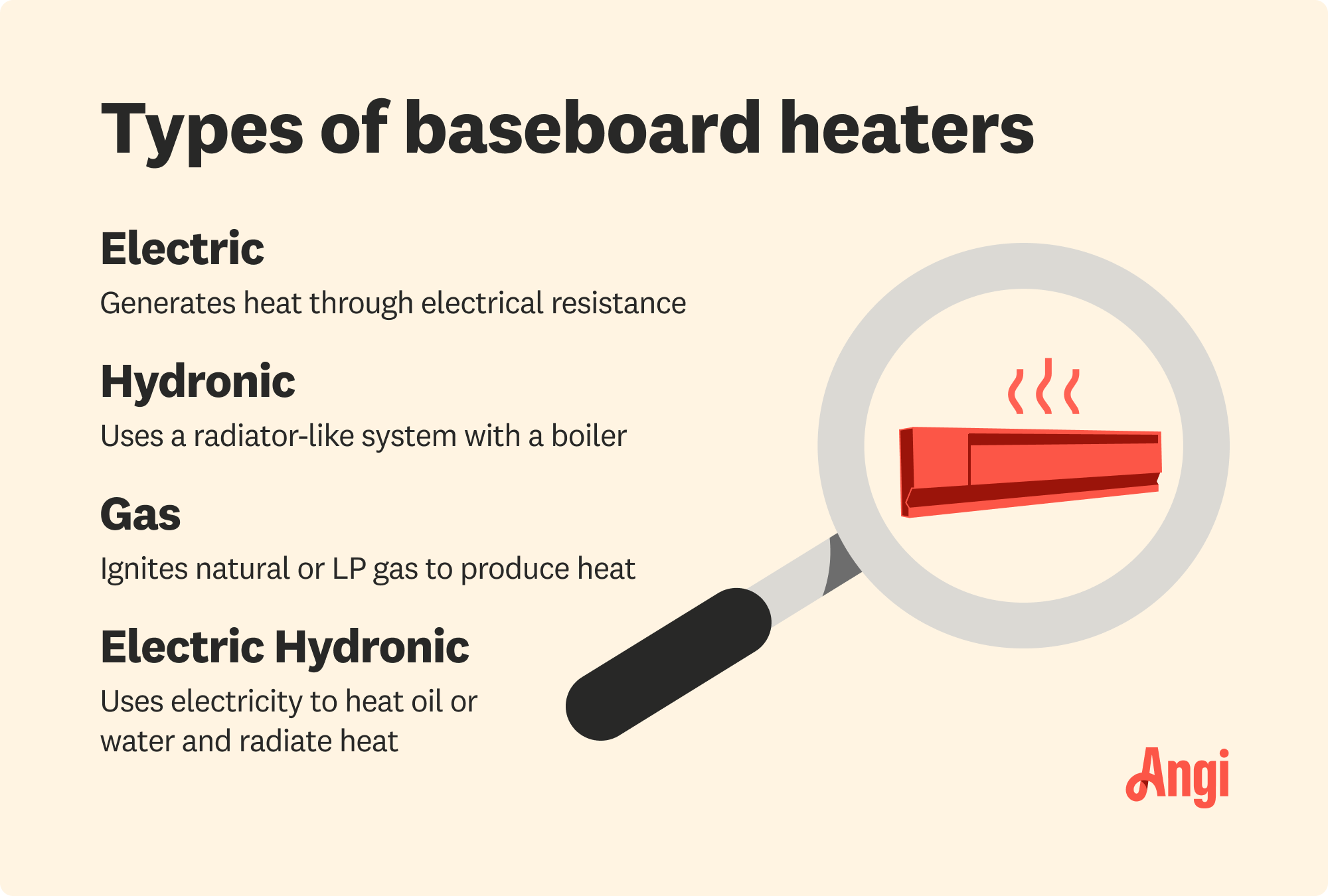
| Heater Type | Optimal Temp (°C) | Energy Efficiency | Cost per kWh |
|---|---|---|---|
| Electric Baseboard | 18–21 | High | $0.12 |
| Gas Furnace | 19–22 | Medium | $0.09 |
| Heat Pump | 18–20 | Very High | $0.08 |
| Radiant Floor | 17–19 | High | $0.10 |
Expert Pro Tips to Maximize Comfort and Savings
- Use Timers – Set your heater to turn on 30 minutes before you arrive home.
- Zone Heating – Only heat occupied rooms with smart thermostats.
- Insulate Properly – Seal windows, add weather stripping, and use heavy curtains.
- Maintain Your Heater – Clean filters weekly, check ducts monthly.
- Blend Warm Bedding – Use flannel sheets and extra blankets instead of raising the thermostat.
- Consider a Programmable Thermostat – Program night-time lows to 16°C.
- Monitor Energy Usage – Track monthly bills to see savings from temperature adjustments.
- Check Local Energy Rates – Some areas have off‑peak rates; program heater accordingly.
Frequently Asked Questions about best temperature for heater in winter
What temperature should I set my heater to during winter nights?
Aim for 16–18°C (61–64°F). This keeps you warm enough while saving energy.
Can I set my heater lower if I use a humidifier?
Yes. Adding 30–40% humidity allows you to drop the thermostat by 1–2°C without losing comfort.
Is 20°C a safe temperature for children and pets?
Yes. 20°C (68°F) is comfortable for most families and keeps pets warm without overheating.
Will a lower thermostat increase my heating bills?
No. Lowering your thermostat by 1°C can save up to 6% on heating costs.
How often should I adjust my heater during the winter?
Review your settings weekly and adjust based on weather forecasts and personal comfort.
What if I have an old furnace? Can I still lower the temperature?
Older furnaces may struggle to maintain lower temps. Consider a heat pump upgrade for better efficiency.
Does the best temperature for heater in winter vary by region?
Yes. Colder regions may need 21°C during the day, while milder climates can stay at 19°C.
Can I use a space heater to supplement my main HVAC?
Yes, but use it only in occupied rooms and never exceed the manufacturer’s safety guidelines.
Should I keep my heater on 24/7 during winter?
No. Programmable thermostats can reduce runtime during non‑occupancy periods, saving energy.
What’s the healthiest indoor temperature range?
Studies suggest 20–21°C (68–70°F) is optimal for overall health and comfort.
Choosing the best temperature for heater in winter doesn’t have to be a guessing game. By applying these science‑backed guidelines and smart habits, you can keep your home comfortable, protect your health, and cut energy costs. Start with a programmable thermostat, tweak your settings weekly, and watch both your comfort and savings rise.

