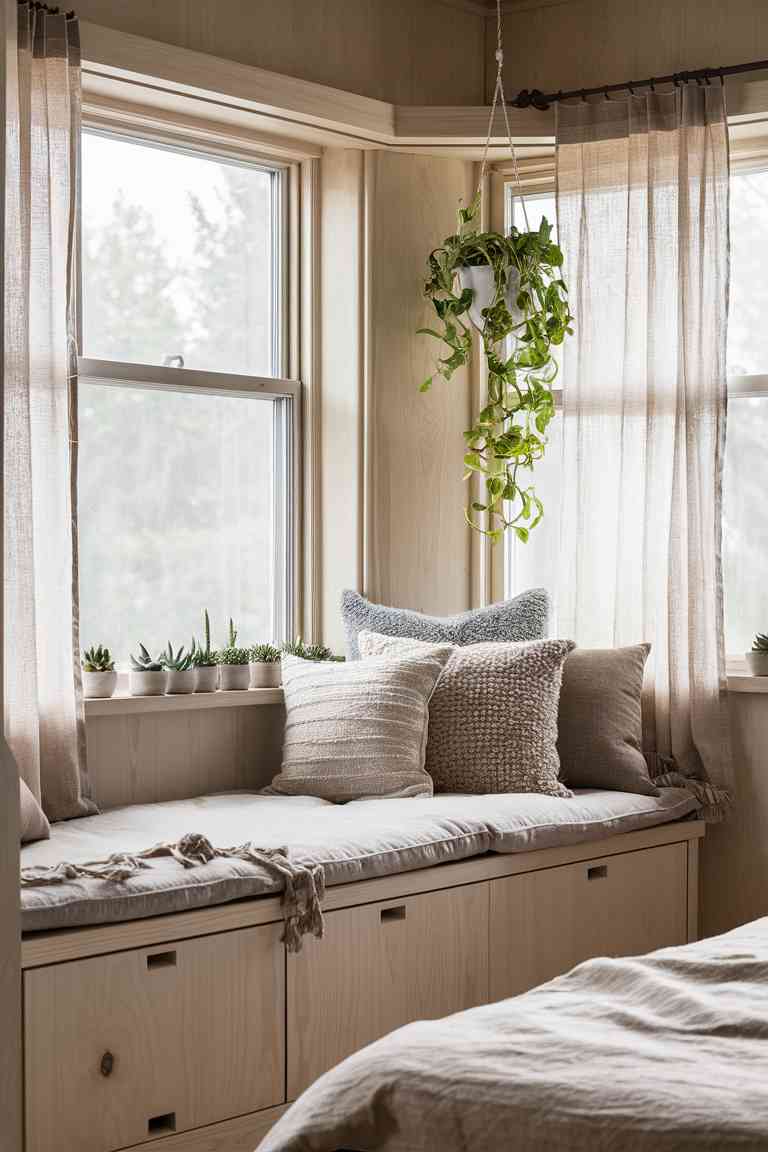
Think of a bedroom as a sanctuary where you unwind, sleep, and recharge. Adding a few well‑chosen plants can transform this space into a healthier, more tranquil environment. In this guide, we explore the best plants for your bedroom, covering everything from air‑purifying qualities to low‑maintenance care. Whether you’re a seasoned plant lover or a novice homeowner, you’ll find practical tips to choose and nurture the perfect green companions.
Plants do more than look pretty. They release oxygen, absorb carbon dioxide, and can filter out harmful volatile organic compounds (VOCs). In a room where you spend a third of your life, those benefits are priceless. Let’s dive into the top choices that blend aesthetics, health, and ease of care.
Low‑Maintenance Indoor Plants That Thrive in Bedroom Light
Snake Plant (Sansevieria)
The snake plant is a true survivor. It tolerates low light and irregular watering, making it ideal for bedrooms with limited natural light.
Its upright leaves filter out formaldehyde and benzene, common indoor pollutants. Placing a snake plant near a window or in a corner can improve air quality without demanding attention.
Pothos (Epipremnum aureum)
Pothos vines are versatile. They grow well in indirect light and thrive on a weekly watering schedule.
With heart‑shaped leaves that come in green, golden, or variegated varieties, pothos adds a touch of tropical charm to any bedroom décor.
Peace Lily (Spathiphyllum)
The peace lily thrives in dim light and releases oxygen at night, a unique feature among houseplants.
Its white blooms also add a subtle pop of color, complementing minimalistic or boho bedroom styles.
Plants That Improve Sleep Quality by Regulating Humidity
English Ivy (Hedera helix)
English ivy is excellent at removing airborne mold spores and increasing humidity through transpiration.
A small ivy plant on a shelf or hanging basket can help maintain a comfortable moisture level during dry winter months.
Areca Palm (Dypsis lutescens)
The areca palm is a natural humidifier, releasing moisture as it grows.
Its feathery fronds also act as a soft, natural air purifier, making it a stylish addition to a bedroom that feels airy and fresh.
Fiddle Leaf Fig (Ficus lyrata)
With large, glossy leaves, the fiddle leaf fig adds a dramatic statement while boosting humidity.
Keep it away from direct heat sources to prevent leaf scorch, and it will thrive for years.
Plants That Reduce Stress and Promote Relaxation
Aloe Vera
Aloe vera is not only a succulent but also a natural healer. Its gel has soothing properties for minor burns.
When placed near a bed, aloe can release oxygen and help calm the mind, fostering a restful sleep environment.
Lavender (Lavandula angustifolia)
Lavender is famed for its calming aroma, which can reduce anxiety and promote better sleep.
Grow a small lavender pot on a bedside table or use dried lavender sachets for an aromatic touch.
Spider Plant (Chlorophytum comosum)
The spider plant releases oxygen at night and helps remove pollutants such as formaldehyde.
Its arching leaves create a gentle, cascading effect that adds a touch of softness to the room.
Water‑Conscious, Drought‑Tolerant Options for Busy Lifestyles
Jade Plant (Crassula ovata)
Jade plants store water in thick leaves, making them ideal for forgetful growers.
They prefer bright light but can survive under a lamp for a few hours each day.
Aloe Vera
Previously mentioned, aloe’s succulence means minimal watering—just every 2–3 weeks.
Its glossy leaves also add a Mediterranean flair to a minimalist bedroom aesthetic.
Succulent Variety Mix
Combining tiny succulents like sedum, echeveria, and echeveria provides a colorful, low‑maintenance display.
Place them in a shallow tray to catch excess water and prevent overwatering.
Comparison Table of Bedroom‑Friendly Plants
| Plant | Light Need | Watering Frequency | Air‑Purifying Power | Best Placement |
|---|---|---|---|---|
| Snake Plant | Low to Bright | Every 2–3 Weeks | High | Near Window or Corner |
| Pothos | Indirect Light | Weekly | Medium | Hanging Baskets |
| Peace Lily | Low to Medium | Weekly | High | Close to Bed |
| Areca Palm | Bright Indirect | Weekly | Medium | High Shelf |
| Lavender | Full Sun | Moderate | Low | Desk or Nightstand |
| Jade Plant | Bright | Every 3–4 Weeks | Low | Bright Window |
Expert Pro Tips for Maximizing Plant Health in Bedrooms
- Choose the Right Potting Mix: Use a lightweight, well‑draining soil blend designed for houseplants to avoid root rot.
- Use a Humidifier When Needed: In dry winter months, a small humidifier can keep plant leaves from drying out.
- Rotate Regularly: Turn plants every 4–6 weeks so all sides receive equal light exposure.
- Watch for Pests: Inspect leaves for spider mites or mealybugs; treat early with neem oil.
- Control Light with Curtains: Dimmed light reduces stress and helps maintain a natural circadian rhythm.
- Keep the Room Temperature Stable: Most bedroom plants prefer 60–75°F (15–24°C). Avoid placing near drafty windows or heat vents.
- Use Plant Racks: Multi‑level displays maximize space and add an architectural element.
- Periodically Repot: Every 1–2 years, refresh the soil to replenish nutrients.
Frequently Asked Questions about best plants for your bedroom
What is the best plant for a bedroom with low light?
The snake plant and peace lily are excellent for low‑light conditions, as they thrive on minimal sunlight and require little watering.
Can plants improve sleep quality?
Yes. Plants like the peace lily release oxygen at night, and fragrances such as lavender can calm the nervous system, supporting deeper sleep.
Do plants need watering every day?
No. Most bedroom plants prefer to dry slightly between waterings. Overwatering is a common mistake; check the top inch of soil before adding water.
What are the top air‑purifying plants for a bedroom?
Snake plant, spider plant, and peace lily are highly effective at removing VOCs such as formaldehyde and benzene from indoor air.
Are succulents good for bedrooms?
Succulents are drought‑tolerant, low‑maintenance, and can add a minimalist aesthetic. They work well in bright, indirect light.
Do plants require direct sunlight in a bedroom?
Most bedroom plants prefer indirect or filtered light. Direct sun can scorch leaves; use curtains or blinds to diffuse the light.
Can I use plants to add color to a neutral bedroom?
Absolutely. Variegated pothos, lavender, and colorful succulents can introduce subtle hues without overwhelming the space.
What is the safest plant for children and pets?
The spider plant and pothos are non‑toxic for pets and children, making them safe choices for family homes.
How do I keep my bedroom plants from overwatering?
Use pots with drainage holes, a saucer to catch excess water, and a moisture meter if needed.
Do plants need fertilizer in a bedroom?
Feed lightly during the growing season (spring and summer) with a balanced houseplant fertilizer diluted to half strength.
Choosing the right plants for your bedroom can elevate both the room’s ambiance and your overall well‑being. By selecting low‑maintenance, air‑purifying options and following simple care guidelines, you’ll enjoy a healthier, more serene sleep environment. Try adding one or two of these plants today, and watch your bedroom transform into a green retreat.

