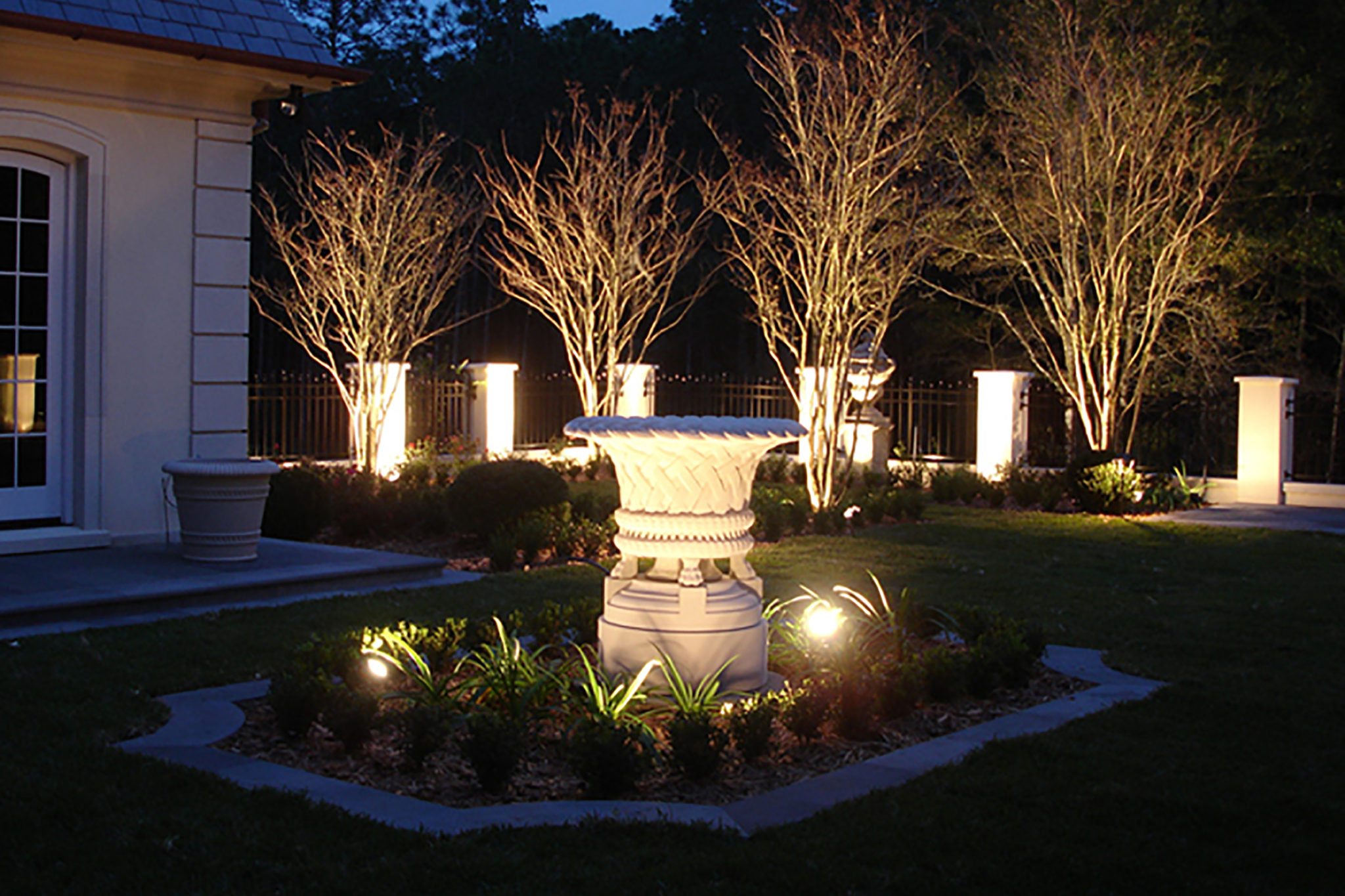
When the sun sets, a well‑lit yard can transform your outdoor space into a safe, stylish sanctuary. Selecting the best outdoor landscape lighting means balancing safety, aesthetics, and energy efficiency. In this guide, we’ll explore lighting styles, placement strategies, and the latest tech to help you choose the perfect fixtures for every corner of your property.
From subtle accent lights that breathe elegance into your garden to bold task lights that outline driveways, the right lighting can boost curb appeal, extend evening use, and even add security. Whether you’re a seasoned DIYer or hiring a contractor, the tips below will guide you to a brighter, safer, and more inviting outdoor environment.
Understanding the Types of Landscape Lighting for the Best Results
Low‑Voltage vs. High‑Voltage Systems
Low‑voltage LED fixtures are popular because they’re energy‑efficient and safe around pets. They run on 12‑volt DC, requiring a transformer that plugs into your house’s outlet. High‑voltage systems operate at 120 V AC and need a dedicated circuit. Though cheaper upfront, they’re less flexible and pose a higher risk of electrocution.
LED, Halogen, and Solar Options
LEDs dominate the market today. They last 50,000 hours, consume 80% less power, and emit a warm glow that’s gentle on the eyes. Halogen bulbs offer brighter light but burn out faster and generate more heat. Solar lights are ideal for small areas; they charge during the day and activate automatically at dusk.
Color Temperature and Beam Angles
Color temperature is measured in Kelvin (K). Warm white (2700–3000 K) creates a cozy feel, while cool white (4000–5000 K) gives a crisp, modern look. Beam angle—narrow or wide—determines how the light spreads. Narrow beams highlight focal points; wide beams provide general illumination.
Strategic Placement: Where to Install the Best Outdoor Landscape Lighting
Pathways and Walkways
Install step lights along stair risers and use low‑profile fixtures at each footstep. This setup reduces tripping hazards and adds visual interest. Position lights 12–18 inches from the edge for optimal coverage.
Trees, Shrubs, and Garden Beds
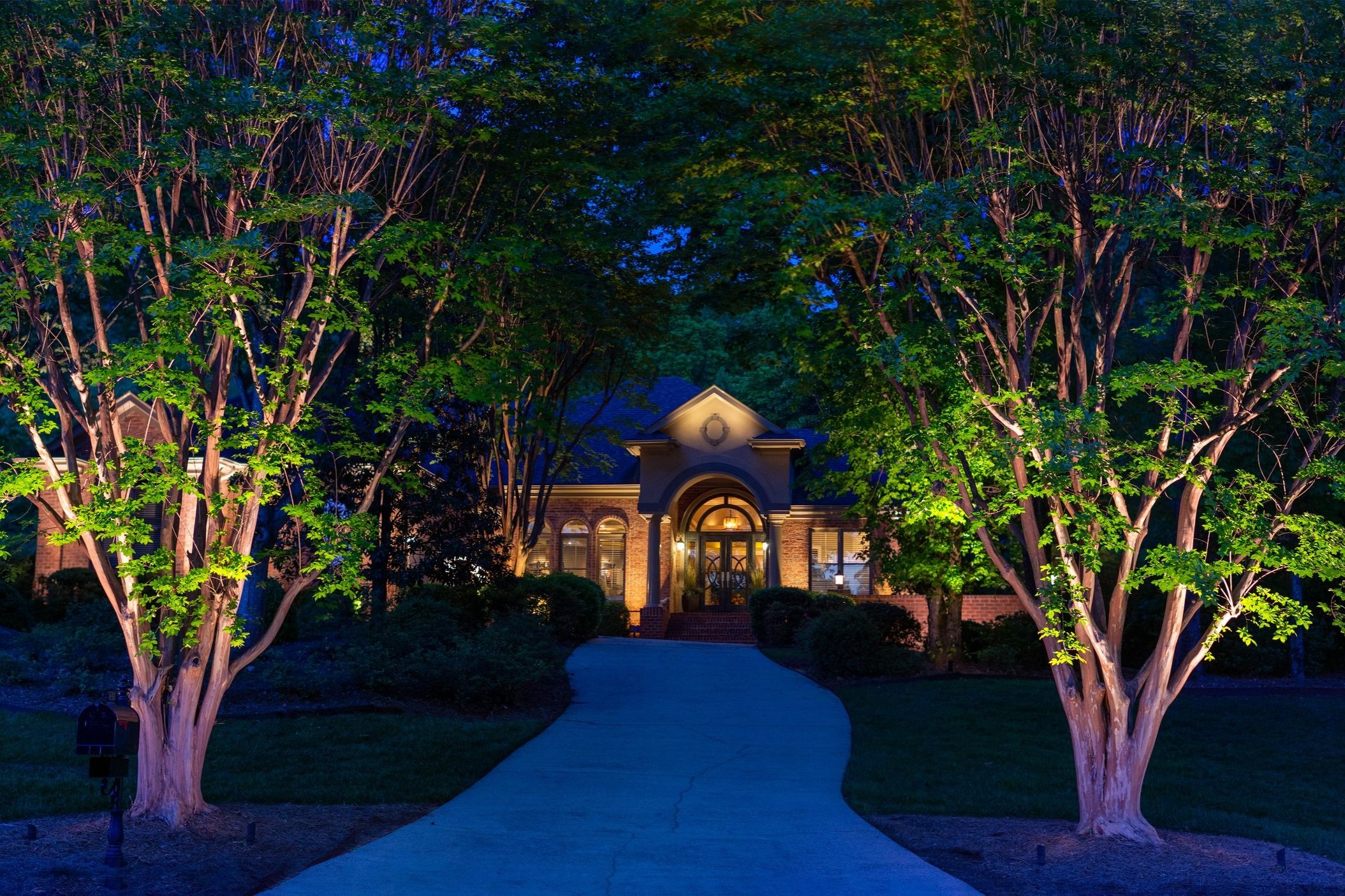
Use uplighting to enhance the natural silhouette of trees. Place fixtures at the base and angle them upward to avoid glare. For shrubs, consider ground‑mounted spotlights to accent leaf texture.
Architectural Features and Focal Points
Highlight patios, pergolas, or water features with arc lights or wall sconces. Position fixtures so they project a clean, focused beam onto the feature and the surrounding space.
Smart Controls: Enhancing Convenience and Energy Savings
Wireless Remote and Mobile Apps
Modern LED fixtures often come with a remote or a smartphone app. You can dim lights, switch colors, or set schedules from anywhere. This flexibility saves energy and adds a touch of tech‑savvy elegance.
Motion Sensors for Security and Efficiency
Motion‑activated fixtures turn on when movement is detected, providing instant illumination for guests or intruders. They also help conserve power by remaining off when no one is nearby.
Solar‑Powered Lighting with Integrated Batteries
Solar lights with built‑in storage provide reliable illumination without a wiring job. Pair them with motion sensors or smart timers to further optimize performance.
Choosing the Right Fixtures: A Comparative Data Table
| Fixture Type | Power Source | Typical Lifespan | Energy Usage | Ideal Use |
|---|---|---|---|---|
| Low‑Voltage LED | 12 V DC | 50,000 hrs | 5–10 W | Pathways, trees, accent lighting |
| High‑Voltage Halogen | 120 V AC | 1,200–1,500 hrs | 40–60 W | Large outdoor areas, porch lighting |
| Solar LED | Battery‑powered | 10,000–20,000 hrs | 0 W (no grid) | Small gardens, porch, patio |
| LED Flood | 12 V DC | 50,000 hrs | 10–15 W | Large lawns, driveways |
Expert Pro Tips for Maximizing Outdoor Lighting Effectiveness
- Layer Your Lighting: Combine ambient, task, and accent lights to create depth.
- Use Dimmers: Adjust brightness to match activities or seasons.
- Keep Fixtures Clean: Dust and debris reduce light output; clean annually.
- Choose Weather‑Resistant Housing: Look for IP65 or higher ratings.
- Schedule Smartly: Set timers to turn lights on a few minutes before sunset.
- Blend Warm and Cool Whites: Use warm LEDs for cozy ambiance and cool LEDs for functional areas.
- Test Placement: Walk through your yard with lights on to spot dark spots.
- Secure Cables: Use conduit and bury wires at least 12 inches deep.
Frequently Asked Questions about best outdoor landscape lighting
What is the most energy‑efficient type of outdoor lighting?
LED fixtures are the most energy‑efficient option. They use about 80% less power than halogen bulbs and last up to 50,000 hours.
Can solar lights replace all my outdoor lighting?
Solar lights are great for small areas like pathways or patios, but they may not provide enough brightness for large lawns or driveways.
How do I choose the right color temperature?
Warm white (2700–3000 K) works well for cozy, residential settings, while cool white (4000–5000 K) is ideal for modern, security‑focused spaces.
Do I need a professional for low‑voltage installations?
Low‑voltage systems are DIY‑friendly, but a licensed electrician can ensure proper transformer sizing and code compliance.
What maintenance does landscape lighting require?
Check fixtures annually for corrosion, replace bulbs as needed, and clean lenses to maintain brightness.
How do I avoid glare from porch lights?
Use low‑profile fixtures and angle the light downward. Ground‑mounted fixtures help reduce eye strain.
Can motion sensors be used outdoors?
Yes, motion sensors designed for outdoor use can reduce energy waste and enhance security.
What is the best mounting height for path lights?
Mount lights 12–18 inches from the ground to illuminate steps without causing glare.
Is it safe to leave outdoor lights on all night?
Use motion sensors or timers to limit exposure. Continuous on‑time can increase energy cost and reduce bulb life.
Do LED lights last longer in cold climates?
LEDs perform well in cold temperatures; their lifespan may actually improve, but extreme cold can affect battery‑powered fixtures.
Transform your outdoor space with the right lighting strategy, and watch your yard become a safe, stylish haven after dark. Whether you choose low‑voltage LEDs, solar fixtures, or smart‑controlled systems, the best outdoor landscape lighting is within reach. Start planning today and enjoy luminous evenings for years to come.

