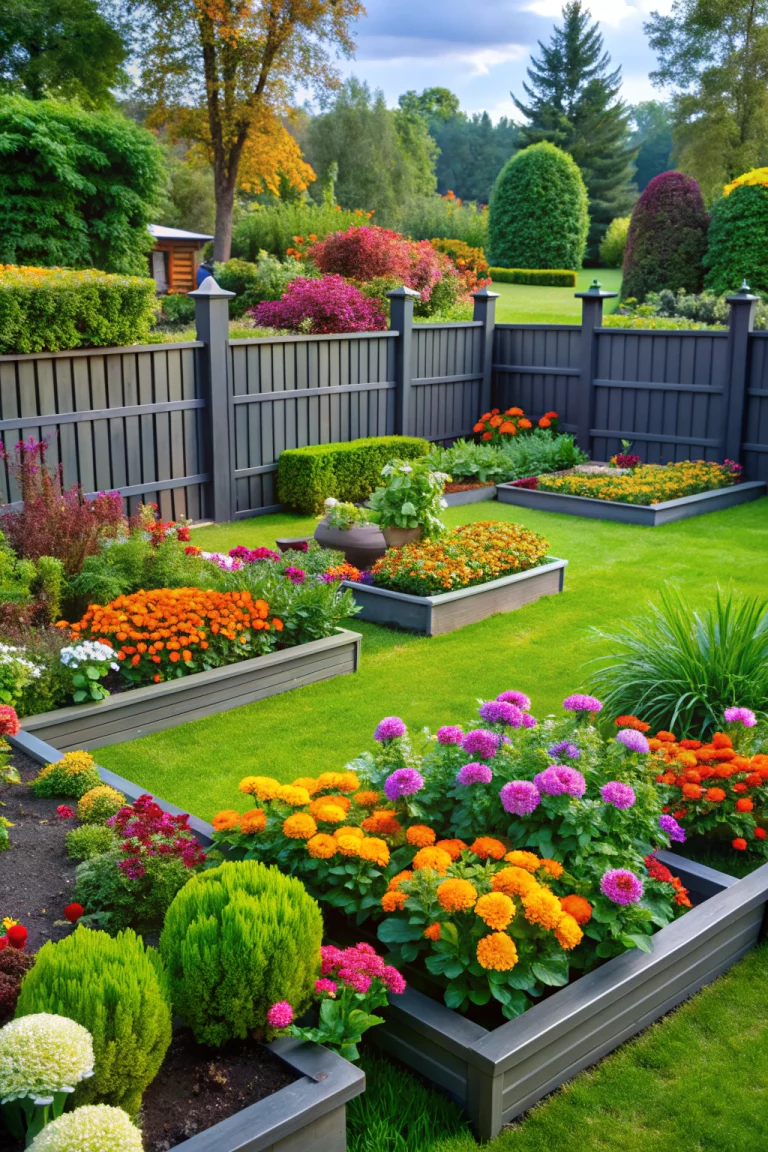
Mulch is the unsung hero of every thriving flower bed. It keeps soil moist, suppresses weeds, and adds a finished look. If you’re searching for the best mulch for flower beds, you’re in the right place. In this guide, we’ll explore the top mulch options, compare their benefits, and give you practical tips to choose and apply the perfect mulch.
We’ll cover natural, synthetic, and cost‑effective choices, share expert tricks for longevity, and answer the most common questions. By the end, you’ll know exactly which mulch will keep your flowers healthy and your garden beautiful.
Why Mulch Matters for Flower Beds
Mulch does more than look pretty. It conserves soil moisture, regulates temperature, and prevents nutrient loss. A well‑mulched bed reduces watering needs by up to 40%. Moreover, mulch creates a barrier against weed seeds, saving you time and effort.
Choosing the best mulch for flower beds is also about aesthetics. The right mulch complements plant colors and garden style, enhancing visual appeal. It can even make a small garden look larger and more defined.
Top Natural Mulch Options for Flower Beds
1. Hardwood Bark Chips
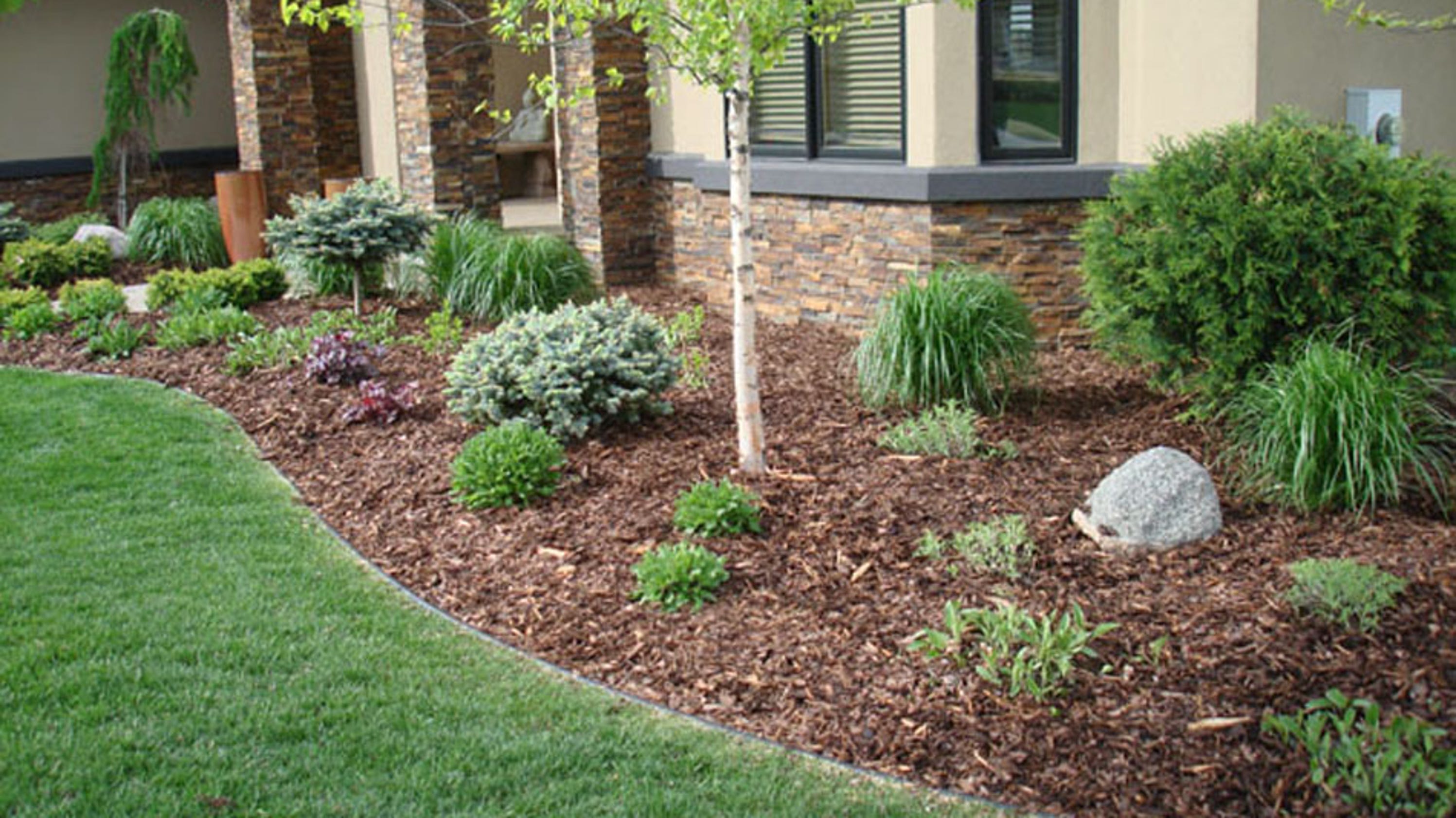
Hardwood bark, such as pine or cedar, is a popular choice. It provides a neutral color that works with any garden palette. Bark chips decompose slowly, so they remain effective for 2–3 years.
2. Compost
Compost is a nutrient‑rich mulch that feeds plants directly. It also improves soil structure. Fresh compost should be spread 2–3 inches thick on beds.
3. Shredded Leaves
Leaves are inexpensive and abundant. They break down quickly, enriching the soil. Pair shredded leaves with other mulches for best results.
4. Grass Clippings
Grass clippings are ideal for lawns, but they can also mulch beds. Use them sparingly, as they can mat down and become slimy if too wet.
5. Pine Needle Mulch
Pine needles create a slightly acidic environment, which many flowering plants prefer. They also add a rustic, woodland look.
Synthetic Mulch Alternatives
1. Landscape Fabric
Landscape fabric blocks weed growth and retains moisture. It lasts 5–10 years but can become brittle in hot climates.
2. Rubber Mulch
Rubber mulch is made from recycled tires. It’s non‑toxic, durable, and retains color. However, it does not decompose and may leach heavy metals.
3. Plastic Mulch Sheets
These sheets are easy to install and provide excellent weed control. They are not biodegradable and can trap heat around roots.
Comparing Mulch Types: A Quick Reference
| Mulch Type | Longevity | Water Retention | Weed Control | Cost |
|---|---|---|---|---|
| Hardwood Bark | 2–3 years | High | Excellent | Medium |
| Compost | 1–2 years | Very High | Good | Low |
| Shredded Leaves | 6–12 months | High | Moderate | Very Low |
| Grass Clippings | 3–6 months | Very High | Good | Very Low |
| Pine Needles | 1–2 years | High | Excellent | Medium |
| Landscape Fabric | 5–10 years | Moderate | Excellent | High |
| Rubber Mulch | 5–10 years | Low | Very Good | High |
| Plastic Sheets | 5–10 years | Low | Excellent | Medium |
Pro Tips for Applying the Best Mulch
- Prep the Bed: Remove weeds and loosen soil before laying mulch.
- Layer Wisely: Place 2–3 inches of mulch on top of a layer of weed barrier if using synthetic mulch.
- Mind the Edges: Keep mulch at least 2 inches from plant stems to avoid rot.
- Reapply Annually: Top up mulch each spring to maintain thickness.
- Mix Types: Combine natural and synthetic mulches for best weed control and aesthetics.
- Use Composted Mulch for Fertility: Add a thin layer of compost beneath or mixed with mulch for extra nutrients.
- Check Moisture: Water newly mulched beds until mulch is damp to kickstart decomposition.
- Keep It Clean: Remove fallen leaves from under mulch to prevent mold.
Frequently Asked Questions about Best Mulch for Flower Beds
What is the most durable mulch for flower beds?
Hardwood bark and synthetic options like landscape fabric are the most durable, lasting up to 3–5 years with proper care.
Can I use cardboard under mulch?
Yes, cardboard is effective as a weed barrier. Lay it under mulch to block weed growth for up to 2 years.
Will mulch attract pests?
Compost and shredded leaves may attract termites or worms if left too thick. Keep mulch 2–3 inches and reapply annually.
Is pine needle mulch acidic?
Yes, pine needles are slightly acidic (pH 4.5–5.5), which benefits acid-loving plants like azaleas and rhododendrons.
How often should I replace mulch?
Natural mulches should be replaced every 1–3 years, while synthetic mulches last 5–10 years but may need replacement if damaged.
Can mulch help reduce summer heat?
Mulch moderates soil temperature, keeping roots cooler during hot months. It can lower soil temperature by 10–15°F.
Does mulch improve soil structure?
Yes, decomposing mulches add organic matter, improving drainage and nutrient retention.
What’s the best mulch for drought‑prone gardens?
Hardwood bark and compost are ideal. They hold moisture and reduce evaporation, saving water.
How do I choose mulch for a vegetable garden?
Compost or finely shredded leaves are best. They feed plants while suppressing weeds.
Can mulch be used in winter?
Yes, mulch insulates soil, protecting roots from freeze‑thaw cycles. Apply in late summer.
Conclusion
Choosing the best mulch for flower beds transforms a simple garden into a vibrant, low‑maintenance oasis. Whether you prefer natural bark, nutrient‑rich compost, or long‑lasting synthetic films, there’s a mulch that fits your plants, climate, and budget.
Now that you know the top options, the next step is to test a few in your own beds. Observe how they affect moisture, weeds, and plant health. Happy mulching!

