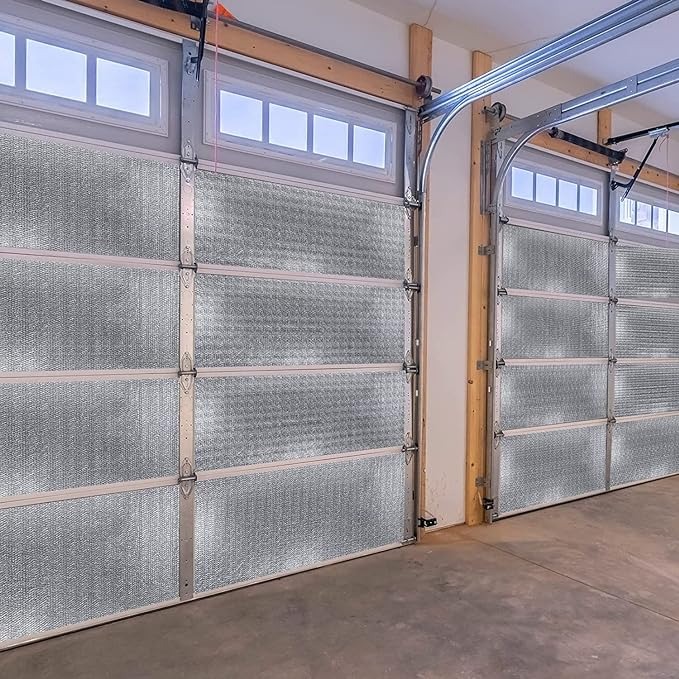
When homeowners think about energy savings, the garage often gets ignored. Yet a properly insulated garage can lower heating bills, protect stored items, and create a comfortable workspace. In this guide, we’ll explore the best insulation for garage walls, compare materials, and share pro tips to help you choose the right solution.
Whether you’re a DIY enthusiast or planning a professional remodel, understanding the pros and cons of each insulation type will save you money and time. Let’s dive into the top options and decide which one fits your garage needs.
Why Garage Wall Insulation Matters
Energy Efficiency and Cost Savings
Insulating garage walls reduces heat transfer, keeping the space warmer in winter and cooler in summer. This can cut heating and cooling costs by up to 20% for homes with attached garages.
Protecting Stored Items
Temperature swings can damage tools, paint, and electronics. Insulation maintains a stable environment, preserving the value of your belongings.
Improving Home Comfort
A well-insulated garage can serve as a mudroom, workshop, or living area. Lower temperature differences improve air quality and comfort for occupants.
Roll‑Up Rigid Foam Panels: The Most Popular Choice
What Is Rigid Foam?
Rigid foam panels are high‑density boards made from polystyrene or polyisocyanurate. They are lightweight, easy to install, and provide excellent R‑value per inch.
Pros of Rigid Foam
- High R‑value per inch
- Moisture resistance
- Quick installation with minimal tools
Cons of Rigid Foam
Polystyrene can be flammable without a fire barrier. Some homeowners prefer natural alternatives.
Fiberglass Batt Insulation: Budget‑Friendly and Versatile
How Fiberglass Works
Fiberglass batt insulation consists of fine glass fibers forming a loose-fill material. It is sold in pre‑cut panels that fit standard wall frames.
Pros of Fiberglass
- Inexpensive and widely available
- Easy to handle with protective gear
- Can be used in both new construction and retrofits
Cons of Fiberglass
Improper installation creates gaps, reducing effectiveness. It can also irritate skin and lungs.
Spray Foam Insulation: The Ultimate Air Sealant
What Is Spray Foam?
Spray foam expands on application, sealing cracks and gaps. Closed‑cell foam offers a high R‑value and acts as a moisture barrier.
Pros of Spray Foam
- Excellent air sealing
- High R‑value in thin layers
- Creates a continuous moisture barrier
Cons of Spray Foam
Professional installation is often required. Costs are higher than other options.
Mineral Wool (Rockwool) for Fire Resistance
Characteristics of Mineral Wool
Made from natural stone or recycled slag, mineral wool provides superior fire resistance and sound dampening.
Pros of Mineral Wool
- Fire‑rated and non‑combustible
- Excellent thermal and acoustic properties
- Eco‑friendly if sourced from recycled materials
Cons of Mineral Wool
It is heavier than other insulations and can be more expensive.
Comparison Table: Key Insulation Options for Garage Walls
| Material | R‑Value per Inch | Cost per Sq Ft | Moisture Resistance | Fire Rating |
|---|---|---|---|---|
| Rigid Foam (Polyiso) | 6–7 | $0.60–$1.20 | High | Fire Barrier Needed |
| Fiberglass Batt | 3.5–3.8 | $0.20–$0.40 | Low | Non‑combustible |
| Spray Foam (Closed‑Cell) | 7–10 | $1.50–$3.00 | Very High | Fire Barrier Needed |
| Mineral Wool (Rockwool) | 4.5–5.0 | $0.70–$1.10 | Moderate | Fire‑Rated |
Pro Tips for Installing Garage Wall Insulation
- Measure Carefully – Always double‑check wall dimensions before purchasing.
- Use Vapor Barriers – Add a foil or polyethylene sheet on the warm side to prevent moisture buildup.
- Seal Gaps – Apply expanding foam or caulk around electrical boxes and doors.
- Ventilation is Key – Install a simple vent or fan to keep humidity in check.
- Apply Fire Safety Measures – If using polystyrene, add a fire‑stop coat or use a fire‑rated board.
Frequently Asked Questions about best insulation for garage walls
What R‑value do I need for my garage?
For most climates, an R‑value of 11–19 is recommended. Check local building codes for specific requirements.
Can I use the same insulation in my garage and living space?
Yes, but match R‑values and consider moisture and fire safety for each area.
Is spray foam cheaper than rigid foam?
Although spray foam has a higher upfront cost, its superior air sealing can reduce overall HVAC expenses.
Will insulation make my garage cooler in summer?
Yes, insulation slows heat transfer, keeping the garage cooler and reducing cooling costs.
How do I prevent mold with insulation?
Use vapor barriers, maintain ventilation, and choose moisture‑resistant materials like closed‑cell foam or mineral wool.
Can I install insulation myself?
Fiberglass and rigid foam panels are DIY‑friendly. Spray foam typically requires a professional.
What if my garage is already insulated?
Check R‑values and add a layer of high‑R foam or a reflective barrier if needed.
How do I choose between rigid foam and mineral wool?
Consider cost, fire rating, and moisture resistance. Rigid foam offers higher R‑value per inch, while mineral wool provides fire resistance.
Will insulation affect the resale value of my home?
Yes, energy‑efficient homes are more attractive to buyers and can command higher prices.
What are the environmental impacts of different insulations?
Mineral wool from recycled slag is highly eco‑friendly. Rigid foam uses petroleum products, while fiberglass is recyclable but may contain BPA.
Choosing the right insulation for garage walls can transform your space into a comfortable, energy‑efficient zone. By weighing pros and cons, understanding local codes, and following these pro tips, you’ll make a smart investment that pays off for years.
Ready to upgrade? Start with a quick assessment of your garage’s layout and climate, then select the insulation that best fits your budget and needs. A well‑insulated garage is a worthwhile upgrade—start today and enjoy the benefits for years to come.

