Building a new home is an exciting adventure, but it also requires careful planning of every component—from foundations to fixtures. One of the most critical decisions is choosing the best HVAC system for new construction. A well‑selected system keeps energy bills low, improves indoor air quality, and boosts curb appeal.
In this guide, you’ll discover the latest HVAC trends, learn how to match a system to your project’s needs, and compare the industry’s top models. Whether you’re a homeowner, builder, or contractor, the information below will help you make an informed, value‑driven choice.
Understanding the Foundations of a New Construction HVAC Choice
Why New Construction Needs a Different Approach
Newly built homes have tighter envelopes, different insulation levels, and modern design aesthetics. Conventional HVAC systems sometimes struggle with these changes, leading to higher operating costs.
Key Performance Metrics to Consider
- SEER (Seasonal Energy Efficiency Ratio)
- AFUE (Annual Fuel Utilization Efficiency)
- HSPF (Heating Seasonal Performance Factor)
- Load calculation accuracy
Focusing on these metrics ensures that the chosen system aligns with your building’s specifications.
Role of Building Codes and Green Standards
Local codes now mandate tighter energy efficiency and may require certifications like ENERGY STAR or LEED. Selecting a system that meets or exceeds these standards simplifies permitting and future resale value.
Top HVAC Technologies for Modern New Construction
Variable Speed Heat Pumps
Variable speed units adjust fan speed for quieter operation and better temperature control, making them ideal for sleek, quiet homes.
Geothermal Systems
Geothermal heat pumps tap into the earth’s stable temperature, offering high efficiency and zero outdoor noise—perfect for luxury builds.
Smart Thermostats and Zoning Controls
Integrating IoT devices allows homeowners to manage climate zones remotely, reducing waste and enhancing comfort.
Hybrid Models Combining Gas and Electric Efficiency
Hybrid furnaces switch between gas and electric heat, optimizing performance based on outdoor temperature and fuel cost.
High‑Capacity Mini‑Split Systems for Small Footprints
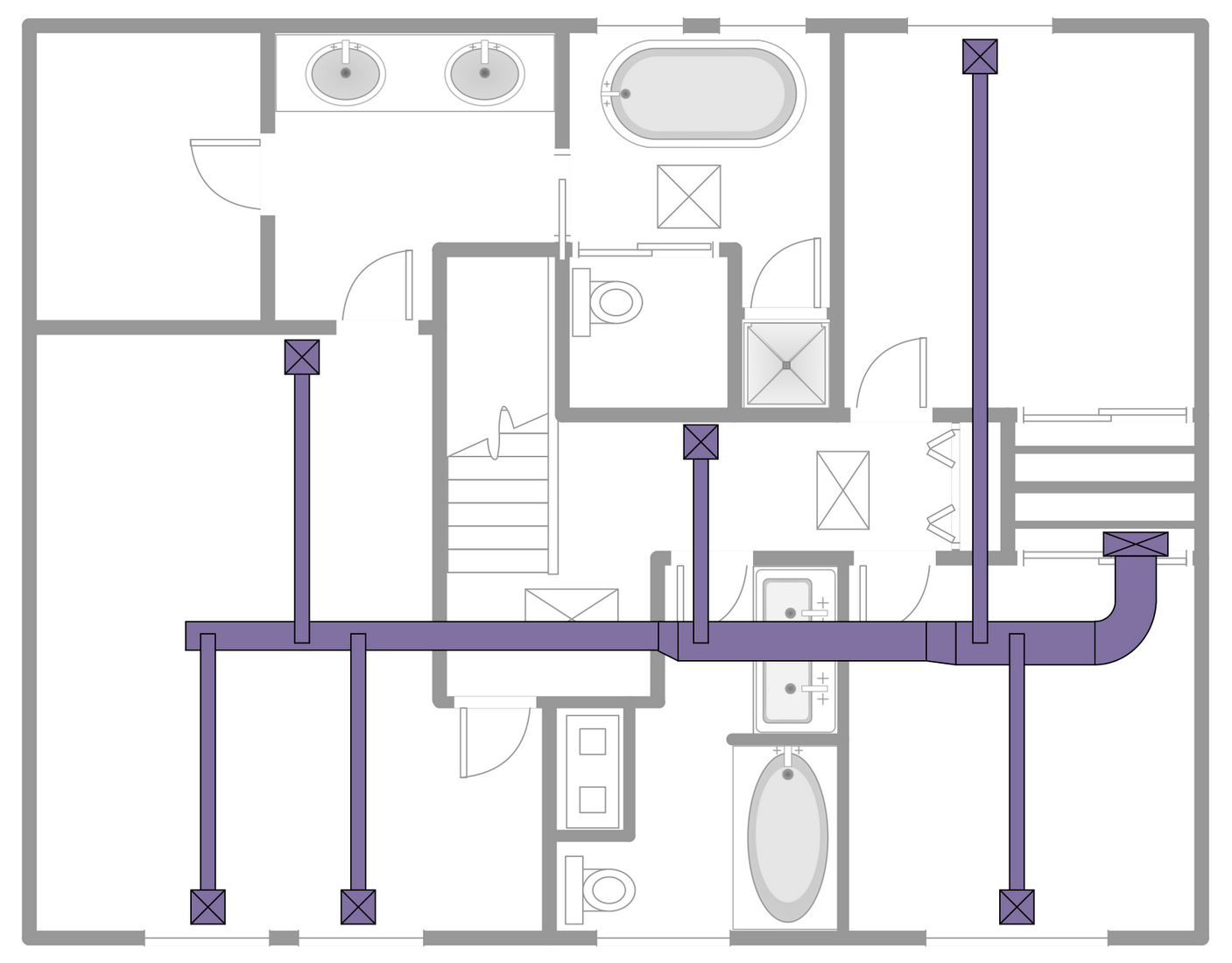
Mini‑splits provide zoned heating and cooling without running extensive ductwork, saving space and installation time.
These technologies collectively represent the best HVAC options for new construction projects in 2026.
How to Match a System to Your Home’s Design and Climate
Step 1: Conduct an Accurate Load Calculation
Use software like Manual J to determine precise heating and cooling loads based on square footage, window types, and insulation levels.
Step 2: Evaluate Climate Zones
Cold climates benefit from higher AFUE furnaces, while milder areas can lean on efficient heat pumps.
Step 3: Consider Building Envelope Quality
High‑performance walls and windows reduce duct leakage, allowing smaller, more efficient units to perform adequately.
Step 4: Plan for Future Expansion or Smart Home Integration
Leave room in the HVAC design for future smart devices or possible rooftop HVAC upgrades.
Following these steps ensures your new construction HVAC system delivers comfort, efficiency, and long‑term reliability.
Comparison Table: 2026 Best HVAC Systems for New Construction
| Brand / Model | Type | SEER / AFUE | HSPF | Noise (dBA) | Warranty |
|---|---|---|---|---|---|
| Trane XR16 | Variable‑Speed Heat Pump | 20 / 98% | 10.6 | 53 dBA | 20‑Year Condenser |
| Carrier Infinity 20 | Variable‑Speed Heat Pump | 21 / 98% | 10.6 | 51 dBA | 25‑Year Condenser |
| Rheem Prestige 19 | Geothermal | — / — | — | 40 dBA | 25‑Year Heat Pump |
| American Standard 23 | Hybrid Furnace | — / 95% | — | 55 dBA | 15‑Year Condenser |
| Daikin 17 | Mini‑Split | — / 96% | — | 48 dBA | 10‑Year Condenser |
Pro Tips for Selecting the Ideal System
- Always hire a certified HVAC designer to interpret load calculations accurately.
- Choose a unit with a digital scroll or smartphone app for remote monitoring.
- Request a 24‑hour service plan; it reduces repair costs over the system’s lifespan.
- Verify that the manufacturer offers ENERGY STAR certification.
- Consider roof‑mounted units only if the roof design allows for proper ventilation.
- Inspect duct sizing plans for proper airflow balance.
- Ask for a comparative cost analysis between variable speed and single speed units.
- Check if the system’s serial number is compatible with your local utility rebates.
- Plan for future HVAC expansion; choose modular systems that allow adding rooms.
- Schedule a pre‑installation inspection to identify potential site constraints.
Frequently Asked Questions about best hvac system for new construction
What is the most energy‑efficient HVAC system for a new home?
Variable‑speed heat pumps with SEER ratings of 20+ and HSPF over 10 are currently the most efficient for new constructions.
Can I install a geothermal system in a city apartment?
Geothermal units require enough land for ground loops; city apartments usually lack the space for horizontal loops.
Do new construction homes need ductwork?
Not always. Mini‑split and ductless systems are popular for small or open‑plan homes.
What warranties should I look for?
Look for at least a 10‑year compressor warranty and a 20‑year condensers warranty on modern heat pumps.
Is it worth investing in a smart thermostat?
Yes. Smart thermostats can reduce energy usage by up to 15% through adaptive scheduling.
How do I ensure proper ventilation in a new build?
Use dedicated exhaust fans, balanced ventilation, and ensure HVAC units are sized for the building’s air change rate.
Can I retrofit an older HVAC system into a new construction?
Retrofits are possible but may require duct modifications and may not meet new energy codes.
What are the typical upfront costs for a high‑efficiency HVAC system?
Costs range from $4,000 for a mini‑split to $12,000 for a geothermal system, depending on size and installation complexity.
Do I need to schedule installation during the heating season?
It’s best to install during the off‑season to avoid extreme temperatures affecting the system’s performance.
How long does HVAC installation usually take?
Installation time varies but typically ranges from 1–3 days for a single‑zone unit to 5–7 days for full ducted systems.
These answers help clarify common concerns when selecting the best HVAC system for new construction.
Choosing the right HVAC for a new build is more than a cost decision; it’s a long‑term investment in comfort, efficiency, and home value. By understanding your home’s unique needs, evaluating top technologies, and planning for future expansion, you ensure a system that performs optimally for years to come.
If you’re ready to start your new construction project or upgrade your HVAC, contact a certified installer for a free consultation today. Your future self will thank you for the comfort and savings.

