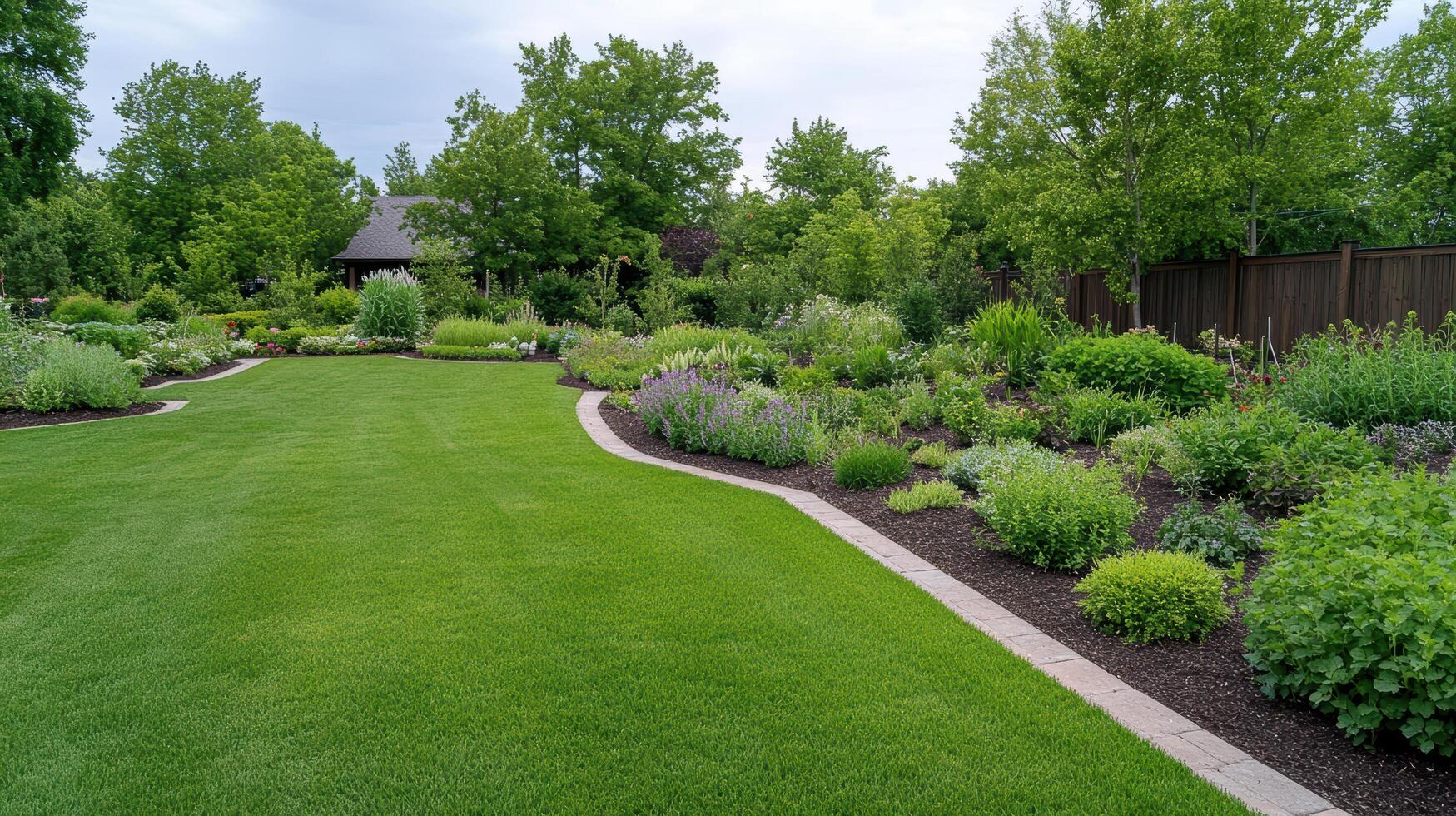
Massachusetts lawns face a unique blend of seasonal swings, cool summers, and cold winters. Choosing the right seed can mean the difference between a vibrant, resilient yard and one that looks patchy and tired. If you’re wondering which varieties will thrive in your backyard, you’ve landed in the right place.
This guide dives deep into the best grass seed for Massachusetts, covering climate considerations, seed blends, planting timelines, and maintenance tips. By the end, you’ll know exactly which seed to buy and how to give it the best start.
How Massachusetts Climate Shapes Grass Seed Choices
Cool‑Season vs. Warm‑Season Grasses
Massachusetts sits in USDA Zone 5a–7b, with cool summers and cold winters. Cool‑season grasses, such as Kentucky bluegrass, perennial ryegrass, and tall fescue, are naturally suited to these conditions. Warm‑season grasses like Bermuda or zoysia struggle during winter freezes.
Temperature Ranges and Seasonal Growth
Summer highs hover around 75–85°F, while winter lows dip below 0°F. Grasses that handle both moderate heat and cold are essential. A blend often works best, combining quick germination with winter hardiness.
Moisture and Drainage in New England Soil
Massachusetts soils can be clay‑heavy, holding water but draining slowly. Seeds that tolerate occasional standing water yet resist root rot are preferable. Adding organic matter can improve drainage and support seed establishment.
Top 5 Grass Seed Blends for Massachusetts Lawns
Kentucky Bluegrass & Perennial Ryegrass Mix
This classic blend offers rapid germination from ryegrass and deep roots from bluegrass. It establishes within 7–10 days, giving a quick green cover while bluegrass matures over the next few months.
- Quick start: 7–10 days
- Best for: High‑traffic areas
- Water needs: Moderate
Perennial Ryegrass & Tall Fescue Blend
Ryegrass gives instant color, while tall fescue’s deep taproot provides drought resistance. This mix is ideal for lawns that undergo heavy foot traffic.
- Germination: 10–14 days
- Best for: Shade tolerance
- Water needs: Low to moderate
Tall Fescue Single‑Variety Seed
Tall fescue thrives in Massachusetts’ clay soils and tolerates both hot and cold periods. Its coarse blades create a natural look, and its deep roots help it survive drought spells.
- Germination: 14–21 days
- Best for: Large lawns
- Water needs: Low
Fine‑Leaf Fescue (Expert Choice)
Fine‑leaf fescue produces a softer, finer texture. It’s especially popular in residential lawns or high‑maintenance areas where a lush, dense feel is desired.
- Germination: 10–14 days
- Best for: Suburban yards
- Water needs: Moderate
High‑Mature Kentucky Bluegrass (Premium Option)
This premium seed offers a thicker, more durable lawn. It requires a longer establishment period but rewards with an exceptional, professional finish.
- Germination: 21–30 days
- Best for: Low‑maintenance luxury lawns
- Water needs: Low
When to Plant: Timing for Massachusetts Lawns
Fall Planting Calendar
Planting in the early fall (September through early October) allows seeds to establish before winter. Soil temperatures around 50–65°F favor seed germination.
Spring Planting Alternatives
If fall planting was missed, spring (late March to early April) is a second window. However, early spring germination can result in weaker roots when summer heat hits.
Preparing the Soil Before Seeding
Rake the lawn to remove debris. Test pH; Massachusetts soils typically range from 6.0–7.0. Add lime or sulfur to adjust if needed.
Application Techniques for Optimal Results
Proper Seeding Rates
Read seed packet instructions. For blends, 2–4 pounds per 1,000 sq ft typically yields dense coverage.
Spreading Methods
Use a broadcast spreader for even coverage. For small yards, hand‑spreading or a feather seed spreader works well.
Watering Schedule Post‑Planting
Water lightly 4–5 times a day for the first two weeks, then reduce to once a day. Maintain soil moisture but avoid soggy conditions.
Maintenance Checklist for a Healthy Massachusetts Lawn
Mowing Height and Frequency
Mow to 2.5–3.5 inches. Taller cuts encourage deeper roots and shade out weeds.
Fertilization Timing
Feed in late summer (August) and early fall (September). Use a balanced NPK fertilizer with a higher nitrogen content.
Winter Care Tips
Rake leaves and avoid heavy traffic on frozen ground. Avoid applying chemicals that could freeze onto the lawn.
Comparison Table: Key Grass Seed Features for Massachusetts
| Seed Blend | Germination Time | Best For | Water Needs | Foot Traffic |
|---|---|---|---|---|
| Bluegrass & Ryegrass | 7–10 days | High traffic | Moderate | High |
| Ryegrass & Tall Fescue | 10–14 days | Shade | Low–moderate | Medium |
| Tall Fescue | 14–21 days | Large lawns | Low | Medium |
| Fine‑Leaf Fescue | 10–14 days | Residential | Moderate | Low |
| High‑Mature Bluegrass | 21–30 days | Luxury | Low | Low |
Pro Tips from Massachusetts Landscape Pros
- Test Soil pH before seeding; most Massachusetts lawns thrive at pH 6.5.
- Use a pre‑emergent herbicide in early spring to keep weeds at bay.
- Rotate seed blends each year to prevent fungal buildup.
- Apply mulch around edges to retain moisture during winter.
- Inspect for pests (e.g., grubs) and treat promptly.
Frequently Asked Questions about best grass seed for Massachusetts
What is the best time to plant grass seed in Massachusetts?
Early fall, from September to early October, is ideal because soil temperatures are still warm enough for germination but not so hot that the seedlings wilt.
Can I use Bermuda grass in Massachusetts?
Bermuda grass is a warm‑season variety and does not survive the cold winters typical in Massachusetts. Stick to cool‑season grasses.
How often should I water new seed in Massachusetts?
Water lightly 4–5 times a day for the first two weeks. Once seedlings emerge, reduce to once a day until the lawn is established.
Is it necessary to fertilize new grass seed?
Yes. Apply a starter fertilizer high in phosphorus to promote root growth during the first 6–8 weeks.
What if my lawn looks patchy after seeding?
Uneven coverage often results from inconsistent seeding rates or poor soil preparation. Re‑seed thin spots and ensure even moisture distribution.
How do I protect my lawn from winter damage?
Rake leaves, avoid heavy traffic on frozen ground, and apply a light cover crop to protect roots from freeze‑thaw cycles.
What are the benefits of mixing ryegrass with other seed blends?
Ryegrass germinates quickly, giving instant color, while other grasses build deeper roots for long‑term resilience.
Can I use organic seed blends for my Massachusetts lawn?
Yes. Organic blends are available and often contain certified organic fertilizers, though they may require slightly more care.
How long does it take for a Massachusetts lawn to fully mature?
It typically takes 6–12 months for the lawn to reach full density, depending on the seed blend and maintenance practices.
Should I aerate my lawn before seeding?
Yes. Aeration improves soil compaction, enhances root growth, and facilitates better seed-to-soil contact.
Now you’re equipped with the knowledge to choose the best grass seed for Massachusetts and turn your yard into a lush, resilient green space. Start your seeding project this season, keep these expert tips in mind, and watch your lawn thrive all year long.
Happy planting, and may your Massachusetts lawn stay green and gorgeous!

