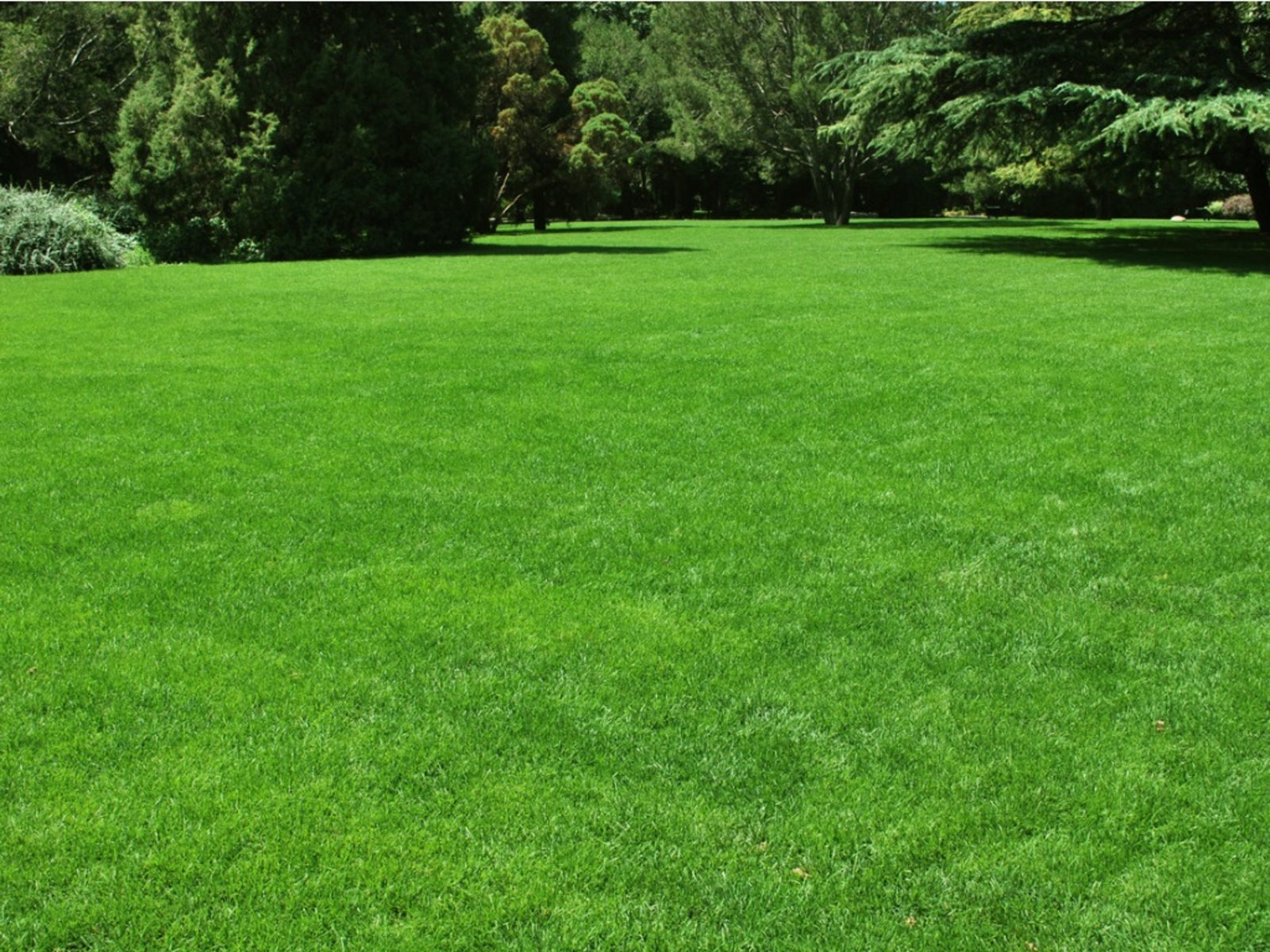
Imagine stepping outside into a lawn that stays lush and vibrant, even on the most unforgiving sandy soil. If you’ve struggled to keep your yard green, you’re not alone. Many homeowners in arid regions face the same challenge. The good news? With the right grass variety and care, you can transform sandy patches into a thriving, resilient lawn.
This guide dives into the best grass for sandy soil, covering everything from the ideal species to planting tips, maintenance routines, and troubleshooting common problems. By the end, you’ll know which grass to choose and how to keep it thriving year‑after‑year.
Why Choosing the Right Grass Matters for Sandy Soil
Understanding Soil Drainage and Moisture Retention
Sandy soil drains quickly, often leaving grass roots exposed to drought stress. Selecting a drought‑tolerant species is key. These grasses have deep root systems that access moisture below the surface.
Adapting to Nutrient Levels and pH
Sand typically has low nutrient content and a neutral to slightly alkaline pH. Grass varieties that thrive in these conditions require minimal fertilization. Knowing the soil’s pH helps you choose the right amendment if needed.
The Economic and Environmental Benefits
A well‑chosen grass reduces water usage, lowers maintenance costs, and minimizes the need for chemical inputs. It also supports local wildlife by providing a natural habitat.

Top 7 Grass Varieties for Sandy Soil
1. Buffalo Grass – The Ultimate Drought Tolerant
Buffalo grass is native to North America and thrives in sandy, well‑drained soils. Its deep roots provide excellent moisture access.
Key benefits include low water needs, high tolerance to heat, and minimal mowing requirements.
2. Zoysia Grass – Dense and Resilient
Zoysia forms a tight mat of fine blades, making it perfect for sandy beds. It tolerates both drought and heavy foot traffic.
It does require a longer establishment period but pays off with a thick, carpet‑like finish.
3. Bermuda Grass – Heat and Drought Champion
Bermuda grass is ideal for warm climates with sandy soils. It spreads quickly through rhizomes and crowns, filling gaps efficiently.
Its tolerance to foot traffic makes it suitable for family lawns.
4. Tall Fescue – Cool‑Season Performer
If you live in a temperate zone, tall fescue’s deep roots allow it to survive in less fertile sandy soils.
It remains green in cooler months and tolerates shade better than other cool‑season types.
5. Kikuyu Grass – Rapid Growth
Kikuyu spreads aggressively, which is great for covering sandy areas quickly. It thrives in warm climates.
Control is needed to prevent it from overtaking garden beds.
6. Centipede Grass – Low Maintenance
Centipede grass is ideal for those who want a low‑maintenance lawn. It tolerates sandy soil well and doesn’t require much fertilization.
However, it prefers acidic soils, so a soil test is recommended.
7. Creeping Red Fescue – Shade Tolerant Option
For sandy lawns with partial shade, creeping red fescue provides a fine texture and good shade tolerance.
It’s also drought tolerant when established properly.
How to Prepare Sandy Soil for Grass Installation
Testing and Amending Soil pH
Start with a soil test kit to determine pH and nutrient levels. Sandy soil often leaches nutrients quickly.
Apply lime to raise pH above 6.0 or sulfur to lower it if needed.
Incorporating Organic Matter
Mix compost or well‑decomposed manure into the top 6–8 inches of soil. This improves moisture retention and provides essential nutrients.
Aim for a 2–3 inch layer before planting.
Improving Drainage and Aeration
Use a core aerator to relieve compaction. This allows roots to penetrate deeper.
Consider installing a drainage system if water pooling is a problem.
Planting and Establishing Your Sandy Lawn
Seeding vs. Sodding: The Best Approach
Seeding is cost‑effective but takes longer to establish. Sodding offers instant coverage and quick results.
Choose based on budget and time constraints.
Optimal Planting Times
Late spring or early fall is ideal for warm‑season grasses like Bermuda and Zoysia.
Cool‑season grasses perform best in late summer or early fall.
Watering Strategies for New Plantings
Water lightly but frequently in the first week. Gradually reduce frequency while increasing depth.
Use a rain gauge to avoid overwatering.
Maintenance Tips for Long‑Term Success
Mowing Practices
Mow at the highest recommended height for the grass species. This encourages deeper roots and reduces water loss.
Always keep mower blades sharp to avoid ragged cuts.
Fertilizing Schedule
Apply a balanced, slow‑release fertilizer in early spring and again in late summer.
Follow label instructions to avoid over‑fertilization.
Weed Control
Use pre‑emergent herbicides in late winter to prevent weed germination.
Spot‑treat weeds with post‑emergent herbicides as needed.
Addressing Common Problems
Watch for yellowing blades, which may indicate nutrient deficiencies.
Inspect for signs of root rot in poorly drained areas.
| Grass Type | Best Climate | Water Needs | Maintenance Level |
|---|---|---|---|
| Buffalo Grass | Warm, Arid | Low | Low |
| Zoysia | Warm, Subtropical | Moderate | Moderate |
| Bermuda | Warm | Moderate | High |
| Tall Fescue | Cool | High | High |
| Centipede | Warm | Low | Low |
Expert Pro Tips for a Stunning Sandy Lawn
- Use a seed‑to‑soil ratio of 1:3 for optimal seed coverage.
- Apply a light mulch of shredded leaves to reduce evaporation.
- Install a drip irrigation system for precise water delivery.
- Rotate mower blades every 12–18 months to maintain sharpness.
- Test soil annually to adjust pH and nutrients.
Frequently Asked Questions about best grass for sandy soil
What is the easiest grass to grow on sandy soil?
Buffalo grass is often cited as the easiest due to its low water and fertilizer requirements.
Can I use regular lawn fertilizer on sandy soil?
Use a balanced, slow‑release fertilizer. Sandy soil leaches nutrients quickly, so frequent small applications are better than large doses.
How often should I water a newly sodded lawn on sandy soil?
Water once daily for the first week, then gradually reduce to twice a week, ensuring deep penetration.
Will my lawn stay green in the winter if I plant a warm‑season grass?
Warm‑season grasses may go dormant in cold months. Consider adding a cool‑season grass mix for year‑round color.
What are common signs of poor drainage in sandy lawns?
Watery patches, standing water after rain, or slow drying times indicate drainage issues.
How can I prevent weeds in sandy soil?
Apply pre‑emergent herbicides in late winter and keep the lawn healthy with proper mowing and fertilization.
Do I need to level sandy soil before planting grass?
Yes, level the soil to create an even surface, which helps with mowing and reduces erosion.
Is it worth installing a drip irrigation system for sandy lawns?
Absolutely. Drip irrigation delivers water directly to the root zone, conserving water and reducing runoff.
Can I plant a mixed lawn with both warm‑season and cool‑season grasses?
Yes, a hybrid mix can provide year‑round coverage but may require more careful maintenance.
What is the best time of year to re‑seed a sandy lawn?
Late spring or early fall depending on the grass type—warm‑season grasses in late spring and cool‑season grasses in late summer.
Choosing the best grass for sandy soil is more than picking a color; it’s about selecting a resilient species that thrives in your unique conditions. By preparing your soil, selecting the right variety, and maintaining it wisely, you can enjoy a lush, low‑maintenance lawn that adds beauty and value to your home.
Ready to transform your yard? Start by testing your soil today and pick your grass from the list above. Your lawn—and your wallet—will thank you.

