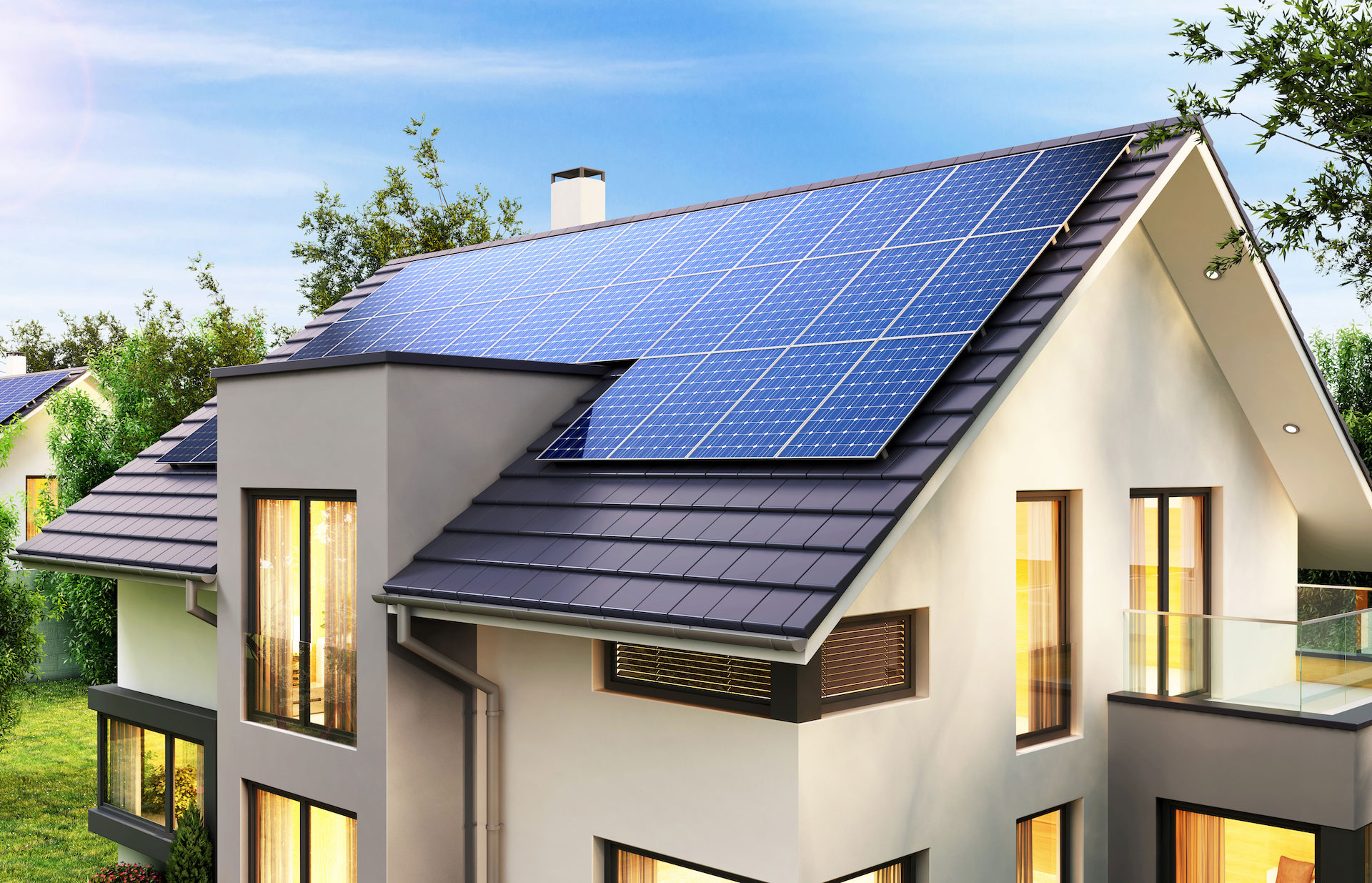
When you’re thinking about installing solar panels, you’ll immediately wonder about the most important factors to consider. The angle, the shade, the type of panels—each plays a role in how much electricity you generate. Yet one of the simplest, yet most critical decisions is the best direction for solar panels. This choice can determine whether you harvest more energy or miss out on potential savings.
In this guide, we’ll break down the science behind solar orientation, show you how to calculate the ideal angle for your roof, and give you real‑world examples that prove the difference a few degrees can make.
By the end, you’ll know exactly how to position your panels for peak performance, how to tweak the installation for different seasons, and how to avoid common pitfalls that can reduce efficiency by up to 30%.
Why Direction Matters: The Basics of Solar Energy Capture
Sun Path and Solar Geometry
The sun’s path across the sky is not random. It follows a predictable arc that shifts slightly each day and each season. Understanding this path helps you choose a panel orientation that stays close to the sun’s peak position throughout the year.
When panels face directly toward the sun, they intercept the maximum amount of solar radiation. On a North‑hemisphere roof, that means a south-facing tilt. In the Southern Hemisphere, the opposite applies: panels should face north.
Latitude’s Role in Optimal Direction
Your roof’s latitude determines the sun’s altitude and azimuth angles. A higher latitude (closer to the poles) experiences lower sun angles, especially in winter. Panel orientation must compensate for this to maintain consistent energy output.
For example, a homeowner at 45° latitude will find that a 30° tilt toward the south yields the best balance between summer and winter production. A 60° latitude home would need a steeper angle to catch the lower winter sun.
Seasonal Variations and Tracking Systems
Fixed‑tilt panels can’t follow the sun’s daily movement, but they can be angled for seasonal peaks. Some systems use single or dual-axis trackers that rotate panels to follow the sun’s path, increasing output by 15–25% compared to fixed installations.
While trackers add cost, they’re ideal for flat roofs or areas with high solar potential where every watt counts.
Calculating the Ideal Tilt Angle for Your Roof
Using Simple Rules of Thumb
A quick rule of thumb: set the tilt equal to your latitude. For most U.S. locations, this gives a good year-round balance.
- Latitude 30° → Tilt 30°
- Latitude 45° → Tilt 45°
- Latitude 60° → Tilt 60°
Adjust by ±10° for seasonal optimization: tilt 10° higher for winter, 10° lower for summer.
Employing Solar Calculators and Software
Online tools—such as the National Renewable Energy Laboratory’s solar calculator—allow you to input exact latitude, roof orientation, and shading data to generate precise tilt recommendations.
These calculators also factor in local climate data, ensuring your panels face the sun’s average position rather than a theoretical optimum.
Accounting for Roof Pitch and Structural Limitations
Many roofs already have a fixed pitch. If the roof is already angled toward the sun, you may need no additional tilt. However, if the roof faces the wrong direction, you might consider installing a mounting system that can offset the angle.
Structural engineers can assess whether your roof can support the additional load of a tracker or a steeper tilt without compromising safety.
Overcoming Common Shading Issues
Identifying Shade Sources
Trees, neighboring buildings, chimneys, and even HVAC units can cast shadows on your panels. Even a 20% shadow can significantly reduce output.
Use a shadow analysis, either manually with a rain gauge and a sun path diagram or with software that simulates shadows at different times of day.
Pruning and Relocation Strategies
Prune or trim trees that encroach on panel angles. If the shading is unavoidable, consider relocating panels to a clearer roof section or using pole mounts that elevate panels above obstacles.
In some cases, installing a partial shade‑tolerant panel array can mitigate losses, though it’s less efficient than a fully unshaded setup.
Optimizing for Winter Sunlight
During winter, the sun sits lower in the sky. Panels angled too steeply might be shaded by trees that were clear in summer. Adjusting tilt by 10–15° upward can rescue winter output.
Similarly, check for winter snow loads; steeper angles help snow slide off, maintaining panel exposure.
Real‑World Examples: Homes That Made the Difference
Case Study 1: A 30° Latitude Home
John in Austin, Texas installed panels tilted at 30°. By aligning them exactly south and adjusting the tilt by +10° for winter, he saw a 12% increase in annual output.
His monthly bill dropped from $120 to $75, saving him nearly $1,800 per year.
Case Study 2: A 55° Latitude Apartment
Maria in San Francisco, California, faced a north‑facing roof. She mounted panels with a 35° tilt toward the south, using a single-axis tracker. Her system produced 18% more kWh than a fixed‑tilt alternative.
She credited the tracker for being especially valuable during cloudy winter months.
Case Study 3: A Flat‑Roof Commercial Building
TechCorp in Chicago installed a dual‑axis tracker on their flat roof. The tracking system increased energy capture by 22% over the year, reducing their grid dependency by 30% and earning a $15,000 tax credit.
They also installed a PV monitoring dashboard for real‑time performance insights.
Data Table: Tilt Angles vs. Energy Gain (U.S. Average)
| Latitude (°) | Fixed Tilt (°) – Standard | Adjusted Tilt (°) – Seasonal | Energy Gain (%) |
|---|---|---|---|
| 30 | 30 | 20 (summer), 40 (winter) | +10% |
| 45 | 45 | 35 (summer), 55 (winter) | +12% |
| 60 | 60 | 50 (summer), 70 (winter) | +8% |
Pro Tips for Maximizing Solar Panel Output
- Use a solar path diagram before installation to visualize shading.
- Consider single‑axis tracking if you have a budget for higher upfront costs.
- Schedule annual maintenance to clean panels and ensure no new shade develops.
- Install monitoring software to spot drops in performance quickly.
- Check local building codes for restrictions on mounting angles and heights.
Frequently Asked Questions about best direction for solar panels
What is the best direction for solar panels in the Northern Hemisphere?
South. Panels should face true south to capture the maximum solar radiation throughout the year.
Do solar panels need to face exactly south to be efficient?
No. A tolerance of 5–10° west or east is acceptable and still yields high output.
How does latitude affect panel orientation?
Latitude determines the sun’s altitude. The tilt angle often equals the latitude for balanced year-round performance.
Is it worth installing a tracking system?
For high‑solar sites or commercial installations, trackers can add 15–25% more energy, offsetting higher upfront costs.
What should I do if my roof is shaded most of the day?
Consider repositioning panels, pruning shade‑creating trees, or using pole mounts to elevate panels above the shade.
Can I install panels on a flat roof facing north?
Yes, but you’ll need a steeper tilt or a tracking system to compensate for the lower sun angle.
Do solar panels work in winter?
Yes. Adjusting the tilt to a lower angle (10–15°) helps panels capture the low winter sun more effectively.
What’s the best time of day for solar panels to operate?
Midday, when the sun is highest, delivers peak irradiance. However, panels produce power throughout the day, especially during morning and late afternoon.
How do I know if my roof can support a tracker?
Consult a structural engineer to evaluate load capacity and ensure compliance with local building codes.
Do I need to adjust the tilt angle every year?
Only if significant changes occur—such as new shade sources, roof repairs, or climatic shifts.
By paying attention to the best direction for solar panels and aligning your system with these guidelines, you’ll unlock the full potential of your solar investment. Start with a clear orientation, fine‑tune the tilt, protect against shading, and consider tracking for maximum gains.
Ready to boost your energy independence? Contact a certified installer today to evaluate your roof and get a customized plan that turns sunlight into savings.

