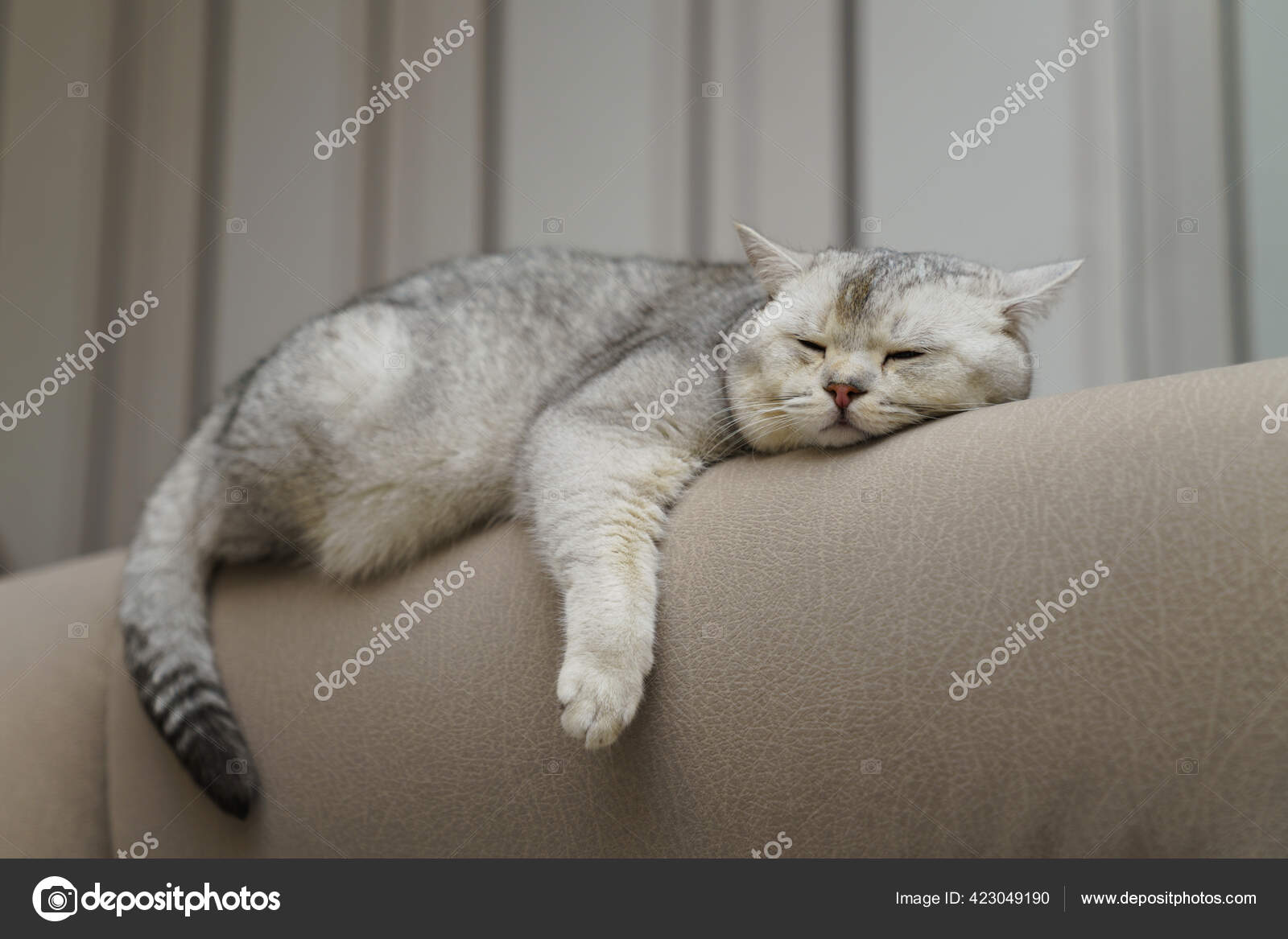
Do you hate seeing paw prints and fur on your sofa? If you’re a cat owner, choosing the right couch fabric is a game‑changer. The best couch fabric for cats can keep your furniture looking fresh while giving your feline friend a comfy spot to chill. In this guide, we’ll examine the top fabrics, compare their pros and cons, and give you a clear path to the perfect match for your home.
We’ll cover durability, stain resistance, pet‑friendly softness, and style. By the end, you’ll know exactly which fabric will survive claws, shedding, and accidental spills—plus how to care for it so it stays new for years.
Why Fabric Matters for Cat Owners
Claw Damage and Wear
Cats love to scratch, and their claws can gouge fabric quickly. Thick, tightly woven materials resist deep scratches better than sheer or lightweight options.
Fur Accumulation and Allergies
Fur clinging to fabric can lead to shedding in the house and potential allergies. Certain fibers trap less hair, making cleaning easier.
Stain and Odor Resistance
Accidental spills—water, juice, play food—are common. A highly stain‑resistant fabric will keep your sofa looking pristine and reduce the need for heavy cleaning.
Comfort for Both You and Your Cat
While you need a smooth surface, cats prefer a slightly textured feel that offers traction. The right balance keeps them happy and safe.
Top 7 Fabrics: Durability, Comfort, and Style

Microfiber
Microfiber is a synthetic blend that is highly durable and stain‑resistant. Its tight weave makes it difficult for claws to penetrate, and the fibers repel water.
Pros: affordable, easy to clean, pet‑friendly. Cons: may feel slightly slick to some cats.
Leather
Full‑grain leather offers a sleek appearance and excellent scratch resistance. It’s also easy to wipe clean.
Cons: more expensive, can feel cold in winter, and some cats dislike the texture.
Linen
Linen is breathable and natural, but its looser weave is less ideal for claw damage. It’s best for light use or cats that don’t scratch often.
Polyester Blends
Polyester fabrics are strong and often treated with anti‑spill coatings. They’re versatile and come in many colors.
Cotton
Cotton is soft and natural, but it tends to show stains and hair. It’s better for low‑traffic areas.
Velvet
Velvet looks luxurious and can hide fur, but its plush pile can trap hair and be hard to clean after spills.
Recycled Nylon
Eco‑friendly and tough, recycled nylon resists scratches and is often treated with anti‑stain finishes.
Performance Comparison Table
| Fabric | Scratch Resistance | Stain & Odor Control | Maintenance | Price Range |
|---|---|---|---|---|
| Microfiber | High | Excellent | Low | $200–$400 |
| Leather | Very High | Excellent | Medium | $500–$1200 |
| Linen | Low | Good | Medium | $250–$600 |
| Polyester Blend | High | Very Good | Low | $180–$350 |
| Cotton | Medium | Moderate | High | $150–$300 |
| Velvet | Low | Good | High | $300–$700 |
| Recycled Nylon | High | Excellent | Low |
Pro Tips for Choosing & Maintaining Cat‑Friendly Sofas
- Test a small sample in your lighting to see how the fabric reacts to sunlight and shadows.
- Look for fabrics with a “pet‑friendly” label or anti‑scratching finish.
- Apply a protective spray that is safe for cats but blocks stains.
- Use washable slipcovers for extra protection during playtime.
- Trim your cat’s nails regularly; shorter nails mean less damage.
- Place a soft rug or blanket near the sofa to attract fur to a single spot.
- Schedule a deep clean every 3–6 months to keep fibers fresh.
- Consider a fabric with a slight texture; it gives cats traction and reduces slips.
Frequently Asked Questions about best couch fabric for cats
What is the most durable fabric for a cat’s claws?
Microfiber, leather, and recycled nylon are top choices because their tight weave and hardness resist scratching.
Can leather hurt a cat’s paws?
Full‑grain leather is smooth and usually safe. However, some cats may dislike the slick surface, so observe their reaction first.
How do I clean cat hair from a microfiber sofa?
Use a lint roller or a vacuum with a upholstery attachment. Microfiber’s texture traps hair, making it easy to remove.
Is polyester a good choice for a cat that drinks water?
Yes, polyester blends often have water‑repellent finishes, keeping spills from soaking in.
Will a velvet couch show cat fur more than other fabrics?
Velvet’s plush pile can trap hair, but it also hides fur in small pockets, so it can appear cleaner if cleaned regularly.
What maintenance is required for a recycled nylon sofa?
Recycled nylon is low‑maintenance: spot‑clean with mild soap and a damp cloth. It resists stains and dries quickly.
Can a cat scratch a sofa with a strong anti‑scratching finish?
Anti‑scratching coatings help, but determined cats with sharp claws can still cause damage over time.
Should I use a slipcover on a cat‑friendly sofa?
Yes, a washable slipcover protects the fabric and simplifies cleaning, especially for high‑traffic areas.
What color should I pick to hide fur and stains?
Dark, medium‑toned colors like charcoal, navy, or deep green tend to mask fur and smudges better than light hues.
Will a cat’s fur dry out the fabric over time?
Fur itself does not dry out fabric, but shedding can accumulate. Regular vacuuming and lint roller use will keep the sofa looking new.
Choosing the right couch fabric for cats doesn’t have to be daunting. By focusing on durability, stain resistance, and ease of cleaning, you’ll protect your investment and give your feline friend a comfy spot to relax.
Ready to upgrade? Visit our comprehensive sofa shop for the latest models that combine style, comfort, and pet‑friendly resilience. Treat your couch—and your cat—to the best.

