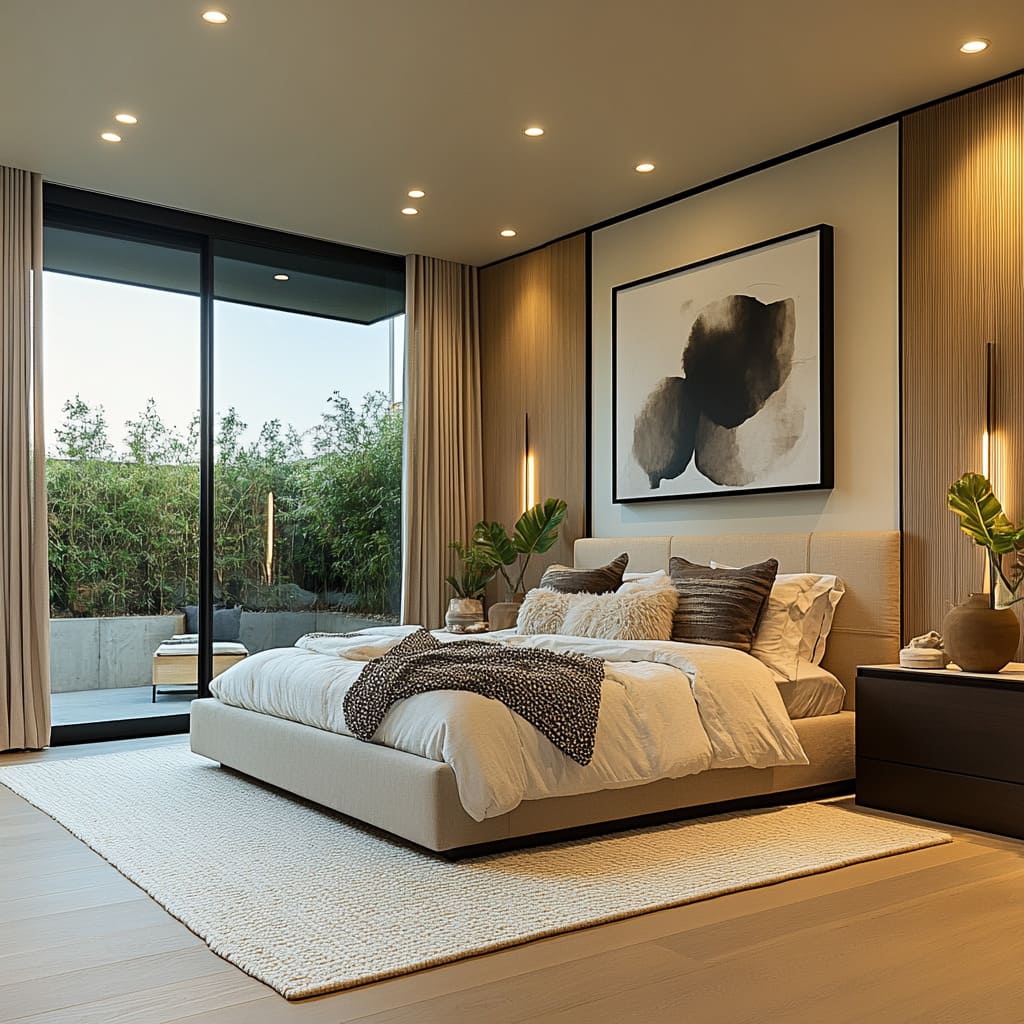
When you step into a home, the first thing many notice is the color of its interior doors. A well‑chosen hue can elevate style, reinforce a theme, and even influence mood. But with so many shades competing for attention, how do you pick the best color for interior doors that suits both your décor and personal taste? In this guide, we’ll uncover the top trends, timeless classics, and practical tips that help you make an informed decision.
From subtle neutrals to bold accents, we’ll explore how color choices affect space, how to match hardware, and the psychological impact of different tones. Whether you’re redecorating a single room or renovating an entire house, this article delivers actionable insight to help you choose the perfect door color that looks great and feels right.
Understanding Color Psychology for Interior Doors
How Colors Influence Mood
Research shows that colors can subtly affect emotions. Cool tones like blue or green tend to calm, whereas warm hues such as red or orange energize a room.
When selecting a door color, consider the room’s primary function. A bedroom may benefit from a cool, soothing shade, while a living room could use a more vibrant tone to spark conversation.
Light and Shadow Play
Door color interacts with natural and artificial light. Lighter shades reflect light, making a room feel brighter and larger. Darker colors absorb light, adding depth and coziness to smaller spaces.
Test swatches in different lighting conditions to see how the color changes over the day.
Room Size and Proportion
A massive door in a tiny room can dominate the space. Choose a color that balances the door’s visual weight with the room’s scale.
Neutral tones are great for large doors in small rooms; they create harmony without overwhelming the space.
Top 5 Trending Door Colors for 2026

Soft Sage Green
Sage is a versatile, muted green that pairs well with both contemporary and traditional décor.
It adds a touch of nature without being overpowering.
Muted Teal
Teal balances blue and green, creating a calming yet sophisticated look.
Great for bathrooms or bedrooms.
Warm Taupe
Taupe offers subtle warmth and works beautifully with neutral walls.
It’s a safe choice for high‑traffic areas.
Pastel Blush
Soft pink tones bring a gentle, feminine vibe to kitchens or entryways.
When paired with white hardware, it feels fresh and modern.
Classic Charcoal Gray
Gray is timeless and frames any interior style.
It works well in minimalist designs and pairs with bold accents.
Neutral Foundations: Why White and Off‑White Still Rule
White: The Classic Choice
White doors create a clean, timeless look that blends seamlessly with any décor.
They reflect light, making rooms appear larger and brighter.
Off‑White Variants
Ivory, cream, and eggshell add warmth while maintaining neutrality.
They are forgiving with stains and mold, which is helpful in damp areas.
Adding Texture to Neutrals
Finish matters: matte, satin, or semi‑gloss can dramatically alter a neutral door’s appearance.
Glossy finishes shine in high‑contrast spaces.
Bold Accents: When to Paint Your Doors Vibrantly
Choosing the Right Accent Color
Accent colors should complement, not clash, with the surrounding walls.
Use a color wheel to pick complementary tones.
Hardware Compatibility
Metallic hardware contrasts beautifully with dark, bold door colors.
Gold or brass works with warm shades, while silver or black pairs with cooler hues.
Avoiding Over‑Coloration
Limit bold colors to one door in a room to prevent visual chaos.
Use accent doors in entryways or bathrooms for a splash of character.
Practical Tips for Painting Interior Doors
- Prep the surface by sanding and cleaning for a smooth finish.
- Prime before painting, especially on dark or uneven surfaces.
- Apply two thin coats rather than one thick coat to reduce drips.
- Let the door dry fully before installing hardware.
- Choose low‑VOC paint for healthier indoor air.
Color Comparison Table: Door Paint Performance
| Color | Best Room Type | Light Interaction | Durability Notes |
|---|---|---|---|
| White | All rooms | Reflects light, brightens space | Easy to touch up, resists stains |
| Charcoal Gray | Modern living rooms, bathrooms | Absorbs light, adds depth | Resistant to dust, may show fingerprints |
| Soft Sage Green | Bedrooms, living rooms | Softly reflects natural light | Stable, minimal color shift |
| Pastel Blush | Entryways, kitchens | Radiates gentle brightness | Requires regular cleaning to maintain glow |
| Muted Teal | Bathrooms, study rooms | Balances cool and warm light | Highly durable, resists mildew |
Pro Tips From Interior Design Experts
- Test swatches. Paint a small section of the door and observe it in morning, noon, and evening light.
- Match hardware color. Choose knobs and hinges that complement the door shade.
- Consider door thickness. Thicker doors may require more primer for even coverage.
- Use a two‑step primer. Especially when switching from dark to light colors.
- Seal with a clear topcoat. Prevents scratches and prolongs paint life.
- Plan for future trends. Neutral colors age well; bold hues may need updating sooner.
- Consult a color consultant. For large projects, professional guidance saves time and money.
- Allocate extra time. Allow at least 48 hours for paint to cure before installing hardware.
Frequently Asked Questions about best color for interior doors
What is the best color for a small bedroom interior door?
Light neutrals like white or pale gray expand space and keep the room airy.
Can I paint a dark door in a bright room?
Yes, but use a glossy finish to reflect light and add contrast.
Do hardware colors matter when painting doors?
Absolutely. Metallic hardware can emphasize or soften the door’s color.
Is it better to use semi‑gloss or matte paint for interior doors?
Semi‑gloss is durable and easy to wipe, ideal for high‑traffic areas.
How do I prevent paint from peeling on interior doors?
Prime the surface, use high‑quality paint, and apply thin, even coats.
What color works with a minimalist interior?
Charcoal gray or soft off‑white keeps the look clean and understated.
Can I use the same paint on all interior doors?
For a cohesive look, yes; otherwise, use accent colors for entryways or bathrooms.
How long does interior door paint last?
With proper prep, high‑quality paint can last 10–15 years.
What’s the best way to remove old paint from a door?
Use a heat gun or chemical stripper, then sand smooth before repainting.
Do interior door colors affect home resale value?
Neutral, well‑finished doors can boost perceived value and appeal to buyers.
Choosing the right door color is more than a paint job; it sets the tone for every room. By combining color psychology, current trends, and practical painting techniques, you can create interior doors that enhance style, function, and even mood. Ready to transform your space? Pick your palette, prep the surface, and let your doors speak louder than words.

