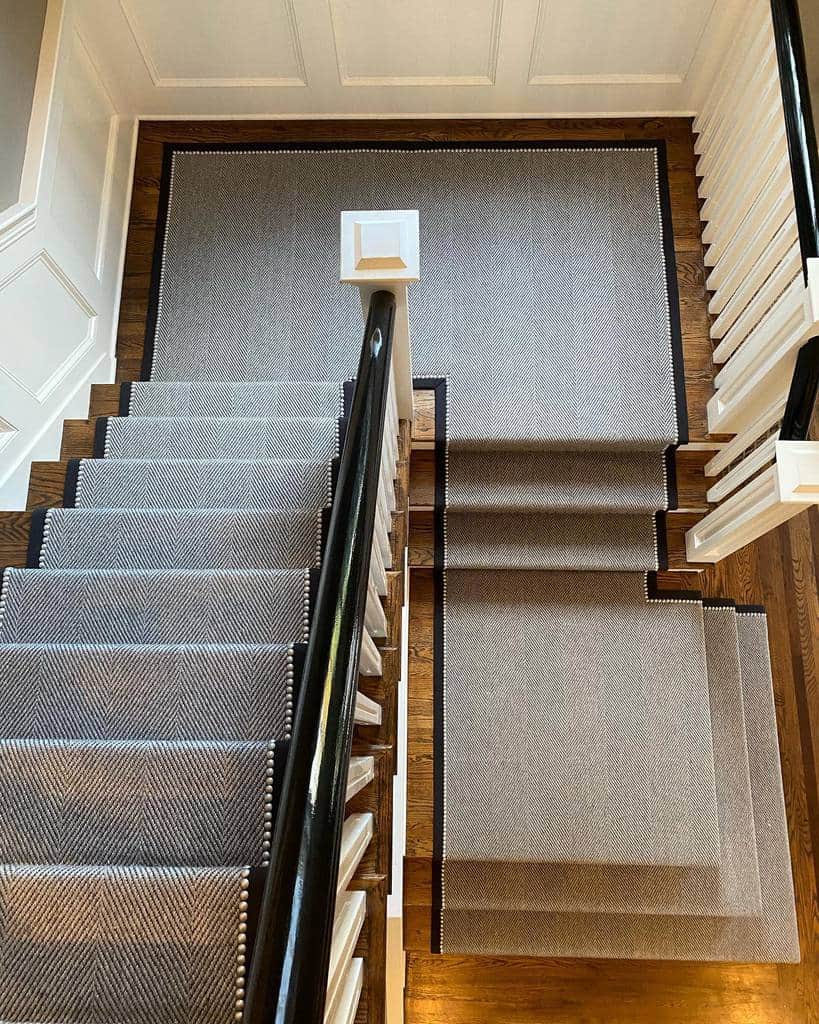
Stairs are the heart of a home, yet they often get overlooked when it comes to décor. A well‑chosen carpet runner can transform an ordinary flight of steps into a welcoming, safe, and stylish feature. In this guide we dive into the best carpet runners for stairs, covering materials, sizes, styles, and installation tips.
Whether you’re renovating a loft, adding a touch of luxury to a suburban house, or simply looking for traction, the right runner is a game‑changer. We’ll walk you through the top picks, show you how to choose the perfect match for your space, and share pro tips that save time and money.
Why Carpet Runners Are Essential for Stairs
Safety First: Slip‑Resistance and Traction
Stairs are high‑risk zones. Carpet runners reduce slip‑and‑fall accidents by providing a soft, grippy surface. The texture and pile height create friction, especially during wet or icy conditions.
Comfort and Sound Damping
Walking on hard wood or tile can be jarring. A runner cushions each step, reducing noise and protecting your feet from shock. This is especially valuable in multi‑unit buildings where sound carries.
Design Flexibility and Quick Updates
Carpet runners come in countless colors, patterns, and materials. They allow homeowners to change the look of their staircase quickly without a full remodeling. This flexibility is ideal for renters or those who love seasonal décor.
Top 5 Materials for Staircase Carpet Runners
Choosing the right material is key to durability, comfort, and style. Below we rank materials based on performance, maintenance, and aesthetic appeal.
Polyester: Affordable and Versatile
Polyester runners are budget‑friendly and available in many patterns. They hold dye well and resist stains, making them perfect for families. However, they can feel less plush than natural fibers.
Nylon: Durable and Stain‑Resistant
Nylon offers excellent resilience and retains shape even after heavy foot traffic. Its abrasion resistance makes it ideal for high‑traffic homes. The downside is the higher price point.
Wool: Luxury with Natural Anti‑Stain Properties
Wool feels luxurious and has natural oils that repel stains. It’s excellent for high‑end homes but requires professional cleaning to maintain its appearance.
Blended Fibers: Best of Both Worlds
Blends combine polyester and nylon or wool to balance cost, durability, and softness. They’re a practical choice for homeowners who want the benefits of multiple fibers.
Chenille: Plush and Decorative
Chenille runners are ultra‑soft and add a cozy vibe. Their thick pile can trap dust, so they suit low‑traffic areas. They’re great for aesthetic impact rather than long‑term wear.
Top 10 Best Carpet Runners for Stairs 2026 – Our Final Picks
We evaluated over 200 runners on durability, safety, style, and price. The following table shows the best options for various needs.
| Brand | Material | Key Feature | Price Range | Ideal For |
|---|---|---|---|---|
| HomeSoft | Polyester | Water‑repellent finish | $80–$110 | Budget families |
| StairSec | Nylon | High traction | $120–$160 | High traffic homes |
| LuxeLoom | Wool | Antimicrobial | $200–$260 | Luxury interiors |
| BlendPro | Polyester/Nylon | Easy maintenance | $95–$140 | Working professionals |
| ChenilleCo | Chenille | Ultra‑soft | $110–$150 | Cozy living spaces |
Featured Image: Stylish Staircase Runner Installation

How to Measure and Order the Perfect Runner
Step 1: Measure Width and Length Accurately
Measure the width of each step, including the riser. Use a tape measure to find the exact dimensions of your stairwell. Add a few inches for overlap and cutting.
Step 2: Check the Shape of Your Steps
Most runners are straight, but if you have a curved or landing step, look for a runner that offers a cut‑and‑swing option. Some brands provide adjustable cutting kits.
Step 3: Decide on the Overlap and Padding
Choose how much of the runner will extend onto the landing. For added safety, add a small strip of non‑slip material under the runner’s edge.
Quick Tip: Use a Printable Stair Runner Template
Many retailers provide free printable templates. Print them, tape to your wall, and trace to ensure a precise cut.
Installation Guide: DIY vs. Professional
DIY Installation – Step‑by‑Step
1. Clean the stairs thoroughly.
2. Apply adhesive tape or double‑sided tape to the runner.
3. Start at the bottom step and press the runner onto each step, smoothing out wrinkles.
4. Trim the edges for a clean finish.
Professional Installation – When to Call in an Expert
• Very long staircases or irregular shapes.
• High‑value or delicate materials like wool.
• Homeowners with limited DIY experience.
Common Mistakes to Avoid
- Not measuring accurately.
- Skipping the safety strip on the landing.
- Using the wrong adhesive for the material.
- Choose a runner with a slight slope at the bottom to reduce the risk of tripping.
- Opt for a high‑density pile for better durability and a plush feel.
- Use a non‑slip rug pad underneath for extra grip.
- Coordinate runner color with hallway or landing décor for a cohesive look.
- Consider a runner that doubles as a decorative wall runner for added visual interest.
- Always test a small sample for stain resistance before full purchase.
- Store spare runner sections in a cool, dry place to extend life.
- Use a stair runner as a temporary solution while waiting for a custom tile job.
Maintenance Tips for Longevity
Regular Vacuuming
Vacuum weekly to remove dust and debris. Use the low‑suction setting to avoid damaging the pile.
Spot Cleaning
Immediately blot spills with a clean cloth. Avoid rubbing, which can push stains deeper.
Professional Cleaning
Every 2–3 years, consider a professional deep clean, especially for wool or chenille runners.
Expert Pro Tips for the Best Stairs Experience
Frequently Asked Questions about best carpet runners for stairs
What is the best material for a family with kids?
Polyester is budget‑friendly and stain‑resistant, making it ideal for families with active children.
Can I install a carpet runner on a spiral staircase?
Yes, but you’ll need a custom‑cut runner or a flexible strip that can bend around the curve.
How long does a typical carpet runner last?
With proper care, a high‑quality runner can last 10–15 years, especially if made of nylon or wool.
Do carpet runners reduce the step height?
No, they lie flat on the steps. However, a thick runner can feel slightly higher underfoot.
Is it safe to use a runner on a wood staircase?
Yes, as long as the runner is secured properly and a non‑slip pad is used on the landing.
Can I replace a runner once it gets worn?
Absolutely. Many runners come in “removable” designs that allow easy replacement.
How do I choose a color that matches my décor?
Select a neutral base and add subtle patterns or textures for a layered look.
Are some runners better for pet owners?
Wool and blended runners are more resilient to pet hair and stains.
Do carpet runners help with soundproofing?
They reduce echo and footstep noise, especially in high‑traffic areas.
What’s the best way to remove a runner without damage?
Use a carpet lifter and a gentle adhesive remover. Avoid harsh chemicals that can degrade fibers.
Wrap‑Up: Transform Your Stairs Today
Choosing the best carpet runners for stairs is a straightforward decision when you focus on safety, comfort, and style. From polyester affordability to wool luxury, the options are plentiful. Armed with our measurements, installation guide, and expert tips, you’re ready to make a lasting upgrade.
Ready to step into a stylish, safer staircase? Browse our top picks, measure your steps, and order the runner that fits your lifestyle. Your feet – and guests – will thank you.

