Carpenter ants can turn a harmless nuisance into a costly home invasion. When they start to chew through beams, your living space may soon feel unsafe. The right bait can eliminate the colony before it spreads. This guide dives deep into the best carpenter ant bait, how it works, and how to choose and apply it.
We’ll explore ingredients, compare top brands, provide a step‑by‑step application guide, and answer the most common questions. By the end, you’ll know exactly which bait to buy and how to use it for maximum effectiveness.
What Makes a Carpenter Ant Bait Effective?
Understanding Carpenter Ant Behavior
Carpenter ants don’t eat wood; they use it as a structure. They prefer damp, old timber. Because they’re social, bait must reach the queen to eradicate the colony.
Most baits rely on a slow‑acting poison that workers carry back to the nest. The delay allows the poison to spread before exposure kills the colony. This method reduces the chance of escape or residue on food.
Key Features of High‑Quality Bait
- Slow‑acting toxin – allows the queen to ingest it.
- Palatable food matrix – attracts aggressive foragers.
- Place baits in multiple rooms if you suspect the colony spans the house.
- Use a combination of bait types (station and card) for broader coverage.
- Keep bait stations sealed with a protective lid to keep pets away.
- Apply baits before the rainy season; damp conditions attract ants.
- Re‑inspect after 30 days; if ant activity persists, consider switching to a higher potency bait.
Safety and Environmental Considerations
Look for baits that are non‑toxic to pets and children if placed outside. Many experts recommend using baits in combination with sealing entry points to prevent new invasions.
Top Ingredients in the Best Carpenter Ant Bait
Insect Growth Regulators (IGRs)
IGRs disrupt the ants’ life cycle, preventing larvae from maturing. They’re safe for humans and pets and act within 2–4 weeks.
Slow‑Acting Systemic Insecticides
These are absorbed by the ants and travel back to the nest. Common ones include chlorantraniliprole and indoxacarb. They’re highly effective but should be used per label instructions.
Food Carriers and Attractants
Honey, sugar, protein powders, and fatty acids enhance bait appeal. High‑protein options attract worker ants that feed on meat and eggs.
Stability Additives
Substances like polymers keep bait moisture‑resistant, prolonging shelf life and field effectiveness.
How to Choose the Right Carpenter Ant Bait for Your Home
Assess the Infestation Level
Small infestations might be handled with DIY baits. Larger colonies often need professional products.
Consider Placement and Accessibility
Place baits near entry points, along walls, and in crawl spaces. Ensure pets or children can’t reach them.
Check for Compatibility with Other Treatments
If you use aerosol sprays or dusts, confirm the bait won’t be deactivated by residues.
Budget and Cost‑Effectiveness
Premium baits may cost more per unit but last longer, reducing overall expenses.
Read Reviews and Certifications
Look for products certified by the EPA or state pest‑control agencies.
DIY vs Commercial Baits: Which is Best?
DIY Bait Recipes
Mix sugar water with a small amount of boric acid or borax. Spread in shallow dishes or use cotton balls. DIY works for minor spots but lacks long‑term potency.
Commercial Bait Options
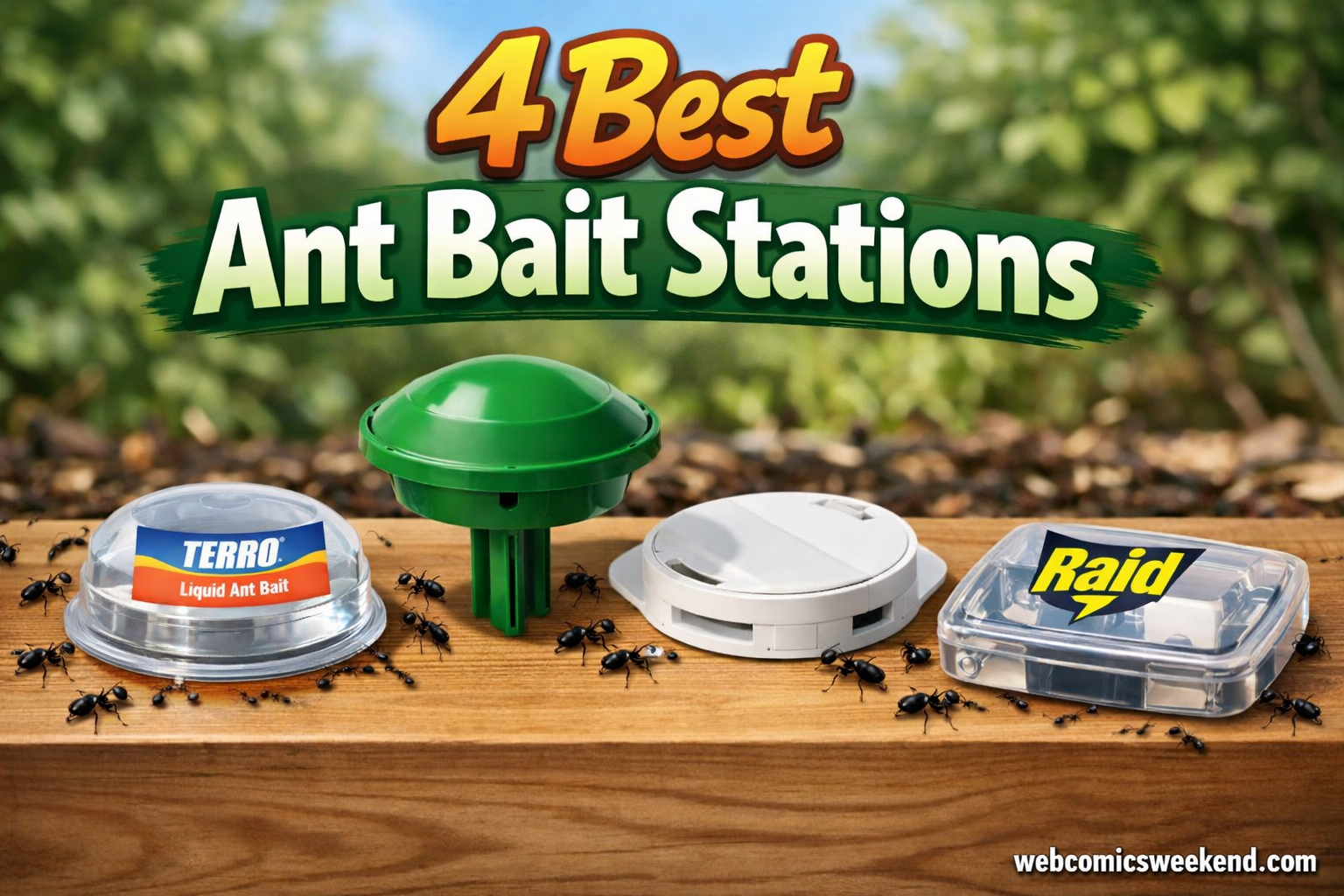
Brand A uses blue bait stations with indoxacarb. Brand B offers yellow bait cards with chlorantraniliprole. Commercial baits are pre‑measured, easy to apply, and have proven efficacy.
When to Call a Professional
For infestations larger than a few dozen ants, or if you suspect structural damage, hire a licensed pest control service. Professionals can combine baits with other control methods.
:max_bytes(150000):strip_icc()/diy-ant-traps-7550733-4853f86450004694ad2dc85c1c07d0c6.png)
Step‑by‑Step Application Guide for Carpenter Ant Bait
Step 1: Identify Hotspots
Look for droppings, sawdust, or visible ants. Mark these areas with a washable marker.
Step 2: Clean the Surface
Remove debris and seal cracks with caulk before placing bait. This prevents ants from bypassing the bait.
Step 3: Place the Bait
Follow product instructions. Typically, place bait in the center of a 2‑ft² area, leaving a 1‑ft buffer from walls.
Step 4: Monitor and Replace
Check bait every 7–10 days. Replace once dry or after 2–3 weeks, depending on the product.
Step 5: Seal Entry Points
After baiting, seal gaps under doors, windows, and around pipes to prevent reinfestation.
Comparison of Popular Carpenter Ant Baits
| Product | Active Ingredient | Application Type | Effectiveness (weeks) | Safety Notes |
|---|---|---|---|---|
| Brand A Blue Station | Indoxacarb | Station | 4–6 | Pet safe when outside |
| Brand B Yellow Card | Chlorantraniliprole | Card | 3–5 | Low toxicity |
| DIY Sugar-Boric Acid Mix | Boric Acid | Dish | 2–3 | Keep out of reach of pets |
| Professional X‑Ant Bait | IGR (Methoprene) | Spot | 6–8 | Non‑persistent |
Expert Tips for Maximizing Carpenter Ant Bait Success
Frequently Asked Questions about best carpenter ant bait
What is the best carpenter ant bait for pets?
Look for non‑toxic, pet‑safe formulations like the blue station from Brand A, which can be placed outdoors.
How long does it take for the bait to kill the colony?
Most slow‑acting baits need 2–4 weeks to reach the queen and eliminate the nest.
Can I use the same bait for carpenter ants and other ant species?
Some baits work across species, but it’s best to choose one specifically labeled for carpenter ants.
Is it safe to leave bait stations inside my home?
Yes, if you keep them out of reach of children and pets, and follow label instructions.
How many bait stations do I need per infestation?
For a moderate infestation, start with one station per 2‑ft² area. Increase if ants remain active.
What if I see ants after placing bait?
Give the bait 2–3 weeks. If ants persist, consider a stronger product or professional help.
Can I combine bait with spray insecticides?
Avoid spraying directly on bait stations; apply sprays on walls and entry points after bait placement.
Do I need to seal cracks before baiting?
Yes. Sealing cracks reduces alternative food sources and forces ants to use the bait.
What should I do if I notice pets reacting to bait?
Remove the bait immediately and consult a vet. Most pet‑safe baits have low risk.
How often should I replace commercial bait stations?
Replace after 4–6 weeks, or sooner if the bait is dry or disturbed.
Follow these guidelines and you’ll have a powerful tool against carpenter ants. Keep the bait strategically placed, monitor regularly, and seal entry points for lasting protection.
Ready to reclaim your home? Check out our top-rated carpenter ant bait picks or call a licensed professional today. Don’t let these wood‑loving pests take over—act now and protect your family and your investment.

