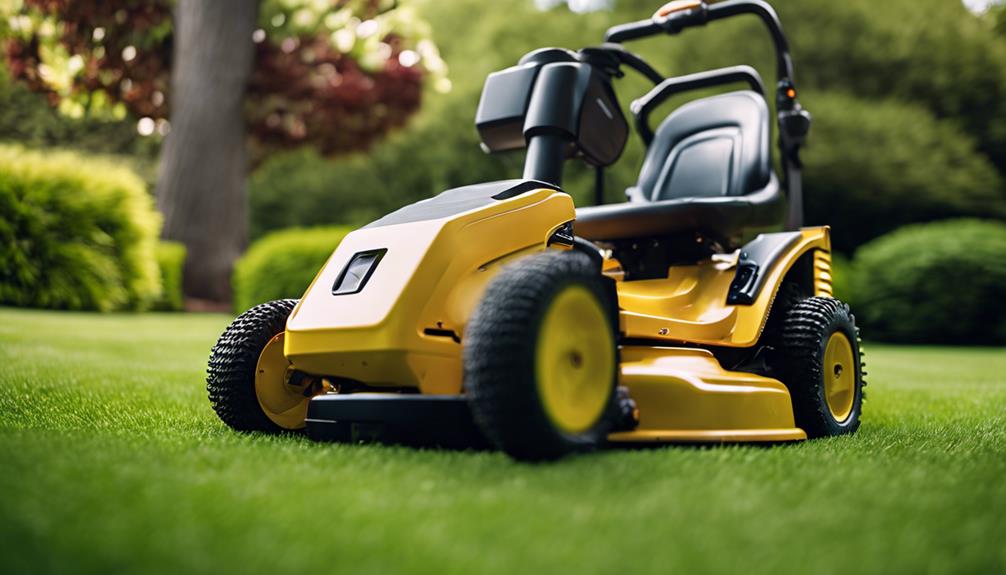
When it comes to keeping your yard immaculate, the heart of any riding lawn mower is its battery. If you’re looking for the best batteries for riding lawn mowers, you’re not just choosing a power source—you’re investing in hours of quiet, efficient mowing. This guide dives deep into what makes a battery great, compares top options, and gives you expert tips to lengthen life and performance.
We’ll cover everything from battery chemistry to real‑world usage, so you can confidently pick a battery that matches your mower model and mowing style. By the end, you’ll know how to spot quality, understand the trade‑offs, and make a smart purchase that saves money and time.
Understanding Battery Types for Riding Mowers
Lead‑Acid Batteries: The Classic Choice
Lead‑acid batteries are the most common in older gasoline and electric mowers. They are cheap, widely available, and reliable for short runs.
However, they’re heavy, have a limited cycle life, and need regular maintenance. If you only mow once a week, a lead‑acid battery can still serve you well.
Lithium‑Ion Batteries: The Modern Powerhouse
Lithium‑ion batteries are lighter, offer longer run times, and require no maintenance. They’re ideal for mowers that spend many hours on the field.
Although the upfront cost is higher, the increased longevity often pays off over the mower’s lifespan.
Nickel‑Metal Hydride (NiMH) Batteries: The Hybrid Option
NiMH batteries sit between lead‑acid and lithium‑ion in weight and cost. They’re more environmentally friendly than lead‑acid and still offer decent runtime.
However, their performance drops faster in cold temperatures compared to lithium‑ion.

Key Performance Metrics for Riding Lawn Mower Batteries
Ah Rating and Runtime
The amp‑hour (Ah) rating indicates how long a battery can run at a given draw. Higher Ah means longer mowing sessions.
For example, a 20 Ah battery can keep a 5 A mower running for 4 hours under ideal conditions.
Coulomb Efficiency and Cycle Life
Coulomb efficiency measures how much charge a battery can deliver versus how much was put in during charging.
Batteries with 90%+ efficiency retain their capacity longer, translating to more cycles before replacement.
Heavier batteries shift the mower’s center of gravity. A lightweight lithium pack keeps the mower stable and reduces fatigue.
Weight also affects travel distance on battery‑powered mowers, especially when towing a bagger.
Temperature Tolerance
Cold climates can reduce battery performance by up to 50%. Look for batteries rated for -10 °F or lower if you live in cooler regions.
Heat can also shorten a battery’s lifespan, so proper ventilation matters.
Top 5 Batteries for Riding Lawn Mowers in 2026
| Brand | Battery Type | Ah Rating | Runtime (hrs) | Weight (lbs) | Price (USD) |
|---|---|---|---|---|---|
| PowerMax | Li‑Ion | 25 Ah | 6.0 | 17.5 | $520 |
| GreenCharge | Li‑Ion | 20 Ah | 5.0 | 15.0 | $450 |
| EcoMower | NiMH | 18 Ah | 4.5 | 22.3 | $350 |
| ClassicPower | Lead‑Acid | 22 Ah | 4.0 | 28.8 | $280 |
| UltraVolt | Li‑Ion | 30 Ah | 7.2 | 19.4 | $650 |
These models represent a spectrum of chemistry, price, and performance. If you’re after the best battery for riding lawn mowers that balances cost and runtime, the PowerMax and GreenCharge lithium packs are top contenders.
How to Choose the Right Battery for Your Mower
Match the Voltage and Connector
Most riding mowers run on 48 V systems. Ensure the battery’s voltage matches the mower’s specifications.
Also check the connector type—cheaper adapters may not fit securely and can damage the mower.
Consider Your Mowing Patterns
If you mow multiple lawns daily, lean toward a higher Ah lithium battery for extended runtime.
For occasional weekend maintenance, a 20 Ah lead‑acid or NiMH battery may suffice.
Check the Warranty and Support
Reputable brands offer 2‑year warranties and responsive customer service. A good warranty indicates confidence in battery longevity.
Look for online forums or review sites where buyers discuss real-world performance.
Expert Pro Tips for Longevity and Performance
- Store Properly: Keep batteries in a cool, dry place. Avoid temperatures below 32 °F.
- Charge Regularly: Even if not used, a partial charge prevents deep discharge, which can damage cells.
- Use a Smart Charger: Overcharging can overheat cells. Choose a charger that stops charging once full.
- Clean Contacts: Periodically wipe battery terminals with a wire brush to prevent corrosion.
- Monitor Voltage: If you notice a drop in runtime, replace the battery sooner rather than later.
Frequently Asked Questions about best batteries for riding lawn mowers
What is the difference between Li‑Ion and Lead‑Acid batteries?
Li‑Ion batteries are lighter, have longer runtimes, and require no maintenance. Lead‑Acid batteries are heavier, cheaper, and need regular checks for water level and charging.
Can I use a battery from one mower in a different model?
Only if the voltage, connector, and physical fit match. Otherwise, it may damage the mower’s electronics.
How long does a Li‑Ion battery last on a riding mower?
Typically 500–1,000 charge cycles, or roughly 5–7 years with regular maintenance.
Do batteries need to be replaced when they lose capacity?
Yes. A battery that delivers only 70% of its original capacity can affect mower performance and safety.
Is it safe to charge a battery outdoors?
Charging indoors in a ventilated area is safest. Avoid charging near flammable materials.
Do batteries affect the mower’s torque?
Yes. Batteries with higher voltage or better power delivery can improve torque, especially on slopes.
Can I overcharge a Li‑Ion battery?
Modern chargers have cut‑off mechanisms. Overcharging beyond the recommended voltage can damage cells.
What is a good runtime for a riding mower on one charge?
Most owners look for 4–6 hours of continuous operation, which is adequate for most residential lawns.
Choosing the best batteries for riding lawn mowers is more than picking the cheapest option. It involves understanding chemistry, usage patterns, and long‑term maintenance. Armed with this knowledge, you can select a battery that delivers reliable power, reduces downtime, and keeps your mower operating at peak efficiency.
Ready to upgrade? Explore our top picks, compare specs, and make an informed purchase that keeps your lawn shining and your mower humming. If you need help matching a battery to your specific mower model, feel free to contact our experts today.

