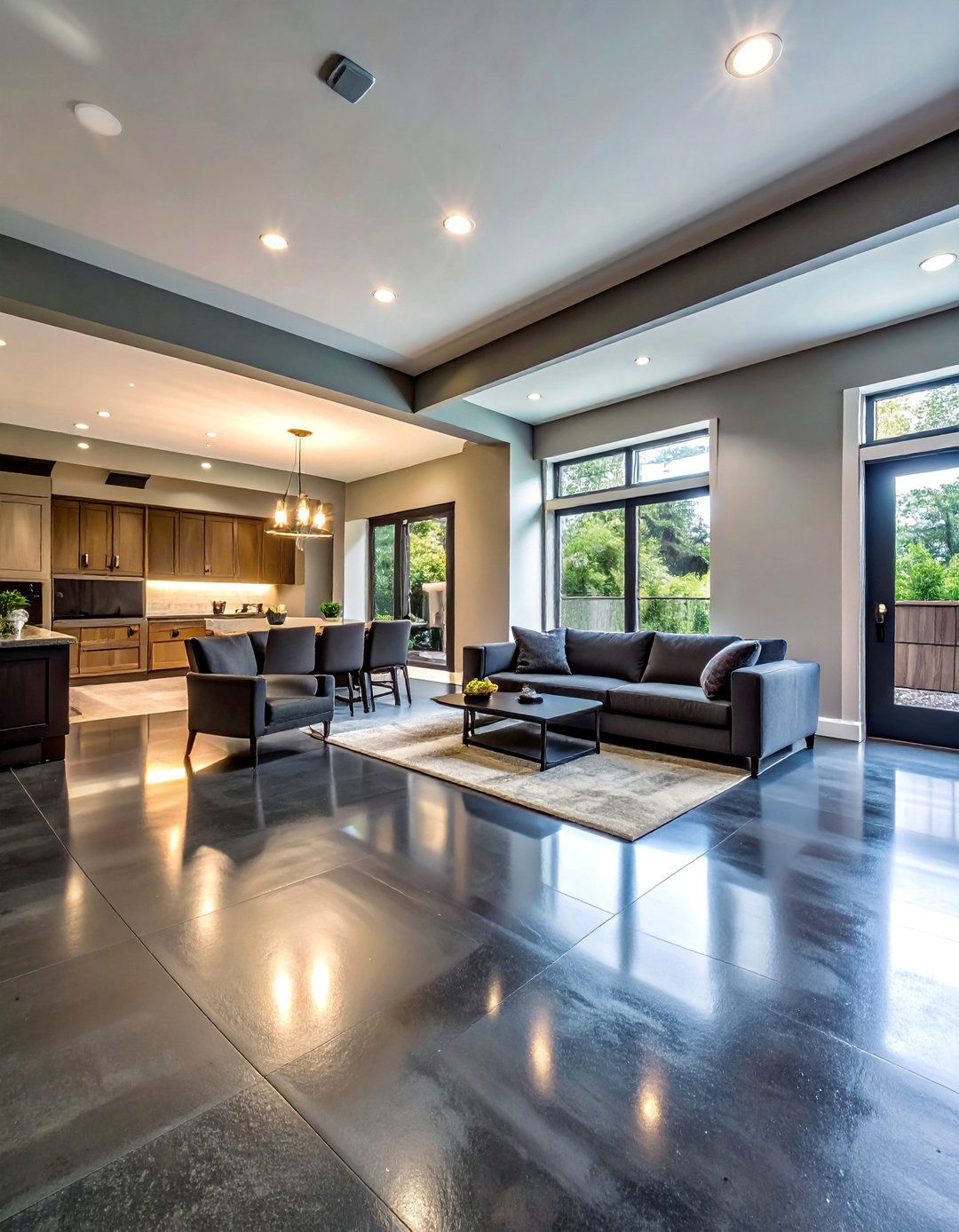
Basements can feel like a hidden treasure or a looming threat, depending on the floor coating you choose. A well‑finished surface turns damp, moldy stone into a stylish, waterproof, and durable zone. If you’re wondering which is the best basement floor coating, you’re at the right place. We’ll walk through the top products, paint and sealant tricks, and expert advice to help you pick the ideal finish for your space.
In this guide you’ll discover: the main categories of coating, how to assess durability, moisture resistance, and design flexibility; real‑world examples and cost data; a comparison table that cuts through the noise; and a practical FAQ that answers the most common questions. By the end, you’ll know which coating suits your budget, style, and basement’s unique challenges.
Understanding Basement Floor Coating Types
1. Epoxy Coatings
Epoxy is the industry standard for basement floors. It creates a seamless, high‑gloss finish that resists stains, chemicals, and foot traffic.
Benefits: Durability and water‑repellent barrier. Low maintenance and easy to clean.
Drawbacks: Requires a primer and careful surface preparation. Not ideal for very cold climates where thermal expansion can crack the film.
2. Polyurethane Coatings
Polyurethane offers a richer, more flexible finish compared to epoxy. It can be over‑lapped on top of other coatings for additional protection.
Benefits: UV resistance and higher gloss options. Works well in damp areas.
Drawbacks: More expensive and has a stronger odor during application.
3. Acrylic Water‑Based Paints
Acrylics are a popular choice for a quick, paint‑like look. They provide a smooth, matte finish and are easy to apply.
Benefits: Fast drying and low VOCs. Good for DIY projects.
Drawbacks: Less resistant to moisture and may require a sealer for long‑term protection.
4. Cementitious Floor Systems
Cementitious coatings include urethane-modified cement or latex cement. They’re ideal for heavy traffic areas like garages or workshops.
Benefits: Strong and durable. Adds a protective layer over cracked concrete.
Drawbacks: Heavier and requires a solid base. Not as smooth as epoxy.
Choosing the Right Coating for Your Basement’s Climate
Moisture Levels and Waterproofing
Basement moisture is the biggest challenge. The best coating must seal out water and prevent mold.
Solution: Look for waterproofing additives or use a primer with anti‑mold properties.
Temperature Fluctuations
Basements can drop below freezing in winter. Coatings with flexibility reduce the risk of cracking.
Recommendation: Polyurethane or flexible epoxy formulas are best for colder climates.
Ventilation and Air Quality
Low VOC and low odor coatings improve indoor air quality.
Tip: Acrylic water‑based paints and low‑VOC epoxies are ideal for families with children or pets.
Top 10 Best Basement Floor Coatings in 2026
Below is a curated list of the best basement floor coatings, ranked by performance, cost, and ease of application.
- Top Coat Epoxy by DuraCoat – Premium durability and 10‑year warranty.
- Lifestyle Polyurethane by FloorGuard – UV‑resistant and flexible.
- Water‑Proof Acrylic by PaintPro – Low‑VOC, quick drying.
- UltraSeal Cementitious by ConcreteCo – Heavy‑traffic ready.
- Eco‑Seal Epoxy by GreenFloor – Sustainable, low odor.
- QuickShield Polyurethane by QuickCoat – Fast cure, easy to touch up.
- Vanish Mold Acrylic by CleanCo – Anti‑mold formula.
- FlexiCure Cementitious by BuildStrong – Flexible for temperature changes.
- Premium Gloss Epoxy by EliteFloors – Highest gloss level.
- Standard Acrylic by PaintNow – Budget friendly, easy DIY.
Comparison of Key Features
| Coating | Durability | Water Resistance | VOC Level | Application Time |
|---|---|---|---|---|
| Top Coat Epoxy | High | Excellent | Low | 3–4 days |
| Lifestyle Polyurethane | Medium–High | Excellent | Medium | 2–3 days |
| Water‑Proof Acrylic | Medium | Good | Very Low | 1–2 days |
| UltraSeal Cementitious | Very High | Excellent | Low | 4–5 days |
Expert Tips & Pro Advice for Basement Floor Coating Success
- Prep the Surface – Clean, vacuum, and repair cracks before coating.
- Use a Primer – Improves adhesion and seals porous concrete.
- Apply in Thin Layers – Helps prevent bubbling and uneven drying.
- Maintain Ventilation – Keep fans running during curing to reduce odors.
- Seal Entryways – Add a splash guard or door threshold to keep moisture out.
- Check for Temperature – Avoid applying if temperatures are below 60°F.
- Test a Small Area – Confirms color and finish before full application.
- Store Extra Coating – Keep for future touch‑ups to maintain a flawless look.
Frequently Asked Questions about best basement floor coating
What is the best coating for a damp basement?
Epoxy coatings with a waterproofing additive or a cementitious sealant are ideal for high‑moisture basements.
Can I paint over existing epoxy?
Yes, but you must use a primer specifically designed for epoxy surfaces before applying new paint.
Will a basement floor coating help with mold?
Coatings with anti‑mold additives stop mold growth by sealing the surface and preventing moisture entry.
How long does it take to cure?
Epoxy typically cures in 3–4 days; acrylic finishes can dry in 1–2 days.
Is polyurethane safer than epoxy?
Polyurethane generally has lower VOCs and a milder odor, making it a better choice for indoor air quality.
Can I apply the coating myself?
With the right prep kit and following instructions, DIY application is possible. Professional help ensures a flawless finish.
What’s the biggest benefit of cementitious coatings?
They offer superior durability for high‑traffic zones like garages or workshops.
Do these coatings come with a warranty?
Many reputable brands offer 5–10 year warranties if applied correctly.
How do I remove a failed coating?
Use a chemical stripper or heat gun, then sand and re‑prime the surface before reapplying.
Can I use a basement floor coating in a hot climate?
Yes; choose a UV‑resistant formula to prevent degradation from sunlight.
Choosing the right best basement floor coating is a balance of durability, moisture control, and budget. By understanding your basement’s needs and the strengths of each coating type, you can transform a damp, uninviting space into a functional, attractive area.
Ready to level up your basement? Pick a coating from our list, follow the prep steps, and enjoy a flawless floor that lasts for years. Need help deciding? Contact a local flooring professional or visit FlooringPros.com for expert advice.

