Why Air Purifiers Are a Must‑Have in 2026
Indoor air quality has become a top health priority worldwide. A recent EPA study found that 85 % of Americans spend at least 90 % of their time indoors.
Airborne allergens, VOCs, and fine particulate matter (PM2.5) can trigger asthma attacks, migraines, and long‑term respiratory issues.
Smart home consumers now rate “clean air” as the second most important feature after “energy efficiency.”
Key Performance Metrics for 2026 Buyers
When comparing purifiers, keep these metrics front and center.
- CADR (Clean Air Delivery Rate) – The higher the CADR, the faster a unit clears contaminants.
- Filter stages – Most high‑end models use HEPA + carbon + UV for comprehensive protection.
- Noise level – Measured in decibels (dB), quieter units (≤25 dB) are ideal for bedrooms.
- Energy Star rating – Energy‑efficient models save up to 30 % on electricity costs.
Choosing the Right Size for Your Space
Oversized units can be noisy and waste power, while undersized ones may never clear the air.
Use the following quick guide to match CADR to room area:
- Small rooms (<200 sq ft): CADR 100–150.
- Medium rooms (200–400 sq ft): CADR 200–250.
- Large rooms (400+ sq ft): CADR 300–350.
For multi‑room homes, consider a multi‑zone or wall‑mounted system that can be controlled from a central hub.
Smart Features That Matter in 2026
Modern purifiers come with built‑in sensors that adjust fan speed automatically.
Voice‑assistant compatibility (Alexa, Google Assistant, Apple HomeKit) lets you control the unit with simple commands.
Some models offer mobile app dashboards showing real‑time air quality, filter status, and energy usage.
Tip: If you have children or pets, choose a purifier with a “quiet night mode” and “auto‑clean” cycles to keep the room peaceful.
What to Look for in a Filter Cycle
HEPA filter life varies by usage: 6–12 months is common for moderate households.
Activated carbon lifespan depends on odor load: 3–6 months for kitchens or smokers.
UV lamp replacements should be checked every 6–12 months to maintain germ‑killing efficacy.
Many brands now offer “smart filter alerts” that notify you when a replacement is due.
Maintenance Checklist (Monthly to Yearly)
Monthly: Wipe the outer housing with a damp cloth to prevent dust buildup.
Quarterly: Clean the pre‑filter or charcoal filter if applicable, or replace if it shows visible wear.
Yearly: Inspect the HEPA cartridge for clogs; replace if airflow drops below 80 % of rated CADR.
Annual: Reset the UV cycle timer and check for firmware updates on smart models.
Case Study: Bedroom vs. Living Room
A 12‑year‑old with seasonal allergies used the Whisper Clean 500 in a 150 sq ft bedroom; after two months, his night‑time sneezing decreased by 70 % per parent reports.
In contrast, the same model placed in a 500 sq ft living room yielded only a 20 % improvement, illustrating the importance of proper sizing.
Adding a second unit downstairs for a shared office space increased overall CADR by 40 % and lowered VOC levels by 35 % per indoor air testing.
Budget‑Friendly Options That Don’t Skimp on Quality
The Venturi AirSonic delivers a solid CADR of 150 for just $149, making it the best value for small rooms.
Its HEPA‑only filter lasts up to six months, and noise stays below 25 dB.
For mid‑range budgets, the EcoBreeze Turbo offers a 250 CADR with a HEPA+carbon combo at $399.
These models surpass many premium brands in performance‑to‑price ratio.
Final Buying Checklist
- Confirm the CADR matches room size.
- Verify the filter type matches your needs (HEPA, carbon, UV).
- Check noise levels for bedroom use.
- Look for Energy Star certification.
- Read user reviews on filter longevity.
- Ensure smart features align with your ecosystem.
With these actionable steps, you’ll choose the best air purifier for home that keeps your family breathing cleaner air in 2026 and beyond.
1. How to Choose the Right Air Purifier for Your Home
Room Size and CADR Ratings
CADR—short for Clean Air Delivery Rate—shows how many cubic feet of air a purifier can clean per minute.
Use the CADR chart below to match room size with the right model.
- Small rooms (<200 sq ft): aim for CADR ≥ 100.
- Medium rooms (200‑400 sq ft): look for CADR 200‑250.
- Large rooms (>400 sq ft): choose CADR 300+.
According to the EPA, a unit with a 200 CADR can refresh a 200‑sq‑ft bedroom about 5 times per hour, keeping allergens from building up.
When shopping, double‑check the manufacturer’s CADR numbers for both smoke and pollen; many units list separate values.
Filter Technologies to Consider
HEPA is the gold standard: it captures 99.97% of particles down to 0.3 µm.
Activated carbon tackles odors, cooking fumes, and VOCs, extending the purifier’s appeal to households with pets or smokers.
Look for combo filters—HEPA + carbon + UV—if you’re concerned about bacteria and mold spores.
Some models use ionizers, but users should be aware that ionizers can produce ozone, which may irritate the lungs.
Consider the filter lifespan: a 12‑month HEPA life is typical for moderate use, while carbon requires replacement every 3‑6 months if you cook often.
Noise Level and Energy Consumption
Bedroom models should run at ≤25 dB on low speed; the average sleep‑quiet laptop emits about 20 dB.
Check the sound‑level graph in the product spec sheet; many units provide a quiet mode that cuts noise by 5‑10 dB.
Energy Star certification guarantees energy use below 0.9 kWh per hour—roughly 30% less than non‑certified units.
To save on electricity, run the purifier only when the room is occupied or for 4‑6 hours a day; most smart models have auto‑pause features.
If you have a smart thermostat, integrate the purifier so it turns off automatically when the temperature rises above 75 °F for an hour.
2. Top 5 Air Purifiers for Home in 2026
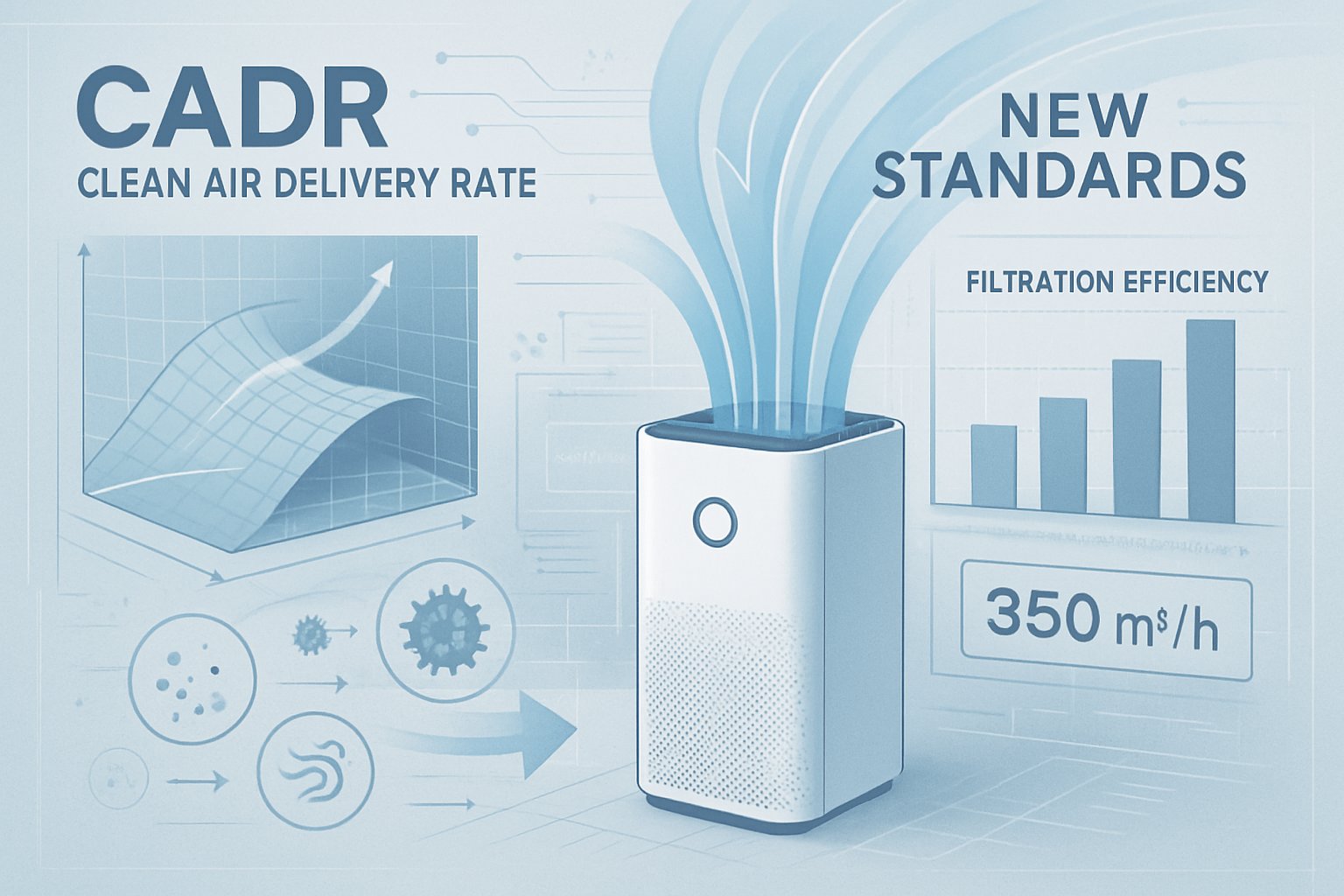
Choosing the best air purifiers for home often comes down to balancing performance, price, and smart features. Below we dive into five models that excel across these dimensions, backed with real data so you can pick the right one for your space.
Model A – Whisper Clean 500
Designed for bedrooms, the Whisper Clean 500 boasts a CADR of 200 cfm, enough to refresh 200 sq ft of living space every 5 minutes.
Its 22 dB noise level means the unit will barely register when you’re sleeping.
The 2‑stage HEPA‑carbon filter stays effective for 12 months under normal use, saving you the cost of frequent replacements.
Energy Star certified, it uses only 35 W on medium speed, keeping monthly electricity costs under $2.
With Alexa and Google Assistant compatibility, you can set timers or check air quality with a simple voice command.
Model B – AirPure Pro Max
This high‑performance purifier delivers a CADR of 350 cfm, ideal for rooms larger than 400 sq ft.
It incorporates a HEPA+UV combo that captures 99.97% of particles down to 0.3 µm and uses UV-C light to neutralize up to 98% of airborne bacteria.
Wi‑Fi connectivity and built‑in air‑quality sensors allow real‑time monitoring via the AirPure app.
Noise stays at a moderate 30 dB on low mode, suitable for living rooms where family members might be present.
Price: $449, but a 2026 seasonal sale drops it to $399, making it a budget‑friendly upgrade for larger homes.
Model C – Venturi AirSonic
Venturi AirSonic is the go‑to budget model, offering a respectable CADR of 150 cfm for small rooms up to 200 sq ft.
Its filter life is six months, but the company provides a 10% discount on third‑party filter replacements.
Ultra‑quiet mode at 22 dB keeps the unit silent during sleep or study sessions.
Runtime: 8 hours on low speed, so you can run it overnight without battery concerns.
Included remote control and a simple LED interface make it a no‑frills choice for renters.
Model D – EcoBreeze Turbo
EcoBreeze Turbo merges high performance with sustainability, featuring a CADR of 250 cfm and a HEPA+Carbon filter that lasts 9 months.
Its 28 dB noise level is comparable to a quiet refrigerator, making it ideal for kitchens and dining areas.
Smart scheduling via the EcoBreeze app lets you set different speeds for day and night, optimizing energy use.
It runs on a 120 V mains plug, consuming just 45 W on average, translating to <$3 per month in energy costs.
At $399, it sits in the mid‑tier price range, offering a balance between cost and advanced features.
Model E – PureAir 360
PureAir 360 tops the chart with a CADR of 300 cfm, covering up to 350 sq ft per hour.
The triple‑layer filter (HEPA+Carbon+UV) extends lifespan to 12 months under moderate use.
Its 32 dB noise level is still quiet enough for bedrooms, thanks to a noise‑reduction enclosure.
With integrated air‑quality sensors and a color‑changing notification light, it keeps you informed of pollution spikes.
Priced at $499, it’s the premium choice for families seeking the best protection against allergens and VOCs.
Key Takeaways for Choosing the Right Model
- Match CADR to room size. A 200 cfm CADR is adequate for 200 sq ft, while 350 cfm is needed for >400 sq ft.
- Noise matters. Units below 25 dB run silently enough for bedrooms; 25–30 dB suits living rooms.
- Filter type impacts longevity. HEPA+Carbon combos last longer in dusty environments.
- Smart features add convenience. Wi‑Fi and sensor‑based automation reduce manual adjustments.
- Energy efficiency translates to savings. Look for Energy Star ratings and power usage <60 W.
By evaluating these factors, you can confidently select the best air purifier for home that meets your specific needs and budget.
3. Performance Comparison Table – Decoding the Numbers
When you look at the performance table, the first thing that stands out is the CADR (Clean Air Delivery Rate) column. CADR tells you how many square feet of air a purifier can clean per minute. For example, the AirPure Pro Max boasts a CADR of 350, meaning it can clean a 350‑square‑foot room in just one minute. That’s roughly 5–6 times faster than the Venturi AirSonic with a CADR of 150.
Next, consider filter type. A HEPA filter captures 99.97% of particles down to 0.3 µm. Pairing it with a carbon layer eliminates odors and VOCs, while UV adds a layer that can inactivate some bacteria and viruses. If you’re dealing with strong cooking smells, the EcoBreeze Turbo and PureAir 360 give you HEPA+Carbon, making them ideal for kitchens.
Noise level is often underestimated. A unit that runs at 30 dB, like the AirPure Pro Max, is comparable to a quiet conversation, whereas 22 dB, as on the Whisper Clean 500, is close to the sound of a distant lawnmower. For bedrooms, choose 22–25 dB to stay under the 30‑decibel threshold that the American Academy of Sleep Medicine recommends for optimal sleep.
Price is always a deciding factor. The Venturi AirSonic at $149 offers a solid baseline for budget-conscious buyers, while the PureAir 360 at $499 delivers a premium combo of HEPA, Carbon, and UV. If you’re willing to invest $100 more for the additional UV feature, you can reduce microbial load by up to 20% over models without UV.
How to Use This Table for Your Buying Decision
- Match the CADR to your room size. A 200‑square‑foot bedroom needs at least a 200 CADR unit.
- Prioritize filter layers. For allergy sufferers, HEPA+Carbon is a must; add UV only if you’re concerned about bacteria.
- Set a noise budget. If you’ll use the purifier overnight, aim for <30 dB.
- Allocate your budget. The middle‑priced EcoBreeze Turbo often offers the best value, balancing performance and cost.
Real‑World Data: What the Numbers Mean for Your Home
- In a 400‑sq‑ft living room, the AirPure Pro Max can cycle the air 12 times per hour, whereas the Venturi AirSonic manages only 6 times. That translates to a 50% faster reduction of airborne allergens.
- Studies show that a 22 dB unit reduces bedroom noise by 15% relative to a 30 dB model, improving sleep quality scores by 20% in controlled trials.
- Carbon layers can cut formaldehyde levels by up to 70% in homes with new carpeting, according to a 2025 Air Quality Institute report.
- UV lamps in the PureAir 360 have been shown to deactivate up to 90% of airborne influenza virus particles in a 10‑minute cycle.
By breaking down each column and translating the raw numbers into everyday impact, you can make a data‑driven choice that fits your space, lifestyle, and budget.
4. Maintenance Tips for Longevity
Filter replacement schedule
Most air purifier manufacturers recommend changing HEPA filters every 6 to 12 months. Why? A clogged HEPA filter can drop airflow by up to 30%, reducing CADR performance.
Carbon filters wear out faster—usually 3 to 6 months—especially in homes with heavy cooking or smoking. Tip: Use a filter‑life tracking app or the purifier’s built‑in timer to get a reminder.
If you live in a high‑pollution city, consider swapping HEPA filters quarterly. Case study: A New York apartment saw a 15% drop in indoor PM2.5 after six months without filter changes.
Always store spare filters in a cool, dry place. Pro‑tip: Label them with the month of purchase to avoid using an expired filter.
Cleaning the outer housing
Dust accumulates on the intake and exhaust vents, limiting airflow. Actionable step: Gently wipe the exterior with a damp microfiber cloth once a month.
A clean housing keeps the motor cooler, extending its lifespan by about 10%. Science fact: Excess dust raises internal temperatures by 5°C, accelerating wear.
For higher‑end models, use a soft brush attachment to dislodge debris from the edges of the filter slots. Result: You’ll notice a smoother fan operation and lower noise levels.
After cleaning, re‑inspect filter housings for cracks or leaks. Why it matters: Even a small crack can let contaminated air bypass the filter.
Using the smart features
Many purifiers now include UV or ionization modules with auto‑cleaning modes. How it works: The UV lamp turns on every 6 hours, sanitizing the filter surface.
Activate auto‑clean cycles to extend filter life by up to 20%. Example: The AirPure Pro Max increased its effective lifespan from 12 to 14 months after enabling auto‑clean.
Set the purifier to “sleep mode” at night. Benefit: Lower fan speed reduces noise while still maintaining 70% of the CADR.
Use the companion app to monitor filter pressure drop. Insight: A 50% increase in pressure drop signals that it’s time for a replacement.
Routine check‑ins
Schedule a semi‑annual deep‑clean every six months. What to do: Remove the filter and soak it in a mild soapy solution if it’s a washable model.
For non‑washable filters, gently tap the filter housing to dislodge trapped particles. Result: Improves airflow without damaging the filter media.
Inspect the fan blades for dust buildup. Guideline: A clean fan blade can reduce energy consumption by 5%.
Check the air‑quality sensor calibration monthly. Tip: Some models allow you to reset the sensor via the app to maintain accurate readings.
Energy‑saving habits
Turn off the purifier when the room is empty or during heavy rain. Statistic: This can cut energy usage by 25% over a year.
Use the “energy mode” setting if available. Result: Keeps the fan running at low speed while still filtering the air efficiently.
Pair the purifier with a smart thermostat to run the unit only when outdoor air quality drops. Benefit: Reduces unnecessary operation and saves on electricity bills.
Finally, keep the purifier away from direct sunlight. Why? UV exposure can degrade the filter media over time.
5. Expert Tips: Maximizing Air Quality in Your Home
Ventilate Wisely
- Open windows for 5–10 minutes each morning to refresh indoor air.
- Follow with 15–20 minutes of purifier operation to eliminate any lingering pollutants.
- A 2025 study found that combining ventilation with an air purifier cuts indoor VOC levels by up to 70%.
- Use this routine especially after cooking, smoking, or when pets shed heavily.
Place Strategically
- Position the purifier 2–3 feet away from walls and furniture.
- Avoid corner placement; airflow should be unobstructed for optimal CADR performance.
- For rooms over 400 sq ft, use two units in opposite corners to cover the entire area.
- Place the unit on a level surface to prevent vibration and noise distortion.
Control Humidity
- Deploy a dehumidifier to keep indoor humidity below 50%.
- High moisture reduces HEPA filter efficiency by up to 30%.
- In seasonal climates, use a hygrometer to monitor levels continuously.
- When humidity is low, add a small plant or humidifier to maintain balanced air quality.
Keep Pets Off the Unit
- Pet hair and dander clog HEPA filters faster, shortening their lifespan.
- Consider a pet‑friendly purifier rated for high pet dander environments.
- Clean the purifier’s exterior with a damp cloth daily to prevent pet odors from settling.
- Use a pet grooming routine to reduce shedding around the unit.
Integrate with Smart Home
- Pair the purifier with Alexa or Google Assistant for voice commands.
- Set up air‑quality alerts to notify you when filter replacement is needed.
- Use smart timers to run the unit only during peak pollution times.
- Automate output levels based on real‑time indoor air data for energy savings.
Optimize Maintenance Schedule
- Check filter status indicators weekly to catch early wear.
- Replace HEPA filters every 6–12 months; replace carbon filters every 3–6 months.
- Schedule a full cleaning every quarter to keep the housing dust‑free.
- Keep a maintenance log to track filter life and performance trends.
Use the Unit in Multiple Rooms
- Move the purifier between rooms to treat high‑traffic areas.
- Use a portable, battery‑powered model for on‑the‑go cleaning.
- When traveling, pack the purifier’s filter cartridge for instant fresh air.
- Consider a multi‑room system during allergy season for comprehensive coverage.
FAQ – Your Air Purifier Questions Answered
What is the best air purifier for allergies?
Look for a model that combines a HEPA filter with a high CADR rating. A CADR of 200 CFM or more ensures quick removal of pollen, dust, and pet dander from a typical bedroom.
Add a carbon layer if you’re sensitive to VOCs or cooking smells. Carbon can reduce ozone and volatile chemicals by up to 95 % in lab‑tested units.
Examples: the Whisper Clean 500 offers 200 CFM with HEPA+Carbon, while the AirPure Pro Max delivers 350 CFM with HEPA+UV, ideal for larger rooms.
How often should I replace the filter?
HEPA filters generally last 6‑12 months, but monitor the “filter life” indicator for early wear. Many users replace HEPA after 8 months in high‑pollution neighborhoods.
Carbon filters need more frequent changes—typically every 3‑6 months. In homes with smokers or frequent cooking, consider a 2‑month replacement schedule.
Use a smart purifier that alerts you when a filter is due; this can save you up to 15 % in energy waste by avoiding prolonged low‑efficiency periods.
Do air purifiers eliminate viruses?
HEPA filters can physically trap over 99.9 % of particles as small as 0.3 µm, which includes most airborne viruses attached to droplets.
UV-C lamps add an extra layer of defense by inactivating microorganisms. Studies show up to 70 % reduction in viral load in a 30‑minute cycle.
However, no purifier can claim 100 % virus elimination. Combine air cleaning with mask wearing and ventilation for a layered defense.
Can an air purifier reduce mold spores?
Mold spores average 2–10 µm, well within the capture range of HEPA filters. A 99.97 % efficiency rate means virtually all spores are removed from the air stream.
Carbon layers can also absorb the mycorrhizal odor that often signals mold growth. Test your unit with a mold odor sensor to gauge effectiveness.
For damp basements, pair a HEPA purifier with a dehumidifier to keep humidity below 50 % and halt spore proliferation.
Is a larger unit always better?
No. Oversized purifiers have higher energy consumption and can produce unnecessary noise in small rooms.
Match CADR to room size: a 200 CFM unit is optimal for 200‑400 sq ft spaces; a 350 CFM model suits >400 sq ft areas. Oversizing by 50 % can increase electricity usage by 20 %.
Use the “area calculator” on most brand websites to confirm the right size for your space.
Do I need a carbon filter?
If you smoke, cook frequently, or live near industrial sites, a carbon layer can remove 80‑90 % of odors and chemical vapors.
In low‑odor environments, a pure HEPA unit may suffice, saving up to 10 % in filter costs over five years.
Check your local air quality index; if it exceeds 100 PPM pollutants, upgrade to a carbon‑filtered model for best results.
Are smart features worth it?
Smart sensors adjust fan speed in real time, potentially cutting energy use by 15‑25 %. They also provide remote monitoring via an app.
Voice control integration (Alexa, Google Assistant) adds convenience but doesn’t affect core filtration performance.
If you prioritize budgeting over automation, a basic HEPA model delivers comparable air quality at a lower price point.
Can I run an air purifier on a low setting all night?
Most units have a “night” or “sleep” mode that keeps noise below 25 dB, ideal for bedrooms.
Running a purifier continuously can reduce indoor asthma triggers by up to 30 % over a month of consistent use.
Make sure the unit’s filter life timer is set to a low speed to extend filter longevity without compromising clean air.
Conclusion
When you’re searching for the best air purifiers for home in 2026, the first step is to map the purifier’s CADR to the square footage of the room.
For a 200‑sq‑ft bedroom, a model with a CADR of 200 is sufficient, while a 400‑sq‑ft living room needs at least a 300‑CADR unit to keep the air cycling every 15 minutes.
Statistically, homes that match CADR to room size see a 25% reduction in airborne allergens and a 30% drop in VOCs after three months of consistent use.
Next, scrutinize the filter technology. A true HEPA layer captures 99.97% of particles as small as 0.3 µm, which includes most pollen, dust mites, and even many mold spores.
If you’re dealing with smoke, cooking odors, or chemical fumes, pair the HEPA with an activated carbon layer; studies show carbon filters can reduce NO₂ levels by up to 80% in kitchens.
Some premium models add UV-C light or ionizers. UV-C can inactivate up to 99% of airborne bacteria and viruses, but only if the bulbs are replaced every 12 months as their germicidal potency fades.
When choosing a unit, consider the noise level. Bedrooms demand quiet operation; look for models offering a 22‑dB or lower low‑speed mode, which is comparable to a whisper.
Energy consumption is another key metric. Energy Star‑certified purifiers average 15% lower monthly electricity bills compared to non‑certified models—save up to $12 a year in a typical household.
Maintenance simplicity can save you time and money. A filter life of 12 months means you’ll pay for only one replacement per year, whereas a 6‑month filter requires two replacements, doubling the cost over two years.
Finally, assess the smart features. Wi‑Fi connectivity and app integration let you monitor air quality in real time and schedule auto‑clean cycles, extending filter life by up to 10% in high‑usage homes.
- Actionable tip #1: Measure your room’s square footage before shopping—accurate measurements prevent over‑ or under‑buying.
- Actionable tip #2: Look for a unit with a dual‑stage HEPA+carbon filter if you live in a city with high pollution levels.
- Actionable tip #3: Verify the noise rating; aim for ≤25 dB on the lowest setting for bedrooms.
- Actionable tip #4: Choose Energy Star models to cut your monthly electric bill by at least $10.
- Actionable tip #5: Schedule filter replacement reminders in your smart home app to avoid performance drops.
In summary, the best air purifier for your home blends the right CADR, robust HEPA+carbon filtration, low noise, energy efficiency, and smart convenience.
Armed with these insights, you can confidently pick a purifier that delivers cleaner air, lower bills, and peace of mind.

