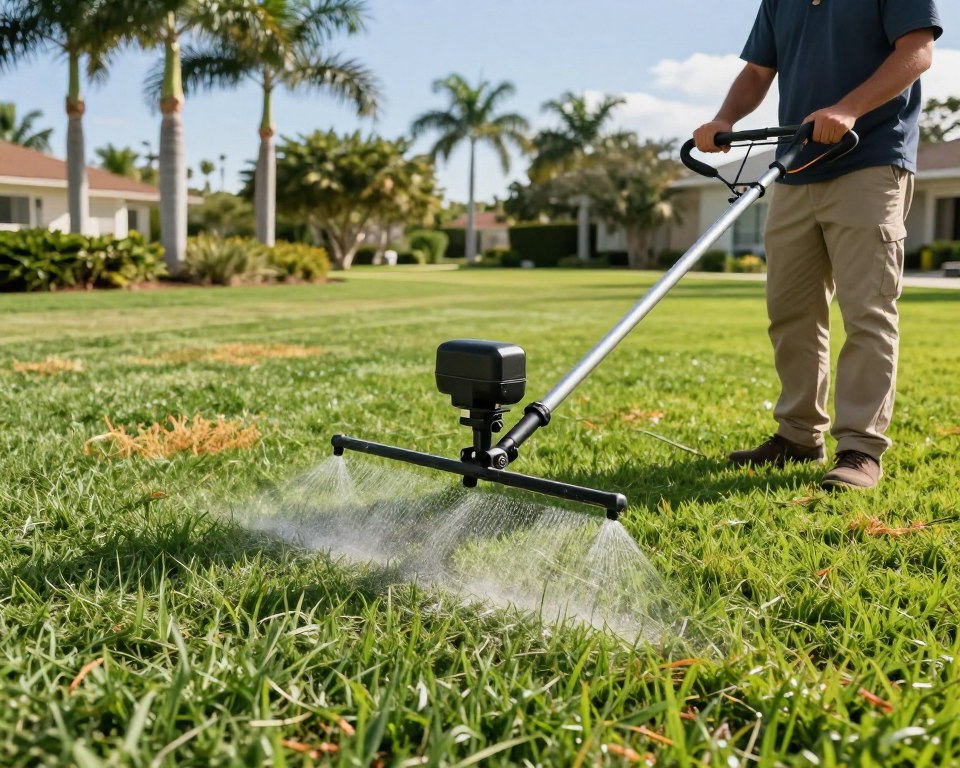
When it comes to a thriving lawn, timing is everything. How do you decide whether to fertilize before or after rain? This decision can mean the difference between a vibrant, healthy yard and a soggy, nutrient‑lost mess. In this guide, we’ll break down the science, share expert tips, and give you a clear roadmap to fertilize at the perfect time.
Why Timing Matters for Lawn Fertilization
Fertilizers deliver nitrogen, phosphorus, and potassium—nutrients that grass needs to grow. However, rain can either wash these nutrients into the soil or leave them on the surface where they may burn the grass.
Choosing the right moment ensures that nutrients penetrate the soil, reduce leaching, and avoid toxicity. It also helps prevent waterborne nutrient runoff, protecting local waterways.
Understanding Soil Hydration and Fertilizer Uptake
How Rain Affects Soil Moisture
Rain increases soil moisture, which is beneficial for fertilizer absorption. Yet, excessive moisture can dilute nutrients and promote leaching.
When Soil Is Too Dry
Dry soil can cause fertilizer granules to clump, preventing even distribution. Additionally, grass may not absorb nutrients efficiently in the absence of moisture.
Balancing Moisture for Optimal Uptake
Ideally, soil should be moist enough to allow root penetration but not saturated. This balance is key to successful fertilization.
Best Time to Fertilize Before Rain: When It Works
Early Morning Dew or Light Pre‑Rain Conditions
Fertilizing when the lawn is damp from dew or a light drizzle helps the granules dissolve quickly and prevents dust.
Advantages of Pre‑Rain Application
- Reduces dust and airborne nutrient loss.
- Ensures nutrients start moving into the soil before heavier rain.
- Allows grass blades to absorb the nutrients before opening fully during the day.
When Pre‑Rain Timing Can Backfire
Heavy rainfall shortly after fertilizing can wash nutrients off the soil surface, especially if the fertilizer hasn’t fully absorbed.
Best Time to Fertilize After Rain: When It Works
Post‑Rain Soil Conditions
After a moderate rainfall, the soil is already moist, allowing the fertilizer to spread evenly and penetrate quickly.
Advantages of Post‑Rain Application
- Reduces the risk of nutrient runoff.
- Enhanced nutrient availability due to increased microbial activity.
- Less chance of fertilizer burning the grass.
Potential Drawbacks
Immediate rain after application can still lead to leaching if the rain is heavy and the fertilizer is not yet absorbed.
Practical Fertilization Schedule for Different Seasons
Spring: Establish a Baseline
Apply a balanced fertilizer in early spring when temperatures rise and grass starts to green up.
Summer: Maintain Growth
Use a nitrogen‑heavy formula mid‑summer, but avoid application during peak heat.
Fall: Prepare for Winter
Apply a high‑phosphorus fertilizer to promote root development before dormancy.
Winter: Spring‑Ready Lawn
In mild winter climates, a light application can keep the lawn green and healthy.
When Weather Forecasts Guide Your Decision
Monitoring the forecast helps you decide between pre‑or post‑rain fertilization.
- Rain predicted within 6 hours: fertilize after rain.
- No rain predicted: fertilize before a short cool mist or early morning dew.
- Heavy rain forecast: delay fertilization until after the storm.
Comparison of Pre‑Rain vs. Post‑Rain Fertilization
| Factor | Pre‑Rain Fertilization | Post‑Rain Fertilization |
|---|---|---|
| Risk of Nutrient Leaching | Higher if heavy rain follows | Lower due to already moist soil |
| Risk of Fertilizer Burning | Lower if soil damp enough | Very low |
| Dust & Airborne Loss | Reduced | Minimal |
| Soil Absorption Rate | Depends on soil moisture | Fast due to pre‑moisture |
| Potential for Runoff | Higher if instant rain | Lower |
Pro Tips for a Perfect Fertilization Routine
- Use a broadcast spreader for even coverage.
- Apply fertilizer at a rate of 1 pound of nitrogen per 1,000 square feet.
- Water lightly after application if no rain is expected.
- Read the fertilizer label for specific timing recommendations.
- Consider using a slow‑release formula to reduce runoff.
- Mulch the lawn with fine grass clippings to help retain moisture.
- Test soil pH every two years to adjust fertilizer choice.
- Keep a weather log to refine your fertilization timing.
Frequently Asked Questions about best time to fertilize lawn before or after rain
1. Is it okay to fertilize my lawn during a light rain?
Yes, a brief light rain can help dissolve fertilizer granules, but heavy rain can wash away nutrients.
2. How long should I wait after rain before fertilizing?
Wait until the lawn is dry enough for the spreader to work; typically 30 minutes to an hour after a short rain.
3. Can over‑fertilizing be avoided by timing?
Proper timing reduces nutrient runoff, but always follow recommended application rates.
4. Does fertilizer burn grass in hot weather?
It can. Fertilize in the early morning or late evening to avoid heat stress.
5. What type of fertilizer is best for post‑rain application?
Slow‑release granules are ideal; they release nutrients gradually and resist leaching.
6. How does soil pH affect fertilizer timing?
Acidic soils (<7.0) may need lime before fertilization to improve nutrient uptake.
7. Should I water after fertilizing if it’s sunny?
Light watering helps dissolve granules but avoid excessive water that causes leaching.
8. Can fertilizer run off into nearby water bodies?
Yes, especially if applied before heavy rain or on steep slopes; use erosion control mulch.
9. Is there a difference between synthetic and organic fertilizers?
Organic fertilizers release nutrients slowly and improve soil structure, while synthetic provide quick nutrient spikes.
10. How often should I fertilize my lawn?
Generally 4–6 times a year, depending on grass type and climate.
Choosing the best time to fertilize lawn before or after rain is about protecting your grass and the environment. By understanding soil moisture, weather patterns, and the characteristics of your fertilizer, you can ensure nutrients stay where they belong—deep in the soil roots that feed a healthy lawn. Use these strategies, keep a simple schedule, and watch your yard thrive year after year.

