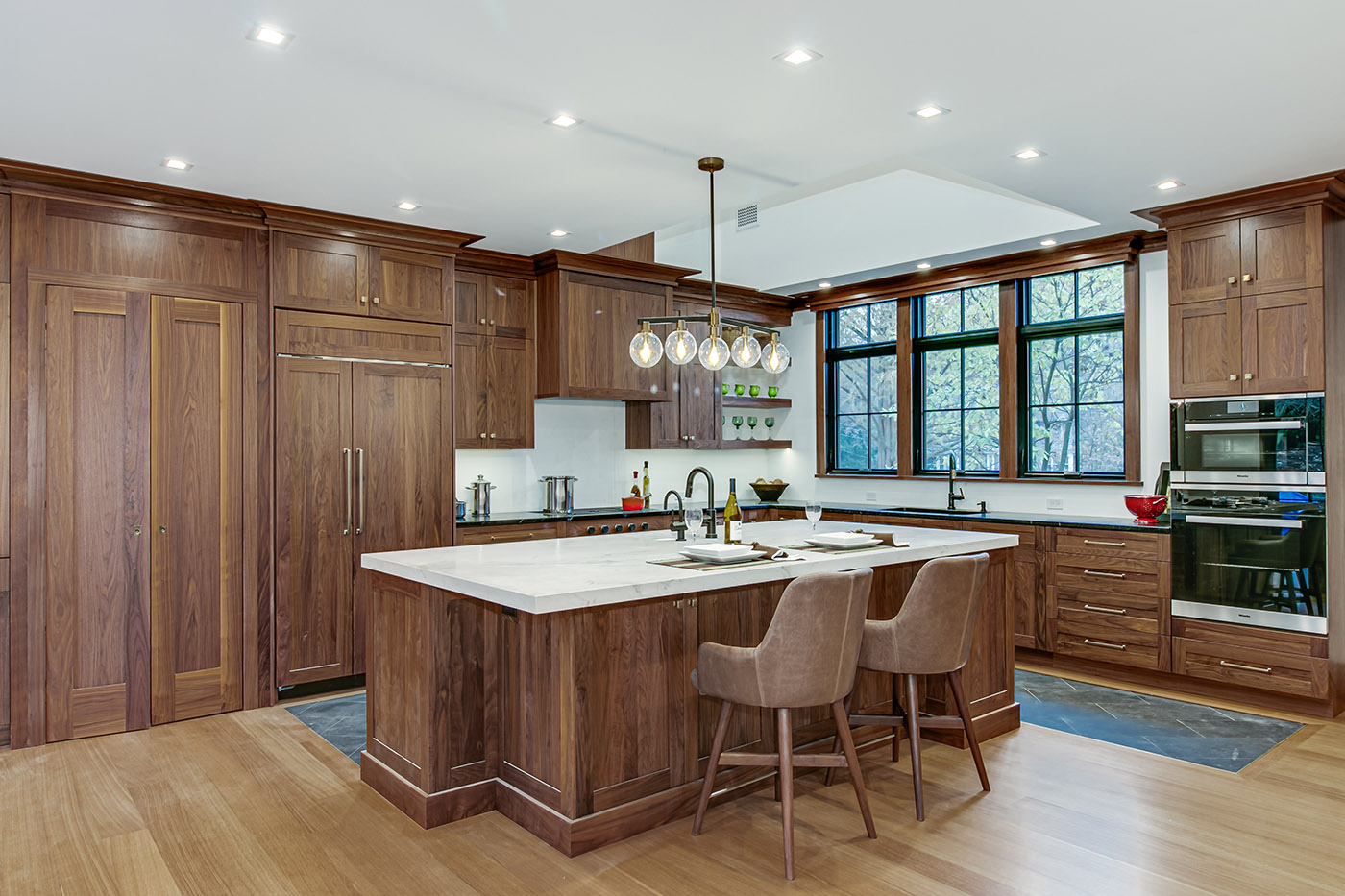
Choosing the right wood for your kitchen cabinets is one of the most important decisions in any remodel. The right material can elevate your space, protect your investment, and even boost your home’s resale value. In this guide, we’ll explore the best wood for kitchen cabinets, weighing durability, cost, and style so you can make an informed choice.
Whether you’re building a brand‑new kitchen or updating an old one, the wood you select will define the look and feel of the room for decades. Let’s dive into the top options and see which one fits your needs best.
The Classic Options: Oak, Maple, and Walnut
Oak: The Durable Workhorse
Oak is a long‑standing favorite for kitchen cabinets. Its tight grain and natural strength resist wear and chipping. Oak also accepts stains well, giving you flexibility in finish choices.
Because of its density, oak can be heavier than other woods, so consider the overall cabinet weight when planning your layout.
Maple: Sleek, Strong, and Affordable
Maple offers a smooth, uniform grain that works beautifully with both modern and traditional designs. It’s also less expensive than some premium woods, making it a smart value choice.
Maple’s light color makes it easy to brighten a kitchen with paint or stain, giving you a fresh look.
Walnut: Luxury with Depth
Walnut’s rich, dark tones add instant sophistication. Its fine grain patterns create a subtle visual interest that pairs well with high‑end fixtures.
Walnut cabinet makers often use a satin or semi‑gloss finish to protect the surface while showcasing its natural beauty.
Light‑Colored Woods: Pine, Birch, and Poplar
Pine: Rustic Charm on a Budget
Pine is a softwood that offers a distinctive grain pattern and a warm, inviting feel. It’s one of the most affordable options for cabinet construction.
Because it’s softer, pine scratches more easily; a high‑quality laminate or veneer can help mitigate wear.
Birch: Versatile and Durable
Birch provides a clean, light backdrop that absorbs paint well. It’s less prone to warping than pine, making it reliable for humid kitchens.
When finished, birch cabinets look modern yet timeless, especially with matte or semi‑gloss coatings.
Poplar: Neutral Base for Customization
Poplar’s mild grain and light color are perfect for cabinets that will be painted. It’s easy to work with and resists cracking.
Poplar is often chosen for its low cost and smooth finish, ideal for a DIY cabinet project.
Premium Woods: Cherry, Mahogany, and Acacia
Cherry: Warmth that Ages Gracefully
Cherry wood darkens over time, developing a rich patina that adds character. It’s dense, so cabinets hold up against daily use.
Cherry’s natural oils give a subtle sheen, which is often enhanced with a satin finish.
Mahogany: Classic Elegance
Mahogany is prized for its deep reddish tone and smooth grain. It resists moisture and rot, making it a favorite for long‑lasting cabinets.
Be aware that mahogany can be more expensive and may require special care to preserve its color over time.
Acacia: Exotic and Sustainable
Acacia features a distinctive grain and a warm, reddish hue. It’s a sustainable choice, harvested responsibly in many regions.
Acacia cabinets can be highly durable, especially when protected with a clear topcoat.
While the above options are popular, other factors like finish, cost, and environmental impact also influence your final choice. Let’s compare them in a handy table.
Wood Comparison Table
| Wood | Durability | Cost (per sq ft) | Finish Options | Best Style |
|---|---|---|---|---|
| Oak | High | $8–12 | Stain, paint, varnish | Traditional, farmhouse |
| Maple | Medium–High | $7–10 | Stain, paint, lacquer | Modern, minimalist |
| Walnut | High | $12–18 | Semi‑gloss, satin, oil | Luxury, contemporary |
| Pine | Low–Medium | $4–6 | Lacquer, powder coat, paint | Rustic, farmhouse |
| Birch | Medium | $6–9 | Matte, semi‑gloss, stain | Modern, transitional |
| Poplar | Medium | $5–7 | Paint, epoxy, matte | DIY, contemporary |
| Cherry | High | $10–15 | Oil, satin, clear coat | Classic, modern |
| Mahogany | Very High | $13–20 | Oil, satin, lacquer | Traditional, high‑end |
| Acacia | High | $9–14 | Clear, satin, oil | Exotic, modern |
Expert Pro Tips for Selecting and Maintaining Cabinet Wood
- Match Wood to Kitchen Humidity: In damp kitchens, choose rot‑resistant woods like mahogany or treated maple.
- Consider Finish Longevity: A high‑quality laminate can protect softer woods like pine from scratches.
- Plan for Color Changes: Woods like cherry darken over time; test a small sample before committing.
- Use Proper Sealants: For moisture‑prone areas, apply a water‑based polyurethane to prevent moisture damage.
- Check for Sustainability: Look for FSC or PEFC certification to ensure responsible sourcing.
- Don’t Ignore Cabinet Weight: Heavier woods require sturdier hinges and support.
- Choose the Right Joinery: Dovetail or mortise‑tenon joints add strength to premium woods.
- Regular Maintenance: Clean with mild soap and water; avoid harsh chemicals that can strip finishes.
Frequently Asked Questions about best wood for kitchen cabinets
What is the most durable wood for kitchen cabinets?
Oak and walnut rank highest for durability. They resist dents, scratches, and moisture, making them ideal for high‑traffic kitchens.
Which wood is best for a rustic kitchen style?
Pine and oak work well for rustic designs. Pine offers warm grain, while oak provides a robust, traditional look.
Can I paint any type of wood cabinet?
Yes, most cabinet woods accept paint. However, softer woods like pine may need a primer for better adhesion.
Is walnut suitable for a modern kitchen?
Walnut’s sleek grain and dark tone complement modern kitchens, especially when finished with a matte or satin coat.
How does price vary between walnut and maple?
Walnut typically costs 30–50% more per square foot than maple due to its premium status and selective sourcing.
What wood is best for a low‑budget kitchen remodel?
Poplar and pine offer affordable options while still providing a solid base for paint or laminate finishes.
Do exotic woods require special care?
Yes, woods like acacia or mahogany may need oil-based finishes and regular conditioning to preserve their color and grain.
Can I use recycled wood for cabinets?
Reclaimed or recycled wood can be used, but ensure it is properly treated and free from rot or pests before installation.
Is it worth investing in high‑quality wood for cabinets?
High‑quality wood often lasts longer, maintains its appearance, and can increase home resale value, making it a worthwhile investment.
What maintenance is required for wooden cabinets?
Regular cleaning with mild soap, occasional re‑finish, and prompt repair of chips or scratches will keep cabinets looking new.
Choosing the best wood for kitchen cabinets involves balancing aesthetics, performance, and budget. By evaluating the options above, you can pinpoint the material that aligns with your style and functional needs. Start by prioritizing durability and finish compatibility, and consider your kitchen’s climate and traffic patterns.
Ready to bring your dream kitchen to life? Contact a local cabinet specialist or start researching reputable suppliers today. Your future self will thank you for the timeless beauty and resilience of a well‑chosen wood cabinet.

