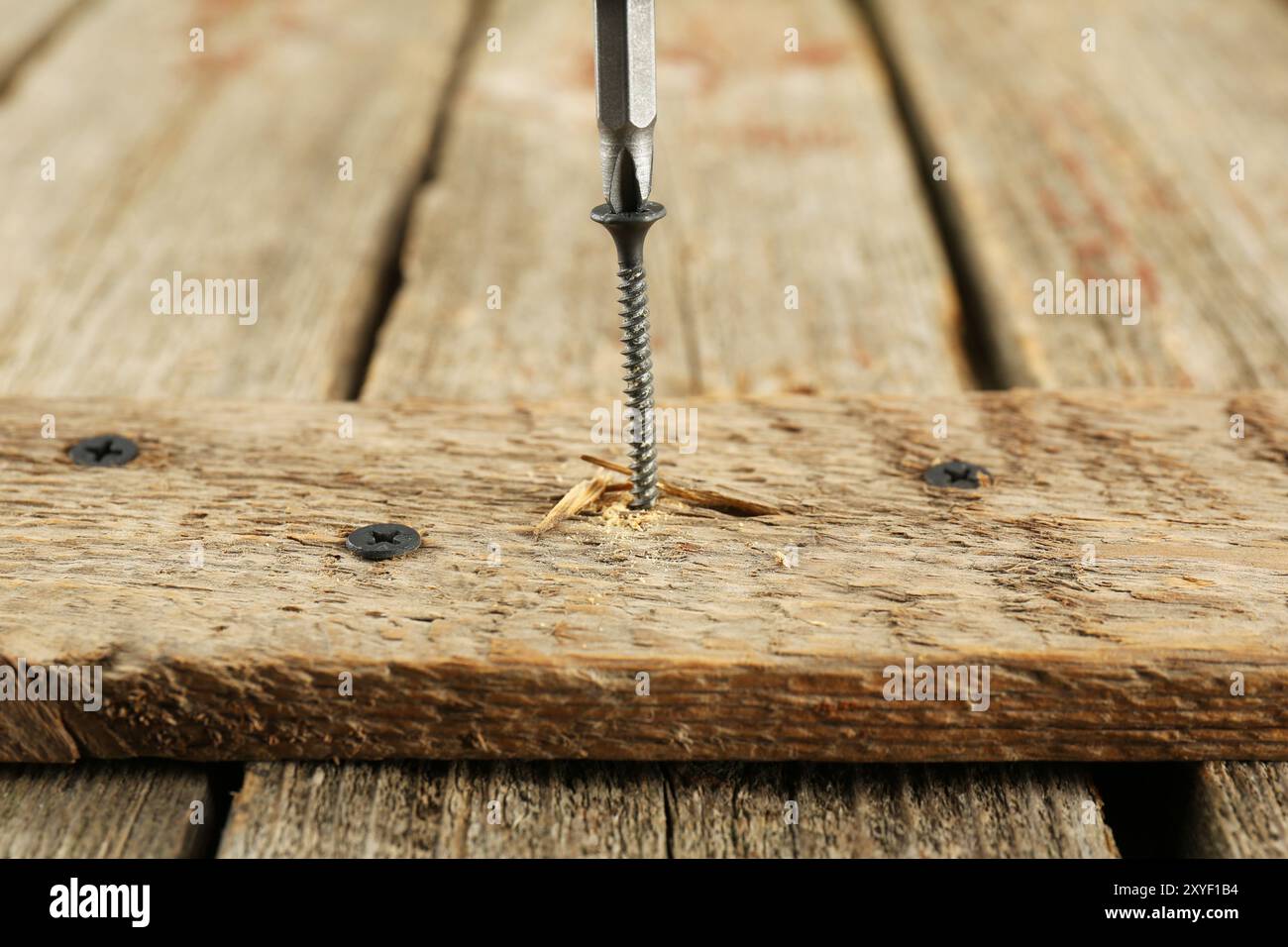
When you’re building a custom piece of furniture or repairing a wooden frame with metal hardware, choosing the right adhesive is essential. The “best glue for metal to wood” must bridge two very different materials: the rigidity of metal and the porous nature of wood. A poor choice can lead to weak bonds, warped joints, or visible glue lines that ruin the finish.
In this guide we break down the top glue options, explain how each performs under load, and give you step‑by‑step instructions so you can finish your project with confidence. We’ll also compare key features, present expert pro tips, and answer the most common questions you’ll have when pairing metal with wood.
Why the Right Glue Matters When Bonding Metal to Wood
Metal and wood react differently to moisture, temperature, and force. Wood expands and contracts, while metal stays dimensionally stable. If the adhesive can’t accommodate these movements, the bond may crack or fail.
Moreover, the surface chemistry of metal—often coated, rusted, or painted—requires a specific adhesive that can penetrate or bond to that surface. Choosing the wrong glue not only weakens the joint but can also damage the materials.
Understanding the science behind the bond helps you pick the best glue for metal to wood and ensures a durable, long‑lasting result.
Top Glue Types for Metal‑to‑Wood Joints
1. Polyurethane Adhesive – The All‑Purpose Champion
Polyurethane (PU) glue is known for its flexibility, high strength, and resistance to moisture. It cures to a tough, rubbery finish that can absorb movement between metal and wood.
PU adhesives bond well to unpainted metal surfaces and wet wood, making them ideal for outdoor projects or items exposed to humidity.
However, PU requires a primer on painted metal and can be messy to work with. It also takes longer to cure—up to 24 hours for full strength.
2. Epoxy Resin – The Heavy‑Duty Powerhouse
Two‑part epoxy provides an exceptionally strong bond, especially for structural joints where both materials need maximum load capacity.
Its high adhesion to metal and wood, combined with excellent resistance to heat and chemicals, makes it perfect for industrial or automotive repairs.
Epoxy is, however, less flexible than PU and can crack if the joint is exposed to significant movement or temperature changes.
3. Acrylic (Polyurethane/Polyvinyl Acetate) – The Quick‑Dry Choice
Acrylic adhesives, such as PVA or a polyurethane blend, offer fast drying times and easy cleanup. They are ideal for crafting, small repairs, or projects that need a quick turnaround.
These glues work best on smooth metal surfaces and dry wood. They may not withstand high‑stress environments, but they’re excellent for light decorative work.
4. Construction Adhesive – The Budget-Friendly Option
Construction adhesive, often a polyurethane or acrylic-based product, is widely available and affordable. It can bond metal to wood in a single application and has decent moisture resistance.
It may not achieve the same structural strength as epoxy, but for non‑load bearing joints, it’s a solid choice.
5. Metal‑Specific Adhesive (MMA) – The Industrial Solution
MMA (methyl methacrylate) adhesives are engineered for metal bonding. They create a near‑metal‑to‑metal bond, which can translate well to metal‑to‑wood when the metal is a primary load‑bearing element.
These adhesives cure quickly and provide excellent impact strength. They’re commonly used in aerospace and heavy machinery repairs.
6. Silicone Adhesive – The Flexible Sealant
Silicone glue is prized for its exceptional flexibility and sealant properties. It can bond metal to wood while maintaining a seal against moisture.
Its low adhesive strength is a drawback for structural joints, but it’s perfect for sealing gaps, mounting fixtures, or creating a weather‑proof seal.
7. Cyanoacrylate (Super Glue) – The Instant Fix
Super glue offers the fastest bonding time. It works well on small, non‑structural connections where the joint won’t be subjected to significant force.
Cyanoacrylate bonds metal to wood quickly, but it’s brittle and may fail under stress or impact. It’s best for decorative or temporary fixes.
How to Prepare Surfaces for the Best Glue for Metal to Wood
Clean Thoroughly
Remove all dirt, oil, and rust from the metal. Use sandpaper, a wire brush, or a chemical cleaner depending on the finish.
For wood, sand the area to create a rougher surface that promotes mechanical bonding.
Prime When Needed
Some adhesives, especially polyurethane and epoxy, require a primer on painted or coated metal to improve adhesion.
Prime the wood with a compatible wood primer or sealant if the glue has poor wetting properties.
Dry the Surfaces
Ensure both metal and wood are completely dry before applying glue. Moisture can weaken the bond or create a weak spot.
Step‑by‑Step Application for the Most Common Glue Types
Using Polyurethane Adhesive
1. Apply a thin layer of polyurethane on the metal surface.
2. Press the metal firmly against the wood and clamp for 30 minutes.
3. Wipe excess glue with a damp cloth before it cures.
Using Epoxy Resin
1. Mix the resin and hardener in a 1:1 ratio per instructions.
2. Spread the mixture evenly on the joint.
3. Clamp tightly and allow 24 hours for full cure.
Using Acrylic Adhesive
1. Apply a generous amount to the metal.
2. Press onto wood, smoothing out any air bubbles.
3. Let it dry for 1–2 hours; it’s ready to use.
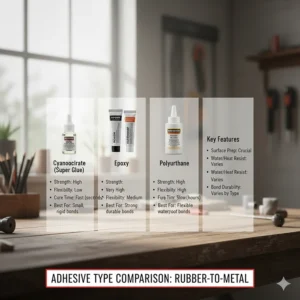
Comparison Table: Glue Performance Metrics
| Glue Type | Bond Strength (MPa) | Flexibility | Moisture Resistance | Best Use Case |
|---|---|---|---|---|
| Polyurethane | 12–15 | High | Excellent | Outdoor, structural joints |
| Epoxy | 25–30 | Low | Excellent | Heavy load, industrial |
| Acrylic (PVA) | 4–6 | Medium | Good | Crafting, light repairs |
| Construction Adhesive | 8–10 | Medium | Good | Non‑structural, budget |
| MMA | 35–40 | Low | Excellent | Aerospace, high impact |
| Silicone | 2–3 | Very High | Excellent | Sealing, flexible joints |
| Cyanoacrylate | 5–7 | Low | Fair | Quick fixes, decorative |
Pro Tips for a Strong Metal‑to‑Wood Bond
- Use a primer on painted metal. This ensures the adhesive can wet the surface properly.
- Clamp firmly. A clamping force of at least 10–15% of the expected load maximizes contact area.
- Apply a small amount. Excess glue can squeeze out, weakening the joint and creating a mess.
- Test a small area first. Verify that the adhesive bonds well before committing to the full project.
- Allow full cure time. Even if the glue feels dry, waiting the recommended cure time guarantees maximum strength.
- Seal exposed edges. Use silicone or a waterproof sealant to protect the joint from moisture.
- Choose the right glue based on environmental conditions. For outdoor use, prioritize moisture and temperature resistance.
Frequently Asked Questions about best glue for metal to wood
What is the most durable glue for metal to wood?
Epoxy resin offers the highest bond strength and durability, especially for high‑load or structural applications.
Can I use wood glue on metal?
Standard wood glue (PVA) works best on unpainted, smooth metal surfaces, but it’s not ideal for heavy duty or outdoor projects.
Does polyurethane need a primer on metal?
Yes, if the metal is painted or coated, a primer improves adhesion and prevents the glue from lifting.
Will silicone glue hold a heavy metal plate to wood?
No, silicone is best for flexible, sealant jobs. For load-bearing joints, use epoxy or polyurethane.
Can I use construction adhesive for a metal to wood furniture joint?
Yes, for non‑structural joints it provides a convenient, budget‑friendly option.
What curing time should I expect for polyurethane?
Initial tack sets in 15–30 minutes; full cure takes 24 hours for maximum strength.
Is cyanoacrylate suitable for outdoor use?
It’s not recommended for outdoor joints due to poor moisture resistance and brittleness.
Can I sand the joint after applying epoxy?
Only after the epoxy has cured fully. Sanding early can disturb the bond and void the joint.
What safety gear should I wear when working with epoxy?
Wear gloves, eye protection, and work in a well‑ventilated area to avoid fumes and skin contact.
How do I remove excess epoxy?
Use a plastic scraper immediately after application before the epoxy starts to set. Do not try to remove it after curing.
Choosing the right glue for metal to wood ensures your project is not only beautiful but also structurally sound. By following the steps and tips above, you’ll bond metal and wood with confidence, creating joints that stand the test of time.
Ready to tackle your next DIY or repair project? Grab your favorite adhesive, follow our guide, and enjoy the satisfaction of a perfectly bonded metal‑to‑wood joint.

