
When it comes to renovating a bathroom, one of the most important choices is the material you’ll use for the shower walls. The right choice can transform the space, improve durability, and even save you money in the long run.
In this guide, we’ll explore the best material for shower walls in 2026, compare options side‑by‑side, and give you expert tips to make the right decision. Whether you’re a DIY enthusiast or hiring a contractor, you’ll find actionable advice here.
Let’s dive into the world of shower wall materials and discover which one suits your style, budget, and comfort level.
What Makes a Shower Wall Material Ideal?
Durability and Longevity
Shower walls face constant moisture, temperature changes, and heavy use. A good material resists mold, mildew, and cracking. Look for products rated for high humidity and proven lifetime warranties.
Maintenance Requirements
Some materials need daily scrubbing, while others only require a quick wipe. Consider how much upkeep you’re willing to invest in cleaning and upkeep.
Cost‑Effectiveness
Budget matters. Compare upfront costs, installation fees, and long‑term maintenance expenses. A higher initial price may pay off if the material lasts decades.
Design Flexibility
Modern bathrooms favor sleek lines and bold colors. Choose a material that supports tile overlays, paint, or custom cutouts for a personalized look.
Safety and Comfort
Water‑resistant surfaces reduce slip hazards. Some materials also incorporate antimicrobial agents to keep the shower cleaner.
Top 7 Materials for Shower Walls in 2026
1. Glass Panels
Glass panels offer a clean, modern aesthetic and are highly water‑resistant. They’re available in frosted, clear, or decorative patterns.
Pros: Easy to clean, reflective surfaces brighten rooms, and they remain stain‑free.
Cons: More fragile than tile and can be costly for custom cuts or thick panels.
2. Ceramic and Porcelain Tiles
Tiles are a classic choice. Porcelain tiles are denser and less porous than ceramic, making them ideal for high‑humidity areas.
Pros: Wide color range, easy to replace, and can be glued directly to waterproof drywall.
Cons: Installation can be meticulous; grout lines may trap grime.
3. Acrylic Shower Walls
Acrylic is lightweight, mold‑resistant, and comes in pre‑cut panels. It’s popular for prefabricated shower kits.
Pros: Quick installation, budget‑friendly, and can be painted to match décor.
Cons: Less durable than stone; scratches can show over time.
4. Natural Stone (Marble, Granite, Slate)
Stone gives a luxurious feel. Marble offers elegance, granite adds strength, and slate offers natural texture.
Pros: Durable, heat‑resistant, and unique veining.
Cons: Requires sealing, high cost, and can be heavy.
5. Waterproof Paint (e.g., EZ Peel, Sika)
Specialized paint mixes create a seamless, washable surface. It’s great for small showers or budget remodels.
Pros: One‑coat solution, no grout, and can be tinted.
Cons: Requires a waterproof primer, can chip if not applied correctly.
6. Laminated Stone Veneer
Thin sheets mimic real stone but are lightweight. They’re available in various finishes and can be glued or screwed onto studs.
Pros: Affordable, easy to install, and less weight on the frame.
Cons: Susceptible to water damage if seams are not sealed properly.
7. Fiber Cement Board (Kenmore, LP Cement)
Fiber cement is strong, fire‑resistant, and naturally waterproof when sealed. It’s often used in high‑end bathrooms.
Pros: Durable, mold‑resistant, and can be painted or tiled over.
Cons: Requires a skilled hand for cutting and finishing.
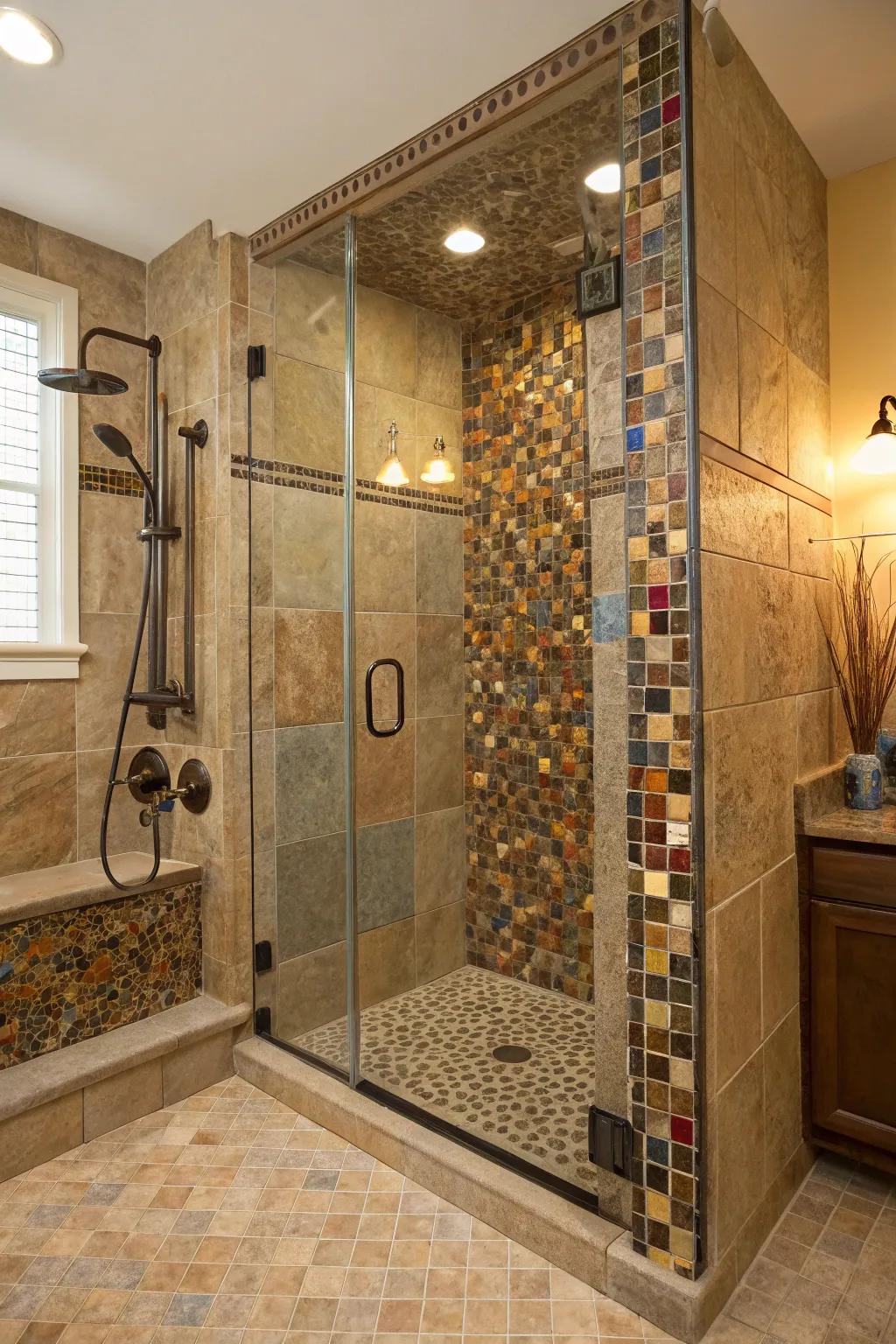
Data Table: Material Comparison for Shower Walls
| Material | Cost per Sq Ft | Installation Time | Maintenance | Longevity (Years) |
|---|---|---|---|---|
| Glass Panels | $20–$40 | 4–6 hrs | Weekly wipe | 20–25 |
| Porcelain Tile | $10–$25 | 8–12 hrs | Monthly grout cleaning | 25–30 |
| Acrylic Panels | $8–$15 | 3–5 hrs | Weekly wipe | 10–15 |
| Natural Stone | $25–$50 | 6–10 hrs | Quarterly sealing | 30–40 |
| Waterproof Paint | $3–$7 | 3–4 hrs | Monthly wipe | 10–12 |
| Laminated Veneer | $12–$20 | 4–6 hrs | Quarterly sealing | 15–20 |
| Fiber Cement | $15–$25 | 6–8 hrs | Annual inspection | 25–35 |
Pro Tips for Choosing and Installing Shower Walls
- Measure Precisely – Small miscalculations lead to wasted material and extra cost.
- Use a Waterproof Backer Board – Regardless of material, a cementitious board prevents moisture infiltration.
- Seal Every Joint – For stone or laminate, use silicone or sealant to block seepage.
- Consider Drain Placement – Plan the shower pan or base before finalizing wall material.
- Test a Sample – Especially for paint, apply a small area first to ensure color and finish meet expectations.
- Apply a Protective Coating – For acrylic or natural stone, a breathable sealer extends life.
- Ventilate the Bathroom – Proper ventilation reduces condensation and mildew.
- Hire a Professional – For complex stone or glass installations, expertise saves time and avoids costly mistakes.
Frequently Asked Questions about Best Material for Shower Walls
What is the most durable material for shower walls?
Natural stone, especially granite or slate, offers the highest durability. Porcelain tile is also highly resistant to wear and moisture.
Can I paint over tile to create a seamless shower wall?
Yes, but you must remove grout lines first or use a grout‑sealant. Then apply a waterproof primer and a marine‑grade paint.
Is glass a good option for a small shower?
Glass panels are lightweight and reflect light, making small spaces feel larger. However, they can be costly for custom shapes.
How often should I seal natural stone in a shower?
Seal stone every 12–18 months to prevent water absorption and staining.
What is the cheapest way to update shower walls?
Waterproof paint or acrylic panels are the most budget‑friendly options, with low installation costs.
Do I need a waterproof primer before painting my shower walls?
Absolutely. Primer seals the surface and ensures paint adhesion, prolonging the finish’s life.
Can I use regular drywall for shower walls?
No. Drywall is porous and will rot in high humidity. Use a cementitious backer board instead.
What maintenance does acrylic need?
Acrylic surfaces only need a quick weekly wipe. Avoid abrasive cleaners that can scratch the surface.
Is fiber cement board safe for bathrooms?
Fiber cement is fire‑resistant, mold‑resistant, and safe for bathrooms when sealed properly.
Should I consider a hybrid material?
Hybrid options like stone‑vein porcelain tile combine durability with design flexibility, offering the best of both worlds.
Choosing the best material for shower walls doesn’t have to be daunting. With the right information and a clear plan, you can create a bathroom that’s both beautiful and functional. Start by evaluating your needs, budget, and aesthetic goals; then test samples, and finally, bring in a professional if necessary. Your new shower will be a stunning centerpiece for years to come.

