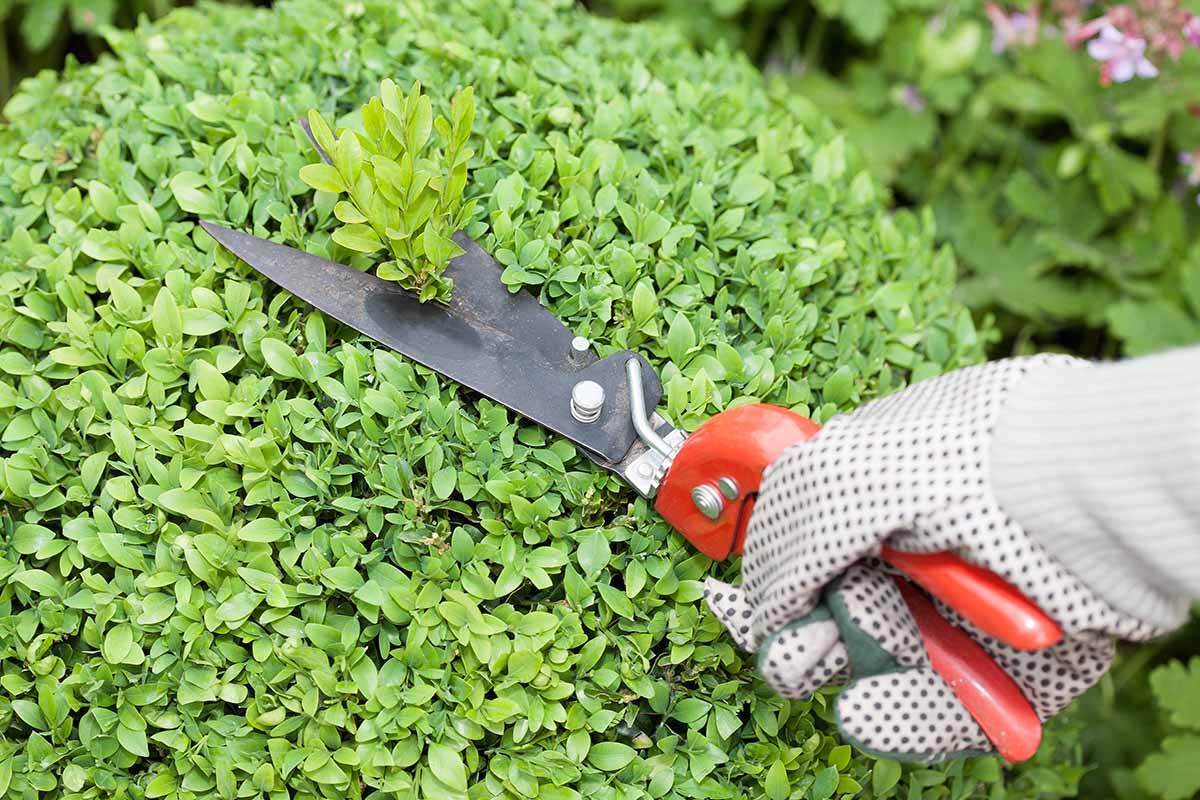
Boxwoods are the evergreen workhorses of the garden. They keep shape, provide privacy, and add a classic touch to any landscape. But to keep them healthy and looking sharp, you must prune them at the right moment. Best time to prune boxwoods is a question that many homeowners ask, and getting it right can mean the difference between a tidy hedge and a stressed plant.
In this guide, you’ll learn when to prune, how often, and the best techniques. By the end, you’ll have a clear schedule and the tools to keep your boxwoods thriving all year long.
Let’s dive into the essential timing and strategies for boxwood pruning.
Understanding the Growth Cycle of Boxwoods
What Drives Boxwood Growth?
Boxwoods grow most actively in late spring and early summer. During this period, new shoots push outward and upward, filling in gaps and creating a dense canopy.
When growth slows in late summer and early fall, the plant shifts its energy into strengthening wood and preparing for winter dormancy.
Recognizing this cycle helps you time your pruning for maximum benefit.
How Seasonal Weather Affects Pruning Success
Cool, dry periods reduce the risk of fungal infections after pruning.
Rainy seasons can cause wounds to stay moist, promoting rot and disease.
Therefore, the ideal pruning window aligns with mild, dry weather to aid quick healing.
Common Misconceptions About Pruning Dates
Many gardeners prune boxwoods in late summer, assuming it’s the only safe time.
However, late summer cuts can stimulate a new growth surge that may not harden before winter.
Pruning too late can leave the plant vulnerable to cold damage.
When Is the Best Time to Prune Boxwoods? Seasonal Breakdown
Late Winter (January to February) – The Prime Pruning Window
In most climates, late winter offers the best combination of dormancy and minimal disease risk.
Leaves are still dormant, and the soil is not yet saturated.
Pruning then stimulates fresh growth that lights up in early spring.
Early Spring (March to April) – A Second Chance
If you miss the late winter window, early spring is the next best choice.
Prune before the first flush of shoots to shape the plant.
Beware of late frosts that can damage new buds.
Avoid Pruning in Late Summer and Fall
Late summer pruning can cause excessive new growth that doesn’t mature before winter.
Pruning in fall leaves the plant weakened when winter arrives.
Stick to winter or early spring for healthiest outcomes.
Pruning Techniques for Different Boxwood Varieties
Traditional Boxwood (Buxus sempervirens)
Use sharp, clean hand pruners for small cuts.
Never trim more than 30% of the plant at once.
Keep the top slightly open to allow light penetration.
Miniature Boxwood (Buxus microphylla ‘Nana’)
These compact varieties tolerate heavier pruning.
Trim to maintain a rounded shape, leaving a small crown visible.
Use scissors or a small lopper for precision.
Frost-Resistant Boxwood (Buxus microphylla)
These are hardy in colder climates.
Prune during late winter when temperatures are consistently above freezing.
Ensure cuts are clean to prevent rot in harsh winters.
Tools and Materials Needed for Boxwood Pruning
High-quality pruning shears or loppers.
Gloves to protect hands from thorns.
Sharp scissors for delicate work.
Clean, sharp disposable blades for hygiene.
Pruning Schedule Table for Boxwood Care
| Season | Optimal Pruning Time | Pruning Actions |
|---|---|---|
| Late Winter (Jan-Feb) | Mid-February | Shape, remove deadwood, thin openings |
| Early Spring (Mar-Apr) | Early March before bud break | Fine-tune shape, reduce size |
| Late Summer (Aug-Sept) | Avoid | Risk of weak growth |
| Fall (Oct-Nov) | Avoid | Leaves plant vulnerable to winter stress |
Expert Pruning Pro Tips
- Use proper blade angle: Cut at a 45° angle to shed water quickly.
- Remove only 20%: Over-pruning can sap plant vigor.
- Disinfect tools: Save a life from fungal spread.
- Mulch after pruning: Retain moisture and reduce weeds.
- Watch for pests: Check for boxwood leafminer larvae before cutting.
- Keep a pruning diary: Track growth and dates for future reference.
- Use a clean cloth: Dry the cut area to prevent infection.
- Prune in sunny weather: Helps cuts dry faster.
Frequently Asked Questions about best time to prune boxwoods
When can I prune my boxwood without damaging it?
Late winter or early spring before new growth starts. Avoid late summer and fall.
Can I prune boxwoods in July?
It’s not ideal. Summer cuts can lead to weak growth that may die back in winter.
How often should I prune boxwoods?
Every 1-2 years for shaping, more often if you need to control size.
Do I need to remove all dead branches?
Yes. Removing deadwood prevents disease and encourages healthy growth.
Can I prune boxwoods without using sharp tools?
Sharp tools reduce damage. Dull blades can cause ragged cuts and rot.
What if I see pests after pruning?
Inspect for insects. Treat with neem oil or insecticidal soap if needed.
Should I prune boxwoods if they’re overgrown?
Yes, but trim gradually over a few seasons to avoid shock.
Can I prune boxwoods at any time with the right tools?
Timing matters more than tools. Late winter or early spring is best.
What’s the difference between shaping and thinning?
Shaping cuts the plant’s outline; thinning removes overcrowded branches.
Do I need a professional for pruning large boxwood hedges?
Small hedges can be DIY; large ones may benefit from expert care.
Conclusion
Knowing the best time to prune boxwoods empowers you to keep your shrubs healthy and elegant. Prune in late winter or early spring, use clean tools, and shape gently. Follow these steps and watch your boxwoods flourish year after year.
Start your pruning routine today, and transform your garden into a living masterpiece. For more landscaping tips, visit our gardening resources or contact a local horticulturist.

