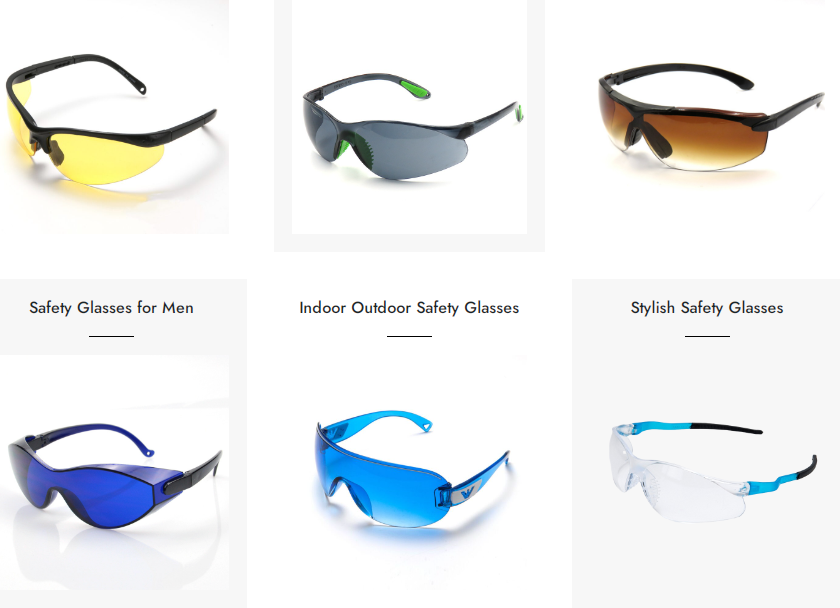
When you’re working in a workshop, lab, or outdoors, fogged‑up goggles can turn a simple task into a hazardous one. That is why finding the best anti fog safety glasses is essential for anyone who values safety and comfort. In this guide, we’ll dive deep into the features that set top models apart, compare the leading options, and share expert tips to keep your vision crystal‑clear.
We’ll cover everything from the science behind anti‑fog coatings to real‑world performance in high‑humidity and high‑temperature environments. By the end, you’ll know which pair to choose for welding, automotive repair, or even hiking.
Understanding the Science Behind Anti‑Fog Coatings
How Anti‑Fog Technology Works
Fog forms when water vapor condenses on a surface that is cooler than the surrounding air. Anti‑fog coatings shift the surface energy, causing droplets to spread into a thin, invisible film. This film eliminates the scattering of light that creates a blurry appearance.
Most modern anti‑fog solutions use a hydrophilic layer, which attracts water and spreads it evenly. Some high‑end glasses add a micro‑textured layer to reduce surface tension further.
Common Materials and Their Impact on Clarity
Polycarbonate lenses are lightweight and impact‑resistant, but they can fog more easily than coated glass. An anti‑fog layer on polycarbonate ensures both protection and clarity.
Glass lenses naturally resist fogging but weigh more. Pairing glass with a hydrophilic coating gives you the best of both worlds.
Durability vs. Comfort: Finding the Balance
Coated lenses may scratch more easily, especially on polycarbonate. Look for a scratch‑resistant top coat to preserve clarity over time.
Comfort is also key. Anti‑fog glasses should fit snugly without exerting pressure on the nose or ears, which can cause moisture buildup.
Key Features to Look for in the Best Anti‑Fog Safety Glasses
1. Lens Material and Coating Quality
High‑quality anti‑fog coatings are applied via chemical vapor deposition or spin coating. These processes create a microscopic film that lasts for months.
A thick, evenly applied coating reduces the chance of visible streaks or spots.
2. Frame Design and Ventilation
Ventilated frames allow air to circulate, reducing condensation inside the goggles. Look for frames with strategic baffles or side vents.
Comfortable nose pads and ear loops help maintain a seal, preventing humid air from seeping in.
3. Size and Fit for Various Face Shapes
Wide‑field lenses protect more of the eye and reduce the need to tilt your head. Adjustable nose bridges accommodate different face widths.
Fit tests are essential: a poorly fitting pair can trap moisture and negate anti‑fog benefits.
4. Certification and Safety Standards
Check for ANSI Z87.1 or equivalent certifications. These standards ensure impact resistance and chemical splash protection.
Some models also meet OSHA requirements for workplace safety.
Top 7 Best Anti‑Fog Safety Glasses for Different Needs
Below we rank seven of the best anti‑fog safety glasses on the market. Each pair excels in specific scenarios, from automotive repair to laboratory work.
| Brand & Model | Lens Material | Anti‑Fog Coating | Ventilation | Certifications | Price |
|---|---|---|---|---|---|
| 3M 5110 Safety Glasses | Polycarbonate | Hydrophobic | Yes | ANSI Z87.1 | $18 |
| Oakley Prizm Goggles | Glass | Advanced Hydrophilic | Vent | ANSI Z87.1, OSHA | $80 |
| UVEX Industrial Night Vision | Polycarbonate | Dual‑Layer | Yes | ANSI Z87.1 | $25 |
| Honeywell H8000 | Polycarbonate | Hydrophilic + Scratch‑Resistant | Vent | ANSI Z87.1 | $30 |
| Patriot 4400 Tread | Polycarbonate | Micro‑Textured | Yes | ANSI Z87.1 | $22 |
| JINS Digital Safety | Polycarbonate + Blue‑Light Filter | Hydrophilic + Anti‑Glare | Vent | ANSI Z87.1 | $35 |
| VELCRO SafeGuard | Polycarbonate | Hydrophobic + UV Protection | Vent | ANSI Z87.1 | $28 |
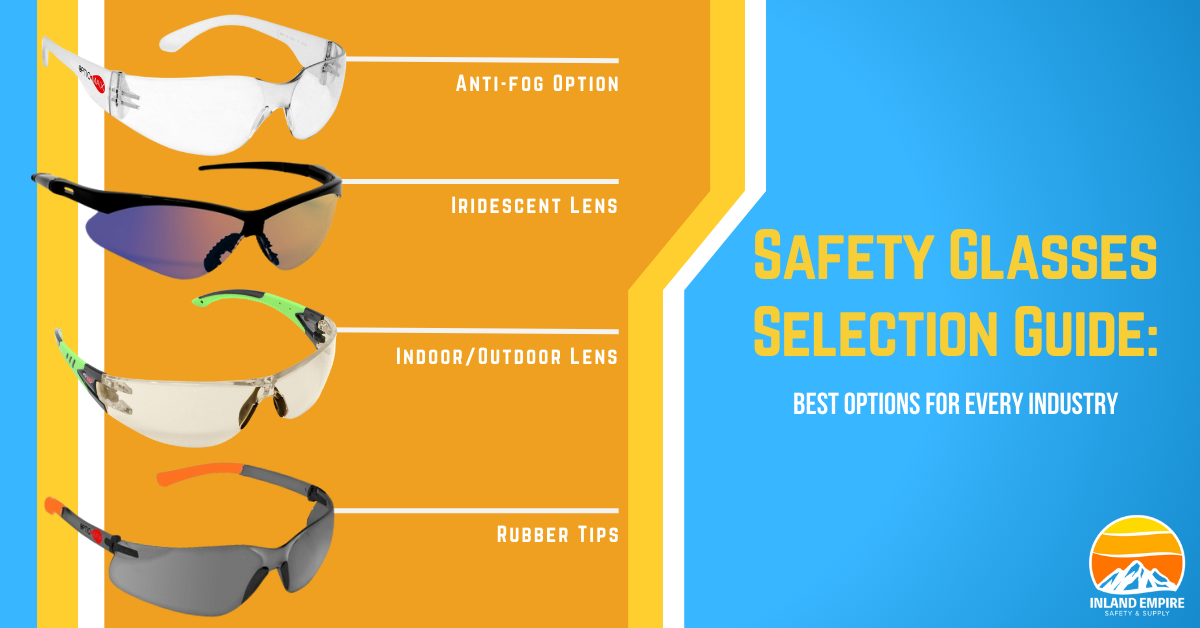
How to Choose the Right Pair for Your Specific Use Case
Automotive and Welding Environments
These settings involve high heat and metallic fumes. Look for glasses with a high‑temperature rating and a hydrophilic coating that resists fogging from hot steam.
Models with adjustable ear loops keep the goggles tight against the face, preventing steam from entering.
Laboratory and Chemical Work
Chemical exposure demands extra durability. Choose frames with anti‑chemical resistance and lenses that won’t degrade under acidic or basic conditions.
Anti‑fog coatings should be resistant to chemical fumes that can otherwise compromise clarity.
Outdoor and Industrial Construction
Dust, spray, and varying temperatures call for sturdy frames and ventilation. Look for frames with a full‑mask design and side vents.
Bright reflective coatings help reduce glare from sunlight, enhancing overall visibility.
Home Improvement and DIY Projects
For hobbyists, affordability and versatility matter. The 3M 5110 is a budget‑friendly option that still offers reliable anti‑fog performance for most DIY tasks.
If you frequently work in humid basements, consider a pair with a hydrophilic coating that performs well at lower temperatures.
Expert Pro Tips for Maintaining Anti‑Fog Glasses
- Clean with the Right Solution: Use a microfiber cloth and a lens cleaner that is alcohol‑free to avoid damaging the anti‑fog layer.
- Store Properly: Keep glasses in a dry case when not in use to prevent moisture buildup.
- Apply a Fresh Coating: If fogging returns, consider professional re‑coating or a DIY anti‑fog spray designed for safety glasses.
- Check Fit Regularly: Tighten or replace nose pads and ear loops to maintain a seal that blocks humid air.
- Use a Ventilated Fitting: Ensure the goggles have side vents or a vented bridge for maximum airflow.
Frequently Asked Questions about best anti fog safety glasses
What makes a safety glass truly anti‑fog?
A genuine anti‑fog coating spreads water into a clear film and resists condensation from heat or moisture.
Can I use anti‑fog spray on my safety glasses?
Yes, but choose a spray rated for safety glasses. Repeated use may wear the coating faster.
Do anti‑fog glasses work in cold temperatures?
They perform best in moderate to warm conditions; extreme cold can still cause some fogging despite the coating.
How long does an anti‑fog coating last?
Typically 6–12 months with proper care, though some high‑end models last up to 18 months.
Are anti‑fog safety glasses available for children?
Yes, many brands offer smaller frames with the same anti‑fog technology suitable for kids.
Can I replace the lenses of my anti‑fog safety glasses?
Most models allow lens replacement if the frame is compatible, but ensure the new lenses have the same anti‑fog coating.
Do anti‑fog safety glasses provide UV protection?
Many do, but check the specifications. Some include UV400 protection as part of the anti‑fog treatment.
What is the difference between hydrophilic and hydrophobic coatings?
Hydrophilic spreads water into a film; hydrophobic repels water, causing it to bead and roll off.
Can I use anti‑fog glasses in a wet workshop?
Yes, but choose a model with a full‑mask design and ventilation to keep moisture out.
Do I need to clean my anti‑fog glasses more often?
Yes, clean them after each use to maintain the coating’s effectiveness.
Conclusion
Choosing the best anti fog safety glasses means understanding both the technology behind the coating and the specific conditions you’ll face. From welding shops to outdoor construction sites, the right pair keeps your vision clear and your work safe.
Take the time to assess your needs, test a few models, and follow our maintenance tips. Your eyes deserve protection that won’t fog up, so invest in a pair that stays crystal‑clear no matter the environment.

